


Featured Summary:
- Africa Finance is witnessing a widening gap between institutional capital flows and startup funding activity
- AfDB, AFC, Afreximbank, and ATIDI are mobilising billions even as venture funding remains under pressure
- Some of Africa’s largest capital movements are increasingly targeting trade systems, infrastructure, guarantees, and financial architecture
- The shift raises a bigger question: has Africa’s capital centre of gravity moved beyond startups
African tech conversations still revolve around startup funding. That may no longer be where the biggest money is moving.
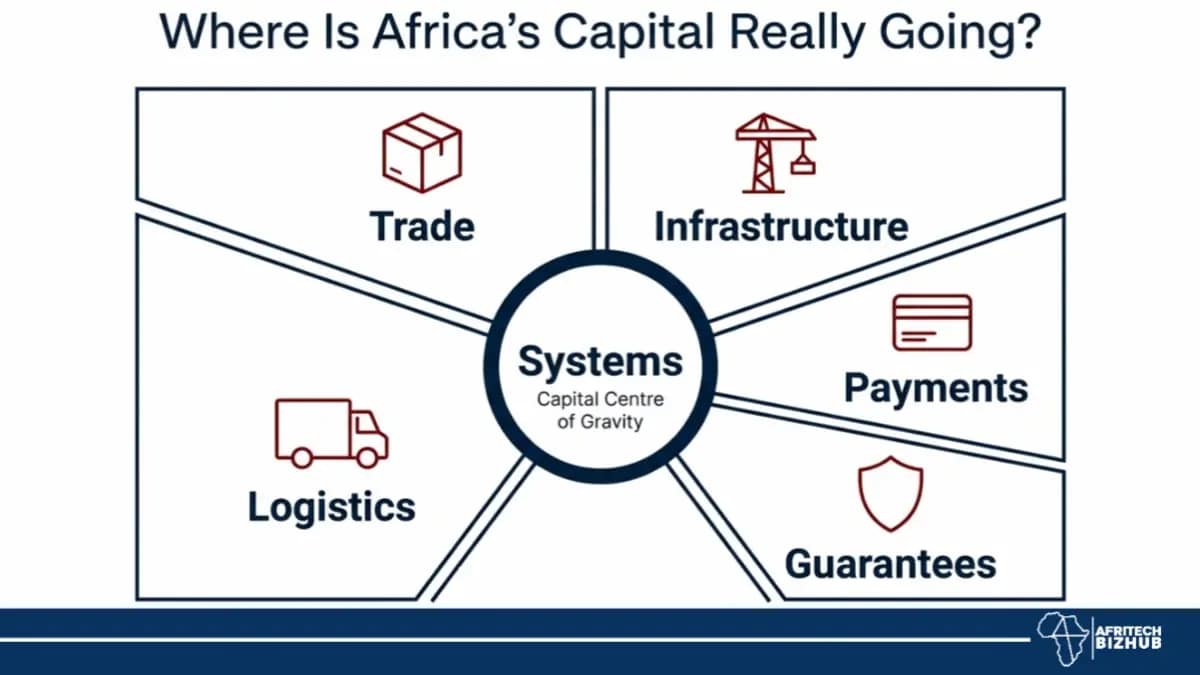
While founders continue navigating a difficult venture-capital environment, Africa’s largest financial institutions are mobilising billions for trade systems, infrastructure, payment rails, guarantees, logistics networks, and industrial corridors.
The capital has not disappeared. It has changed destination.
Is Startup Funding Still the Main Signal in Africa Finance?
For years, startup funding became the loudest measure of African innovation.
Funding rounds shaped headlines. Valuations shaped confidence. Venture capital became the easiest way to judge whether Africa’s digital economy was moving forward.
That signal now looks incomplete.
The largest capital movements are increasingly happening outside startup funding announcements.
AFC recently closed a record $2 billion syndicated facility. AfDB continues raising capital through international bond markets.
Afreximbank is expanding trade-finance capacity, while ATIDI is increasing guarantee support across the continent.
The biggest financing announcements increasingly involve infrastructure, trade systems, guarantees, logistics networks, and financial architecture rather than individual companies.
Capital has not disappeared. It is moving through different channels.
Why Is Capital Flowing Toward Systems Instead of Startups?
The shift becomes easier to understand when you follow where institutions can deploy capital at scale.
A payment rail serves thousands of firms. A logistics corridor supports multiple industries.
A guarantee platform can unlock entire investment pipelines. The same dollar reaches far more of the economy when it moves through systems rather than individual companies.
That scale changes investor behaviour.
Capital is becoming more comfortable funding the foundations of African growth than betting heavily on isolated companies.
The shift does not mean startups no longer matter. It means the systems around them are becoming more valuable.
What Does This Mean for African Founders?
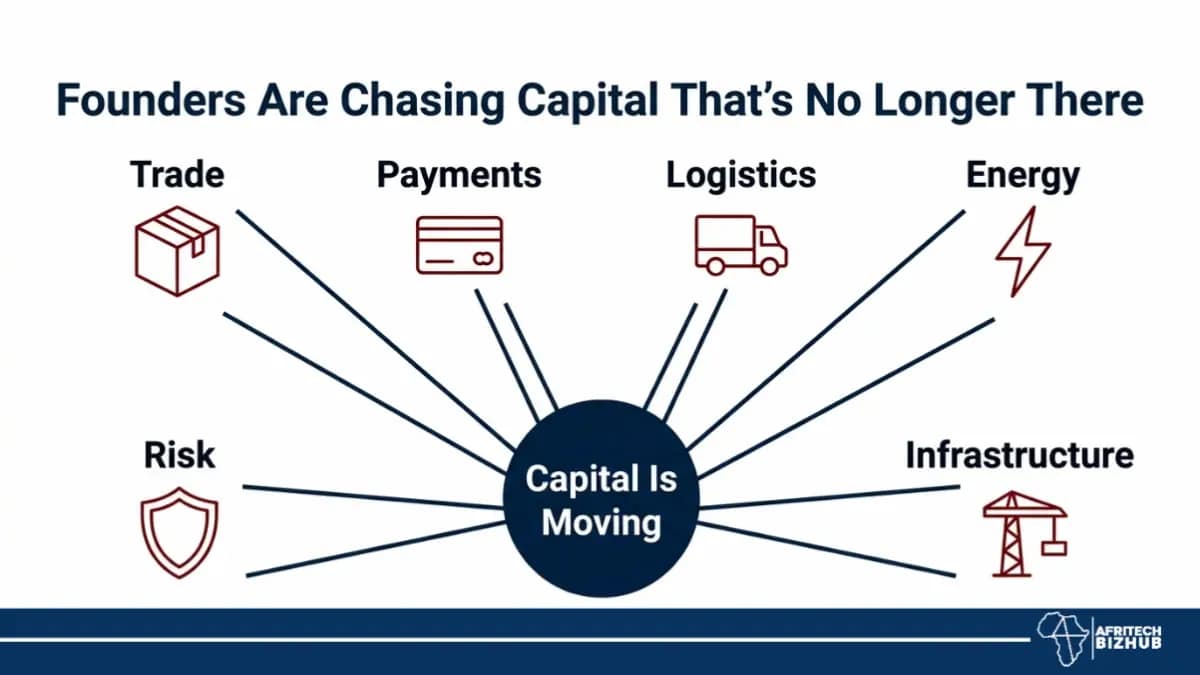
The question for founders is changing. It is no longer only whether they can raise venture capital. It is whether they are building where capital is already moving.
That matters because many of Africa’s biggest financing flows now sit around trade, payments, logistics, energy, infrastructure and risk mitigation.
The implication is uncomfortable.
Some founders are still chasing a venture-capital environment that no longer sits at the centre of Africa Finance.
Meanwhile, institutions are directing billions toward the infrastructure, trade, payments and industrial platforms on which future businesses will depend.
Is Africa Finance Entering a System-Building Era?
The most important capital movement in Africa today may not be happening inside startup funding announcements.
It is happening inside the institutions financing trade, infrastructure, guarantees, payments and industrial systems.
Africa has spent years measuring innovation through startup funding announcements.
The bigger capital story now sits elsewhere.
The institutions mobilising billions for infrastructure, trade, payments, guarantees and industrial systems are increasingly shaping the continent’s economic future.
Capital has not disappeared. Its centre of gravity is moving.


Recent Comments