

Featured Summary:
- Africa currencies are responding differently as dollar pressure shifts
- Nigeria’s naira is holding steadier after FX reforms
- A clearer FX market is improving confidence in Nigerian assets
- High borrowing costs are still holding back business growth and production
PAPSS has reduced the need for dollars and euros in some cross-border African payments by allowing settlement in local currencies, cutting one layer of dollar dependence in regional trade.
Nigeria unified its foreign-exchange market and moved the naira to a market-driven system. FX liquidity and reserves improved after the sharp depreciation that followed the reform, and the currency is now trading with more stability.
Investment has not kept pace with that progress. Borrowing costs remain high, formal credit reaches only a small share of MSMEs, and many businesses still struggle to finance expansion.
The naira now has a more stable market behind it, but stronger production will depend on whether businesses can access enough capital to grow.
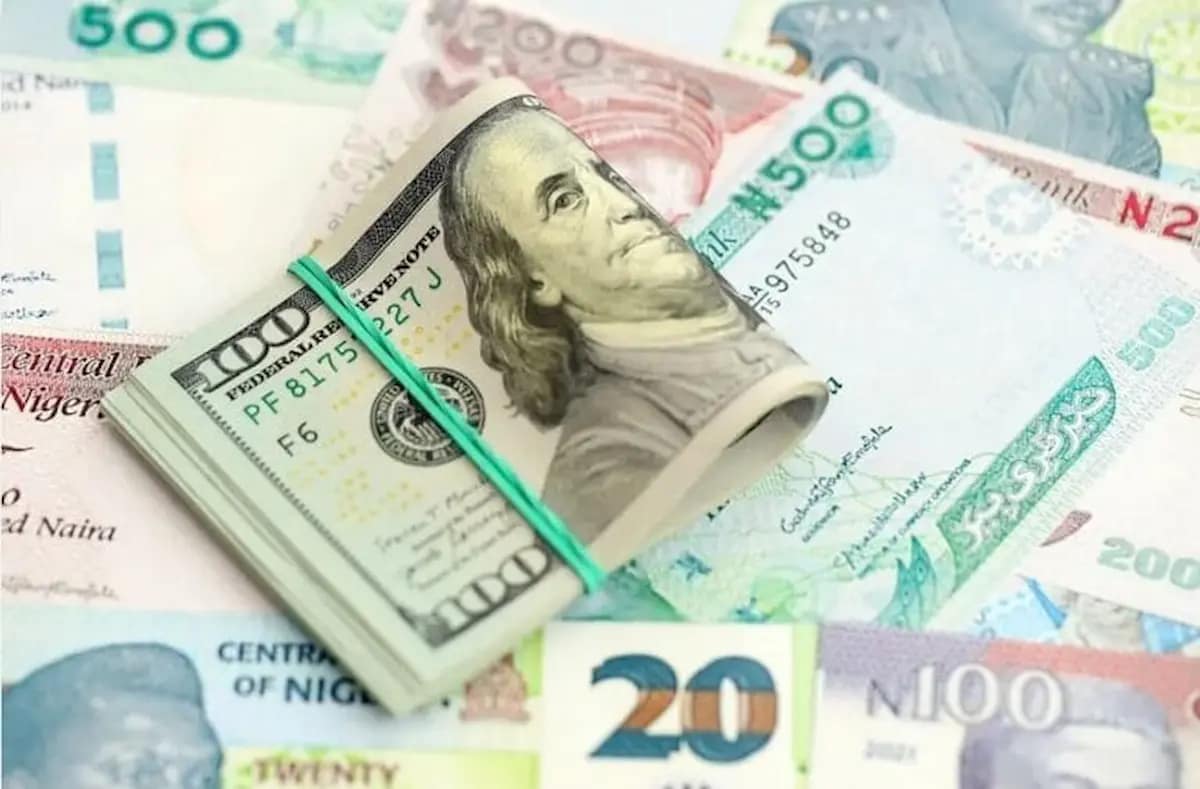
Nigeria’s Naira Is Giving Investors a Clearer FX Market
The gap between Nigeria’s official and parallel exchange rates has narrowed sharply since FX unification, while more dollar transactions are moving through the formal market.
Offshore inflows have returned and foreign reserves have improved, supporting activity in the naira market.
Nigerian bonds and other local assets are now priced against an exchange rate that moves with trading conditions, making dollar returns easier to assess.
The naira can still weaken when market conditions turn. Those adjustments are now reflected more directly in the formal FX market.
Naira Stability Has Not Lowered Nigeria’s Cost of Business
Nigeria’s exchange-rate stability has not brought down borrowing costs for businesses. The Central Bank kept the Monetary Policy Rate at 26.5% in July, while prime lending rates remained above 30% and some commercial loans were priced much higher.
Nigeria has about 39.7 million MSMEs, but fewer than 5% have access to formal bank credit. Their share of total banking-sector lending also remains small.
High rates continue to make inventory, equipment and expansion more expensive to finance. Many firms are still carrying higher operating costs after subsidy removal and the earlier currency adjustment.
Commercial borrowing remains difficult for small businesses even as the FX market has become more orderly.
SME Finance Is Lagging Nigeria’s Economic Growth
Nigeria’s economy grew an estimated 4.0% in 2025, and the IMF projects 4.1% growth in 2026. Agriculture, real estate, ICT, and oil and gas contributed to the expansion, while infrastructure gaps and tight fiscal conditions remain.
The World Bank approved $500 million for FINCLUDE to expand financing available to Nigerian MSMEs.
The African Development Bank followed with a $200 million facility for the Bank of Industry in May 2026, with at least 30% allocated to smaller businesses.
The AfDB funding will support firms across manufacturing, transport, health and other productive sectors. At least $60 million is expected to reach SMEs.
Formal bank credit still reaches only a small share of Nigeria’s MSME sector. Limited access to longer-term funding continues to restrict expansion for many businesses.
Nigeria’s Reform Focus Is Shifting Toward Business Finance
Geopolitical tension is keeping pressure on inflation, energy prices and global capital flows, while the latest U.S. debt moves have already shown how quickly changes in the dollar can reach African currencies.
That matters for Nigeria because the naira is entering this period from a more stable position than during earlier episodes of external pressure.
The currency can still move with global conditions, but the domestic FX market is no longer carrying the same level of distortion that once amplified dollar shortages.
The larger question now sits inside the economy. A stable currency can protect investment returns from sudden exchange-rate swings, but it cannot by itself raise output, expand factories or increase exports.
Nigeria’s position improves further when more capital reaches businesses that can produce locally.
In a world where investors are reassessing markets under persistent geopolitical and dollar pressure, stronger domestic production is what can turn naira stability into a broader economic advantage.


Recent Comments