

Featured Summary:
- U.S. debt pressure is forcing Washington to manage long-term borrowing costs more actively
- A softer dollar is easing pressure on several emerging-market currencies
- Reforms and steadier currencies are improving investment conditions in selected African markets
- Africa’s infrastructure pipeline gives investors more assets to evaluate as capital moves across markets
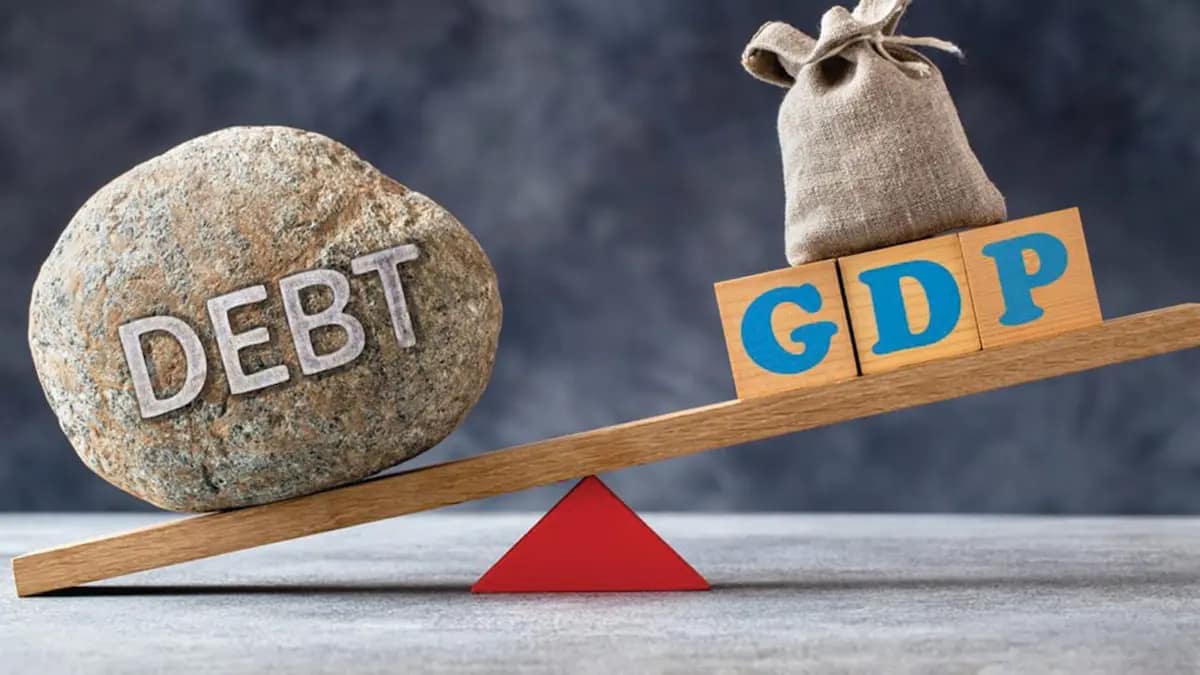
U.S. national debt has crossed $40 trillion, only about five months after passing $39 trillion, putting fresh pressure on a Treasury market already carrying some of the highest long-term borrowing costs in years.
The Treasury has increased purchases of older long-dated bonds after yields climbed sharply across the 10-year and 30-year market. The move pulled yields lower, while the dollar slipped to a three-month low against the euro.
The Federal Reserve remains focused on inflation and is keeping policy restrictive. That leaves the U.S. carrying a larger debt burden while long-term financing costs remain high.
The market response is already visible in emerging economies. The rand strengthened after the Treasury move, while the naira and Kenyan shilling have remained relatively steady.
A softer dollar and lower U.S. yields are giving selected African markets more room to attract global capital.
U.S. Debt Pressure Is Weighing on the Dollar
The dollar weakened after Treasury increased purchases of older long-dated bonds and yields fell from recent highs. The euro rose to a three-month high against the U.S. currency.
Gold and equities advanced, while Bitcoin also moved higher. Several emerging-market currencies strengthened as the dollar lost ground.
Long-term Treasury yields have since moved back up, with investors still weighing inflation, federal borrowing and the supply of new government debt.
The dollar remains below its recent highs, leaving emerging-market currencies with less pressure from U.S. rates than they faced earlier this month.
African Currencies Are Reacting to the Shift in U.S. Yields
South Africa entered the latest U.S. market move with inflation already cooling. July consumer inflation slowed for the first time in five months, while the rand had traded near a five-month high earlier in August.
After the Treasury announcement, the currency held broadly steady as investors assessed the change in U.S. yields.
Nigeria’s naira has remained relatively steady, supported by offshore inflows and improved foreign-exchange liquidity.
Reserves have also strengthened following recent policy changes, giving the market a firmer buffer than it had during earlier periods of currency stress.
Kenya’s shilling has held near 129 to the dollar, while the government is targeting a narrower fiscal deficit over the coming years. Currency stability has remained intact as investors weigh fiscal policy and local returns.
Ghana’s cedi has moved in the opposite direction, remaining under pressure from dollar demand.
The response across African markets is uneven, but South Africa, Nigeria and Kenya are entering the current U.S. rate adjustment with stronger currency conditions than during earlier periods of market stress.
Africa’s Growth Is Increasing Demand for Infrastructure Capital
Sub-Saharan Africa is expected to grow 4.3% in 2026, according to the IMF, after expanding an estimated 4.5% in 2025.
The Fund says recent stabilization gains have carried into this year despite higher fuel and fertilizer costs linked to the Middle East conflict.
The African Development Bank estimates that Africa needs about $184 billion to $221 billion for infrastructure and roughly $400 billion a year for broader structural transformation.
The Bank separately puts annual structural-transformation investment needs at about $495.6 billion through 2030, compared with a financing gap of roughly $402.2 billion under current public spending levels.
The IMF estimates that narrowing part of the structural-reform gap with other emerging markets could lift regional output by as much as 20% over five to ten years.
Africa is still growing while large financing needs remain across infrastructure and industry.
Global Capital Is Looking Beyond U.S. Debt
Global investors are entering a market where capital is being spread across more regions and asset classes than it was when high U.S. yields dominated allocation decisions.
Emerging markets are already back in that conversation, and African economies with steadier currencies and credible reform records are better positioned to compete for part of those flows.
The continent also has a large pipeline of infrastructure and industrial financing needs that can take in long-term capital beyond sovereign debt.
The world is moving forward with a broader investment map. U.S. markets will remain central, but selected African economies now have a stronger place in where global money is being deployed.


Recent Comments