

Featured Summary:
- U.S.-Iran talks remain deadlocked, with oil traffic through Hormuz still below pre-war levels
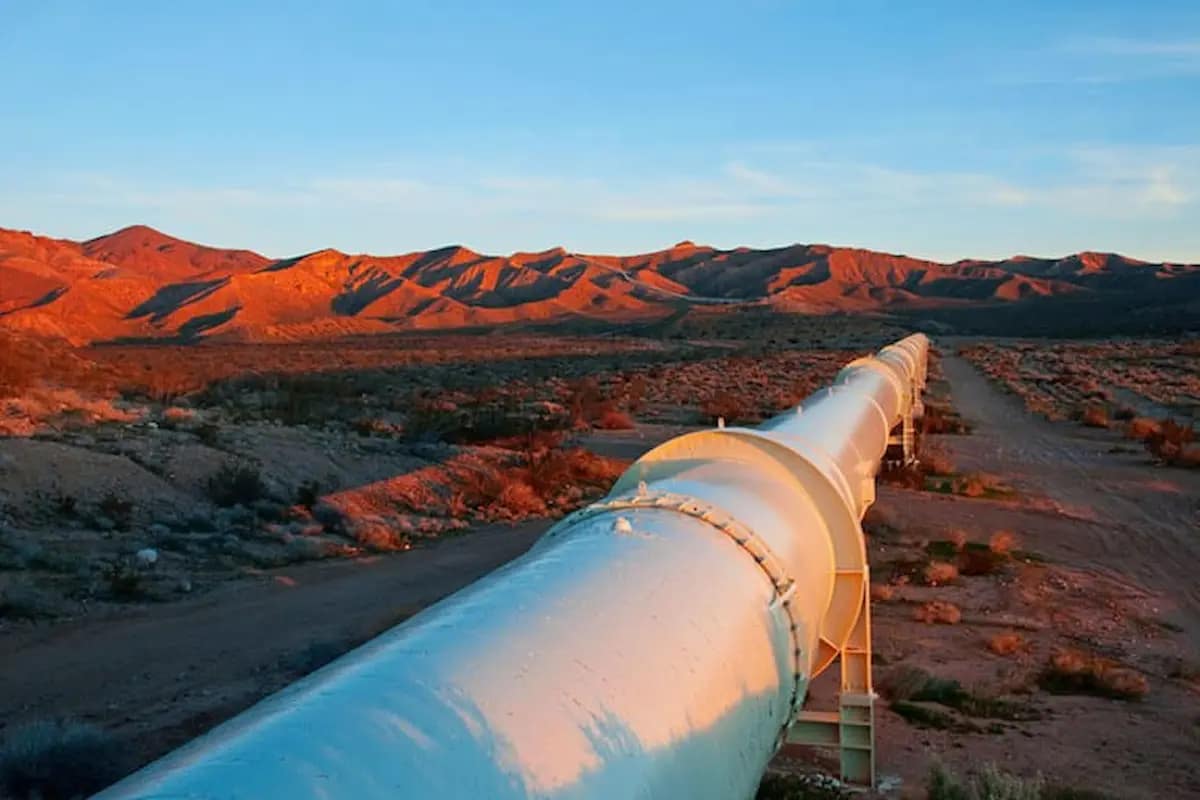
- Saudi crude shipments have resumed through the East-West Pipeline to the Red Sea
- The UAE is adding a second pipeline to its Fujairah export route
- Ship-to-ship oil transfers near Oman rose in September as freight costs climbed
Iran and the United States entered October without an agreement to end the war or restore normal shipping through the Strait of Hormuz.
Tehran proposed reopening the waterway under a seven-day plan that included sanctions relief, but President Donald Trump rejected the offer.
Washington later responded through Qatari mediators. Iranian officials told Reuters that the two sides remained far apart as Tehran prepared for renewed U.S. attacks.
Middle East crude exports rose to 16.3 million barrels a day in September from 13.8 million in August, the highest since the war began.
About 9.7 million bpd passed through Hormuz. Regional exports remained 3.2 million bpd below February levels.
Brent closed at $102.31 a barrel on October 1 after rising more than 4% following reports of additional U.S. military deployments to the Middle East and China’s suspension of fuel exports.
The G7 agreed the following day to release 100 million barrels of diesel and crude from emergency reserves.
Saudi Arabia reopened its East-West Pipeline after an attack halted operations in September.
The line carries crude west to the Red Sea. The UAE continues to send crude from Abu Dhabi to Fujairah on the Gulf of Oman.
Yanbu Is Carrying Saudi Crude Around Hormuz
Saudi Arabia restarted its East-West Pipeline on September 22, eleven days after an attack halted the route, and nearly 10 million barrels were loaded at Yanbu and Al Muajjiz on the Red Sea by September 29.
The system can carry as much as 7 million barrels a day west, with about 5 million bpd available for exports.
Throughput reached an estimated 2 million to 2.65 million bpd following the restart, while Reuters reported that flows could increase to between 3 million and 4 million bpd.
During the shutdown, Saudi Aramco moved more crude through its eastern terminals. Seven very large crude carriers were scheduled to load about 14 million barrels at Ras Tanura around September 20, according to shipping data reviewed by Reuters, while other barrels were sent toward Oman for ship-to-ship transfers.
The UAE Is Adding More Oil Capacity Through Fujairah
The Abu Dhabi Crude Oil Pipeline runs from Habshan to Fujairah on the Gulf of Oman and can carry about 1.8 million barrels a day to the UAE’s eastern coast.
ADNOC is building another line along the route with capacity of about 1.5 million bpd. The project was 50% complete in May, when the company said construction was being accelerated for a planned start in 2027.
ADNOC expects the second line to double its export capacity through Fujairah, where the company already operates crude loading and storage facilities.
Gulf Producers Are Paying More to Keep Crude Moving
Ship-to-ship oil transfers near Oman reached about 2.5 million barrels a day in September, up from roughly 1.4 million bpd in August as more Gulf crude was moved between vessels off the Omani coast.
Freight costs exceeded $30 a barrel on some very large crude carrier shipments using the transfer route, raising transportation costs for buyers receiving those barrels.
Saudi Aramco later considered discounts of as much as $9 a barrel on some Oman cargoes to offset part of the higher shipping bill.
More Gulf Crude Capacity Is Being Built Outside Hormuz
The UAE plans to bring its second pipeline to Fujairah into service in 2027, expanding its crude export infrastructure on the Gulf of Oman as shipping through Hormuz continues to recover.
The U.S. Energy Information Administration expects the recovery in Middle East oil trade to remain gradual, with most regional production and trade flows staying below pre-conflict averages until the second quarter of 2027.
That leaves Gulf exporters entering the coming year with more crude moving outside the Strait even as Hormuz remains the region’s main oil shipping route.


Recent Comments