

Featured Summary:
- Strait of Hormuz influence weakens as oil markets adjust
- U.S. stocks hold near records as Treasury yields stay high
- Gold extends its decline despite the Iran war
- Bitcoin gains more than 30% as ETF inflows return
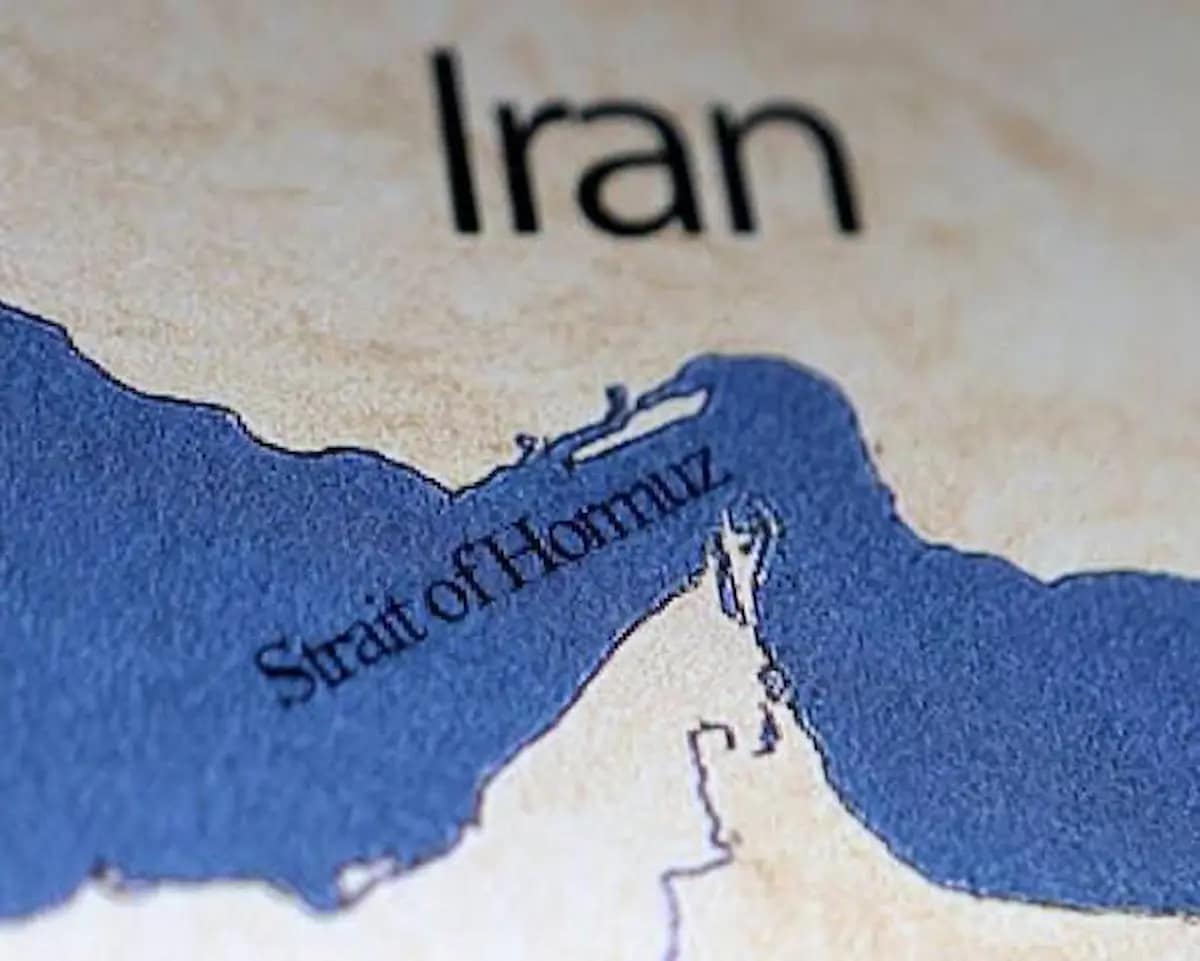
Iran’s proposal to reopen the Strait of Hormuz within seven days sent Brent down 2.1% to $98.23 a barrel on September 22.
Brent reached about $126 during the war, fell to $69 on July 2 and moved above $100 again as attacks intensified.
Saudi Arabia has redirected exports through its East-West pipeline to Yanbu on the Red Sea, while the UAE exports through Fujairah on the Gulf of Oman.
Ship-to-ship transfers near Oman rose from about 1.4 million barrels a day in August to 2.5 million in September. The Saudi route returned to service on September 22 after an 11-day shutdown.
Freight rates for some very large crude carriers have exceeded $30 a barrel, and Middle East production remains below pre-conflict levels.
Crude continues to leave the region through Red Sea and Gulf of Oman routes during restricted passage through Hormuz.
U.S. Markets Are Keeping Global Capital
The Nasdaq rose 2.3% on September 21 to a record close, led by semiconductor stocks. The S&P 500 gained 1.49%.
The Nasdaq reached an intraday record of 27,231.59 on September 22 as Brent fell below $100.
U.S. equity funds recorded $31.44 billion in withdrawals in the week to September 18, the fourth straight week of outflows.
Short- and intermediate-term government and Treasury funds received $3.49 billion. Bank of America reported its clients bought U.S. stocks at the fastest pace in three months.
Money-market assets stood at $7.92 trillion in the week ended September 16. Government funds accounted for $6.53 trillion. Overall holdings declined by $51.97 billion from the previous week.
The 10-year Treasury yield crossed 5% after the Federal Reserve raised rates in September and moved back below 5% on September 21. Nearly $8 trillion remains in money-market funds as U.S. equities trade near record levels.
Gold Is Missing the Wartime Rush
Gold reached a record $5,594.82 an ounce in January. During the first three weeks of the Iran war, the price fell 15% and gold ETFs recorded about $8 billion in outflows.
By September 22, spot gold was trading at $4,332.34 an ounce, more than 22% below the January record.
The decline came during months of fighting with Iran and repeated disruption to oil shipments from the Gulf.
Investors have returned to some precious-metals funds in September. Commodity funds received $1.17 billion in the week to September 16, with gold and precious-metals funds receiving most of the money.
Those inflows come six months into the war with gold still trading more than a fifth below its January record.
Bitcoin Is Drawing Fresh Capital for Another Reason
Bitcoin reached $86,054 on September 21, its highest price in eight months and more than 30% above its August 19 level. U.S. spot Bitcoin ETFs received about $433 million on September 18.
Strategy purchased another $75.7 million during the week, increasing its holdings to 846,000 Bitcoin valued at about $72 billion at Monday’s price.
The Securities and Exchange Commission proposed Regulation Crypto Assets in August and granted temporary exemptions for certain onchain trading venues on September 17. Both developments came during the latest run-up in Bitcoin.
The $433 million ETF inflow and Strategy’s latest purchase came through established Bitcoin investment channels, with no direct link reported between those flows and the disruption at Hormuz.
More Oil Is Moving Outside the Strait of Hormuz
Oil flows through the Strait of Hormuz fell from 21.6 million barrels a day in the fourth quarter of 2025 to 4.9 million in the second quarter of 2026.
Saudi Arabia and the UAE moved some exports through terminals that do not require passage through the Strait.
The UAE’s pipeline to Fujairah can carry as much as 1.8 million barrels a day. ADNOC is building another line with capacity for 1.5 million barrels a day and said in May that construction was halfway complete, with completion targeted for 2027.
Saudi Aramco’s East-West system can carry about 7 million barrels a day toward the Red Sea.
Roughly 5 million barrels a day can be available for export through Yanbu after crude supplied to domestic refineries is accounted for.
Hormuz still handles volumes that existing alternative routes cannot replace. The next additions come from infrastructure now under construction and any further investment in pipelines and export terminals outside the Strait.
More of that capacity would give Gulf producers additional routes to international buyers when passage through Hormuz is restricted.


Recent Comments