

Featured Summary:
- Africa cross-border payments target new links with China and India from 2027
- Growing trade with China and India is opening more room for local-currency settlement
- Higher U.S. rates are keeping dollar financing expensive across African markets
- New payment links would allow more African trade to settle without routing every transaction through dollars or euros
PAPSS is targeting connections with major payment systems in China and India by the first quarter of 2027, although no integration has been completed.
China-Africa trade reached $348.05 billion in 2025, with Chinese exports at $225.03 billion and imports from the continent at $123.02 billion.
India’s government says trade with Africa crossed $100 billion in 2024–25. China buys oil, minerals and other commodities from African markets and sells machinery and manufactured goods across the continent.
India is also a major buyer of African commodities and supplier of pharmaceuticals and manufactured products.
U.S. interest rates stood at 0%–0.25% in 2020. The Federal Reserve raised the range to 3.75%–4.00% on September 16, 2026. PAPSS is pursuing its China and India connections in that higher-rate environment, with the first links targeted for 2027.
Africa Cross-Border Payments Are Following Trade Toward Asia
China’s purchases from Africa draw heavily from the continent’s oil and mineral producers. Angola sends crude oil to the Chinese market, while the Democratic Republic of Congo supplies cobalt and copper.
Zambia is another major copper supplier. South Africa ships iron ore, manganese and other minerals, giving several of Africa’s largest resource economies direct commercial exposure to Chinese demand.
India’s purchases reach another group of African exporters. Nigeria and Angola supply crude oil, while South Africa sells coal and gold into the Indian market. Gold also links India with producers elsewhere on the continent.
These commodity flows have made China and India established destinations for African resources rather than prospective markets waiting for trade to develop.
PAPSS currently provides local-currency settlement across participating African markets. Its planned connections with payment systems in China and India would place those settlement links alongside trade relationships that African exporters are already using.
Dollar Conversion Still Adds Billions to Africa’s Trade Bill
Africa has 41 currencies, but direct exchange between many of them remains limited.
PAPSS estimates that fragmented currency markets and the use of hard currencies for cross-border payments cost the continent about $5 billion each year in fees, delays and opportunity costs.
A Nigerian importer buying from another African country may need dollars or euros to pay the supplier.
Converting the naira into the intermediary currency and exchanging it again before the supplier is paid adds foreign-exchange charges and spreads.
PAPSS allows customers in participating markets to pay in their local currency and suppliers to receive funds in theirs.
Connections with payment systems in China and India are targeted for 2027. Comparable settlement arrangements would give some Africa-Asia transactions a direct payment route without an intermediate conversion into dollars or euros.
High U.S. Rates Put Africa’s Dollar Exposure Back in Focus
The IMF says more than two-thirds of imports are priced in dollars in most sub-Saharan African countries.
Its estimates show that a 1% depreciation against the dollar raises inflation by about 0.22 percentage points within the first year, on average.
For an importer paying a dollar invoice, a weaker domestic currency means finding more naira, shillings, cedis or rand for the same purchase.
U.S. yields also matter outside the import bill. Higher returns in American markets can draw investment away from emerging economies, adding pressure to currencies already needed to pay for dollar-priced goods.
Governments and companies with dollar debt face the same exchange-rate problem when interest or principal falls due.
PAPSS can reduce the need for an intermediary currency on payments covered by its network. It does not change the currency written into an external debt contract or the price attached to an imported product.
Those costs will continue to move with the dollar even if more trade with China and India eventually settles through other currencies.
Africa’s Payment Options Are Expanding Beyond the Dollar
Africa’s trade relationships are extending beyond the payment arrangements that have long relied on dollars and euros.
China and India are already major destinations for African exports and major suppliers to the continent.
Connecting African payment infrastructure with systems in those markets adds local currencies to a larger share of the continent’s external commerce.
The geopolitical change is taking place around the dollar rather than through its replacement.
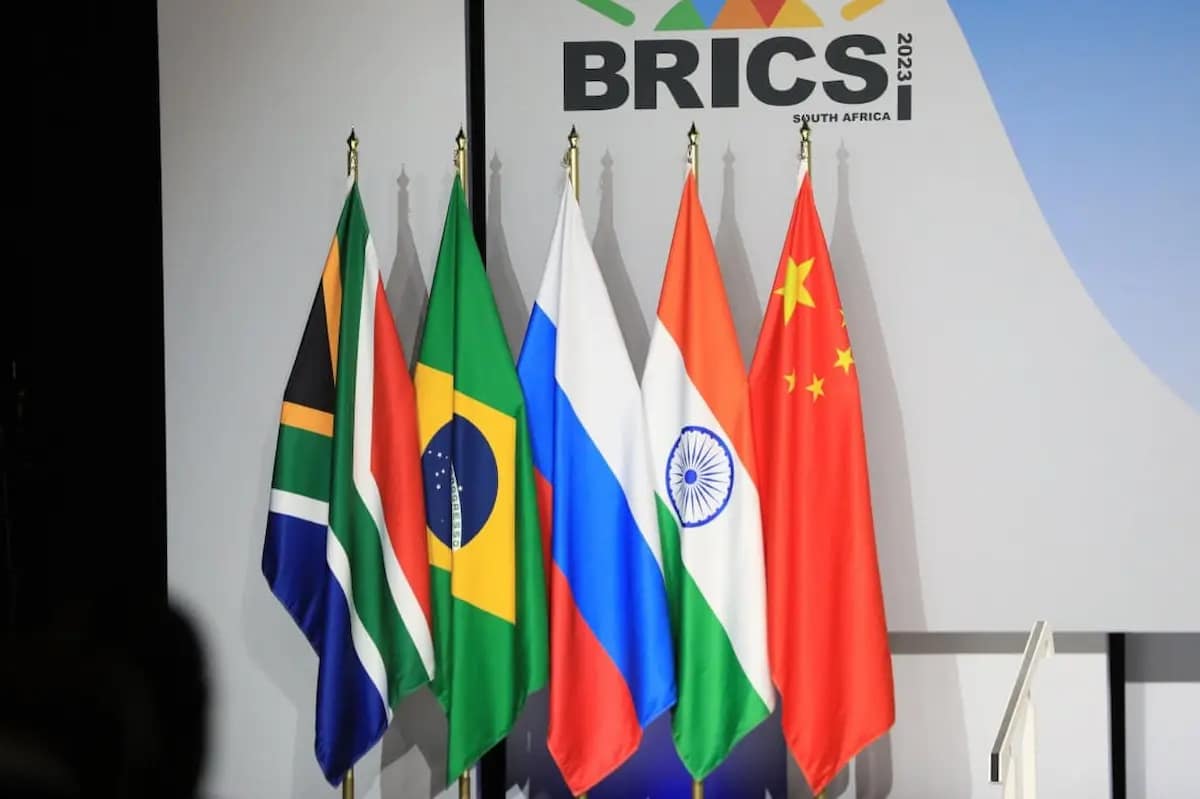
China is expanding the international use of the renminbi, India has promoted rupee settlement for international trade, and BRICS governments have backed greater use of national currencies in cross-border transactions.
PAPSS gives African markets their own infrastructure within those developments.
The dollar remains central to global finance, and U.S. monetary policy continues to reach African economies through markets far beyond trade settlement.
Africa cross-border payments are moving on a separate track: more of the continent’s trade can be connected to payment systems built around the countries buying and selling those goods.


Recent Comments