

Featured Summary:
- BRICS Currency Push moves more trade toward settlement in members’ currencies
- African commodity exporters gain a route to reduce dollar use in BRICS trade
- China, India and the UAE widen the market for direct settlement of African exports
- Africa can cut dollar payment costs, but control of the payment infrastructure remains contested
In 2025, Africa exported most of its goods as commodities. Almost half of this trade was in U.S. dollars. Primary goods made up 76.7% of exports, including oil, minerals, and agricultural products sold in major overseas markets.
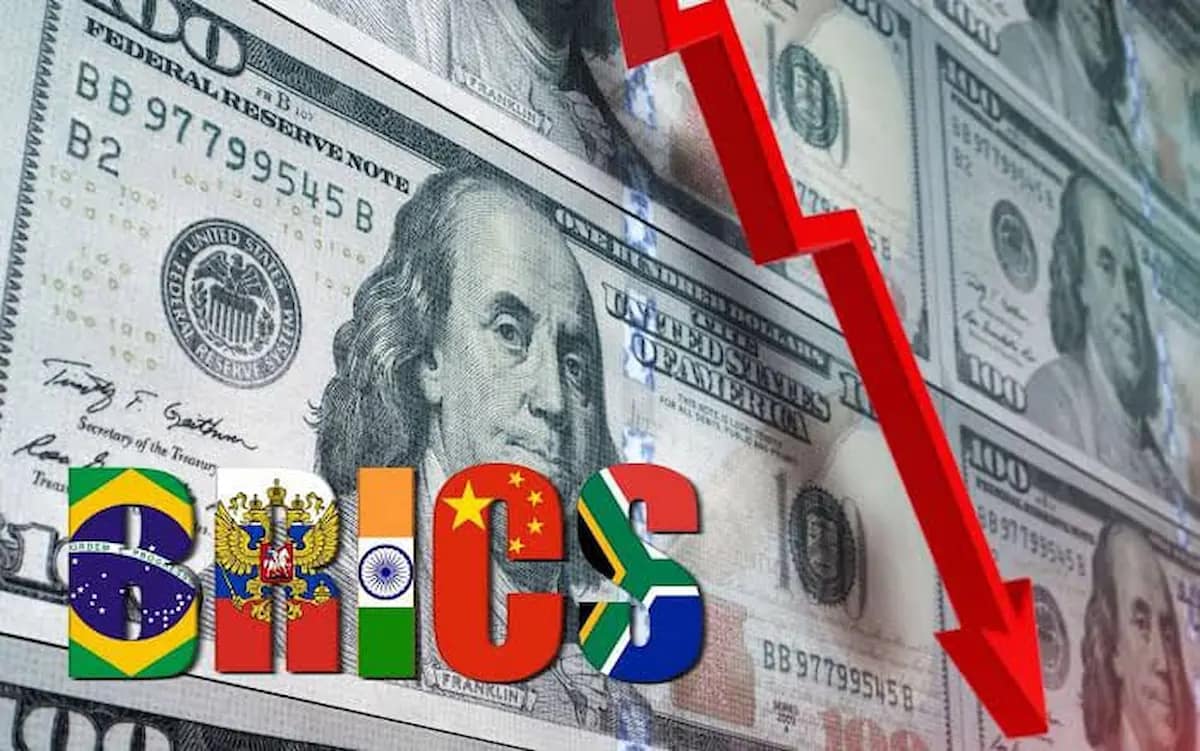
BRICS leaders met in New Delhi on September 12–13. They supported using members’ currencies for trade and investment.
Work also continued on connecting cross-border payment systems. The summit did not produce a common BRICS currency, and the payment mechanism is still under negotiation.
China traded $348.1 billion in goods with Africa in 2025, buying $123 billion from the continent. China, India, and the UAE are key markets for African exports. South Africa, Egypt, and Ethiopia now take part in BRICS discussions from within the bloc.
The BRICS Currency Push allows local-currency settlement in these trading relationships. African exporters could complete more transactions with BRICS buyers without converting payments to dollars first.
African Commodity Exports Put BRICS Settlement Plans Into Existing Trade
In 2025, China bought $30.6 billion of goods from South Africa. This was part of the $123 billion it imported from Africa. Minerals play a big role in this trade.
Copper and cobalt from Central and Southern Africa meet China’s industrial needs. BRICS aims to simplify settling these trades in currencies other than the dollar.
India imported $34.7 billion of goods from sub-Saharan Africa in the 2024–25 financial year. This trade includes crude oil and other commodities from major exporters.
In the first nine months of 2025–26, Indian imports rose to $29.7 billion, an 8.5% increase from the previous year.
The UAE is home to one of the world’s largest precious-metals markets. Gold trade there reached about $186 billion in 2024. This is supported by 53 licensed refineries and over 6,200 companies in the gold and precious-metals sector.
African gold already enters a market designed to refine, finance, and re-export the metal.
New Delhi hasn’t changed how commodity sales are settled yet. BRICS members are still working on local-currency payments and linking their national payment systems.
For African exporters, the first gains will come as these arrangements support the trade already moving into China, India, and the UAE.
African Exporters Already Have Routes Around Dollar Settlement
China’s CIPS handles cross-border payments in renminbi. African institutions with access to Chinese banks can use this currency for eligible transactions instead of dollars.
The Reserve Bank of India allows international trade to be invoiced and settled in rupees through Special Rupee Vostro Accounts. Participating overseas banks can receive rupees from Indian importers under this system.
Egypt and the UAE have a currency swap worth up to AED5 billion and EGP42 billion. This agreement lets their central banks access dirhams and Egyptian pounds for trade and investment.
However, it doesn’t mean that trade between the two countries is regularly settled in these currencies.
These arrangements do not apply equally to all of Africa’s BRICS members. Egypt has its deal with the UAE, while South African banks connect to China’s renminbi system.
Ethiopia’s entry into BRICS did not establish a local-currency settlement option for its exporters.
BRICS has not yet connected these channels. The Payment Task Force is looking into interoperability between national payment systems and increasing the use of members’ currencies for trade and investment.
Right now, non-dollar settlement is available only through specific banks and bilateral agreements, not a BRICS-wide payment system.
Hard-Currency Payments Cost African Trade Billions
Afreximbank estimates that African businesses lose about $5 billion each year due to fees, delays, and costs from using foreign currencies for payments within Africa.
This estimate includes only intra-African transactions, not trade with China, India, or the UAE.
Over 80% of cross-border payments from African banks once went abroad for clearing and settlement.
Money sent from one African country was converted into dollars or euros overseas before changing again into the local currency. African businesses bore the costs of these extra steps.
PAPSS now clears payments between participating African countries in their local currencies. By July 2025, it covers 17 countries, connect 14 national switches, and involve over 150 commercial banks.
The African Currency Marketplace launched that month, allowing direct exchanges between participating currencies.
PAPSS is not linked to the payment initiative being discussed at BRICS. No interoperability agreement with the BRICS Payment Task Force has been announced.
New Delhi focused on cross-border payment links and broader use of member currencies instead of creating a system that connects with Africa’s existing platform.
Direct settlement already cuts out some dollar and euro conversions in payments handled through PAPSS. However, extending this option to trade with BRICS countries will need agreements that are not yet in place.
The BRICS Currency Push Will Not Remove Currency Risk for African Exporters
For African exporters, using fewer dollars won’t eliminate currency risk. A copper producer paid in renminbi or another BRICS currency still has wages, taxes, debts, and suppliers to pay in their home currency. The deal’s value will depend on how easily these funds can be converted or used again.
Large exporters and banks may adapt first. Smaller businesses face more challenges if their banks have limited access to the buyer’s currency or if converting proceeds back to local currency is costly. A cheaper route around the dollar loses value when liquidity is low at the other end.
Contract terms will gain importance as payment options expand. Exporters must decide which currency sets the price, who absorbs exchange-rate changes, and where they can convert proceeds. Buyers with better banking access may have more power to dictate these terms.
The BRICS Currency Push can lower the dollar cost for some African exports. The exporters who benefit most will be those who can use the received currency without incurring another costly conversion.


Recent Comments