

Featured Summary:
- Copper investment is accelerating as grid demand outpaces new mine supply
- AI is pulling more power infrastructure spending into the U.S
- Africa’s electricity buildout is widening the copper investment case
- New copper supply is unlikely to keep pace through the next decade
Global electricity demand is expected to increase by about 1,100 TWh a year through 2030, around 50% more than the annual additions recorded over the previous decade.
Data centres, industry, electric vehicles and cooling are adding to electricity use, while utilities are investing in generation, transmission lines, substations, transformers and distribution networks.
The IEA expects copper demand to increase by about 7 million tonnes by 2040.
Announced mining projects would still leave copper supply about 25% below projected requirements in 2035, according to the IEA.
Chile has about $104.5 billion of mining investment planned through 2034, and projects in the DRC and Zambia are expected to add new output.
Those projects will not deliver production immediately, leaving mine development behind the pace of current power infrastructure spending.
AI Is Adding to U.S. Power Infrastructure Demand
U.S. electricity demand is forecast to rise by more than 420 TWh through 2030, with data centres accounting for about half of the increase.
Global data-centre electricity use could reach about 945 TWh by 2030, more than twice the 2024 level. AI-related accelerated servers account for almost half of the projected growth.
U.S. data centres could consume more electricity by 2030 than aluminium, steel, cement, chemicals and other energy-intensive manufacturing combined.
New facilities require substations, transformers, switchgear, cables and transmission connections. Data centres can be built in two to three years, while grid infrastructure often takes longer to permit and construct.
Electricity networks used about 5 million tonnes of copper in 2020, with the IEA projecting grid-related demand at 7.5 million tonnes by 2040 under stated policies.
That benchmark predates much of the current data-centre expansion now being added to the U.S. power system.
Data-centre growth is increasing demand for grid equipment already required by industrial expansion and wider electrification.
Africa Still Has a Large Electricity Infrastructure Gap
More than 560 million people in sub-Saharan Africa were still without electricity in 2024, representing about 86% of the global access gap.
Mission 300 aims to connect 300 million people by 2030, and more than 50 million had been reached across 40 countries by June 2026.
The World Bank and African Development Bank have committed nearly $15 billion to Mission 300 projects, with about $4.5 billion in co-financing.
Development partners have pledged more than $7 billion for Africa’s energy sector. Funding is going into generation, transmission, distribution, mini-grids and other access projects.
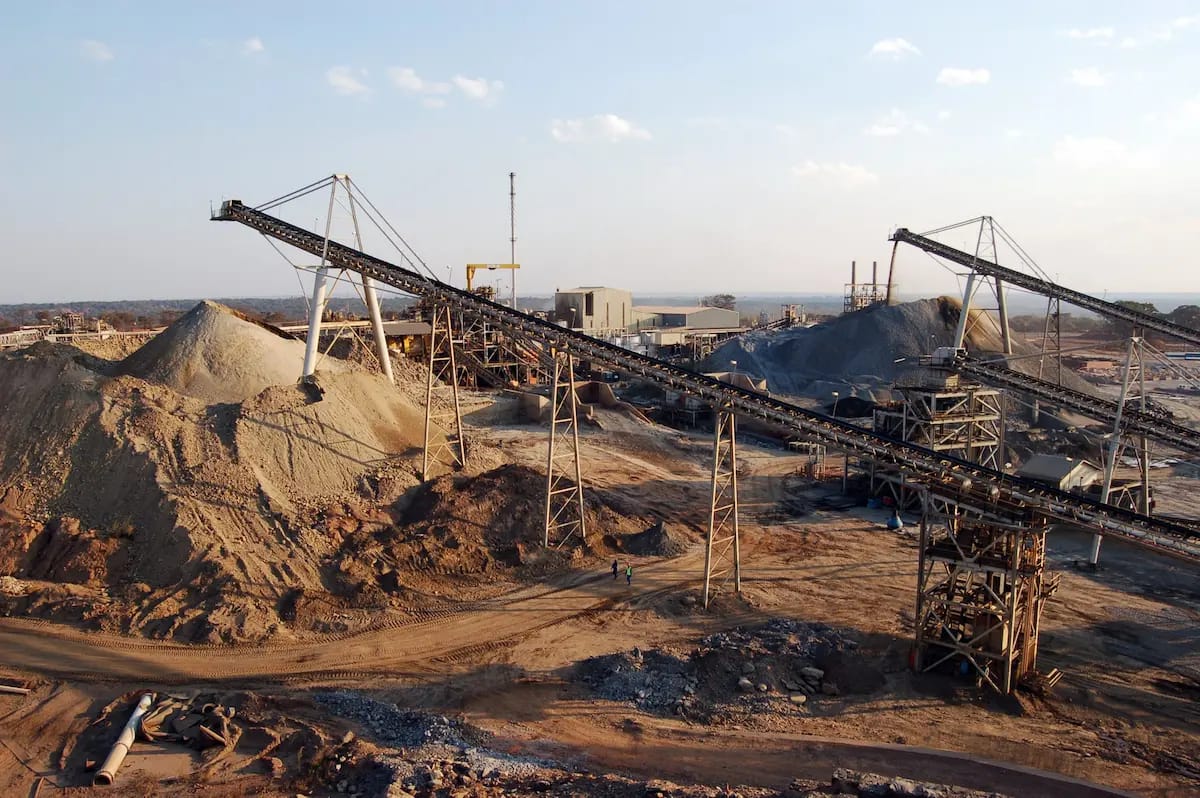
Zambia wants annual copper output to rise from about 890,000 tonnes to 3 million tonnes by 2031.
Mining companies estimate the sector will need roughly 2,000 MW of additional generation to support that expansion. More than $10 billion has entered Zambia’s mining industry since 2021.
KoBold Metals’ Mingomba project is expected to cost about $2.3 billion to $2.5 billion and produce around 300,000 tonnes of copper a year once operating.
Production is targeted for the early 2030s, with permitting and development still under way.
Reaching Zambia’s copper target will require more power capacity as well as new mines.
New Copper Supply Takes Longer to Develop
New copper mines take about 17 years on average to move from discovery to production, according to the IEA.
Average ore grades have fallen about 40% since 1991, while capital intensity for brownfield expansions has risen about 65% since 2020.
Only about 5% of the copper deposits discovered over the past 35 years were found in the most recent decade.
The IEA projects that existing and announced projects would leave copper supply about 25% below primary requirements in 2035 under its stated-policies scenario.
Its earlier estimate was closer to 30%, with new projects in the DRC and Zambia helping reduce the projected gap.
BHP’s copper business contributed more than half of group underlying EBITDA in FY2026.
The miner says its project pipeline could lift attributable copper production to about 2 million tonnes a year by FY2035, around 40% above current levels. Projects are planned across Chile, Australia and Argentina.
Brownfield expansions can add production sooner than new mines, but much of the supply expected later in the decade is still moving through permitting, financing and construction.
Copper Investment Is Moving Into Mines and Supply Infrastructure
The U.S. added copper to its critical-minerals list in 2025 as governments gave more weight to mineral security, power systems and domestic industry.
Public financing for critical-mineral projects has expanded across advanced economies, while spending by copper-focused companies rose in 2025 despite weaker investment across the wider sector.
Future supply will depend on more than mine construction. New projects need electricity, processing capacity and transport links to reach export markets.
Investment around the Lobito and TAZARA corridors shows how rail infrastructure is being built into mineral policy across Central Africa.
Policy and capital are now extending beyond the mine site. The countries that can move projects through development and connect them to power and export infrastructure will determine where more of the next decade’s copper supply comes from.


Recent Comments