

Featured Summary:
- Zambia copper boom is putting policy continuity behind its next investment cycle
- Government changes can alter the assumptions businesses invested under
- Currency, tax and trade rules can shift after elections
- More predictable policy transitions would lower uncertainty around long-term capital
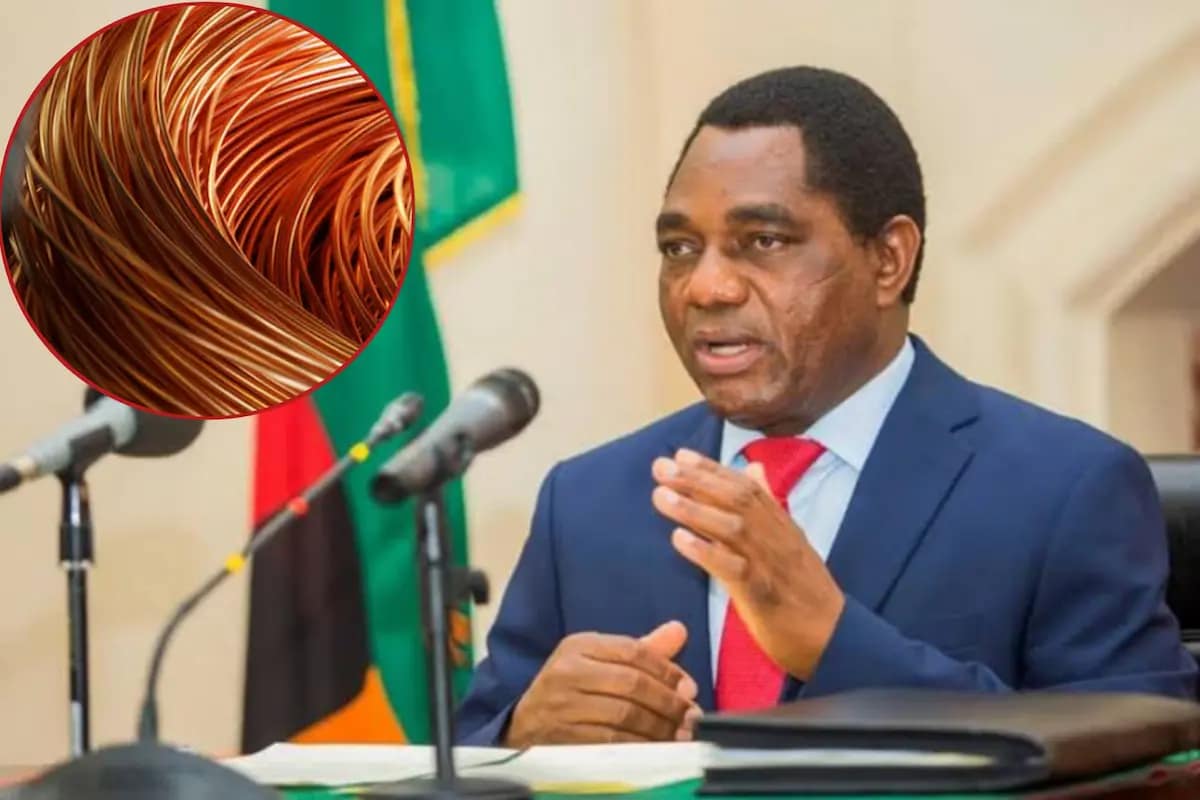
More than $10 billion has gone into Zambia’s mining industry since 2021. Copper provides about 70% of the country’s export earnings, and Zambia is targeting annual output of roughly 3 million tonnes.
Mining companies are still pressing for changes to exploration licensing. The sector also needs more electricity. Local-content rules remain under implementation, and mineral processors are seeking additional incentives.
New copper projects will move forward under the policies that remain in place after the election.
Zambia Copper Boom Still Depends on Policy After the Election
Copper prices entered the election period near historic highs. Zambia is targeting annual production of about 3 million tonnes, and mining companies are seeking faster exploration approvals and additional power for new projects.
Local-content rules remain under implementation. Processors are also seeking more support for domestic refining, while export duties still affect some producers without local processing options.
Zambia has said mining tax rates are not expected to change after the election.
Nigeria Shows How Quickly Business Costs Can Change After an Election
President Tinubu removed the petrol subsidy soon after the 2023 transfer of power and liberalised the foreign-exchange market. The naira weakened sharply, and electricity subsidies were later reduced.
Fuel and imported inputs became more expensive for many companies. Fiscal conditions later improved in some areas, but business costs had already shifted materially from the pre-election environment.
IMF Data Shows Election Uncertainty Can Cut Private Capital
The IMF studied 38 emerging-market economies from 1990 to 2020. In the least politically stable group, gross private capital inflows fell by an average 1.25% of trend GDP during the election quarter, about 28% below the level recorded in the previous two quarters.
The IMF recorded steeper declines around unscheduled elections and defeats for incumbent governments. The effect was smaller in countries with stronger institutions. The Zambia copper boom now moves into another investment phase with policy continuity still in focus.
Economic Policy Has to Last Longer Than the Political Term
Large mining projects can outlast several governments. Changes to tax rules or the currency regime can quickly alter the economics of investments already in place.
The Zambia copper boom has already attracted billions. New spending will still be shaped by exploration rules, power supply and processing policy after the election.
Policy can change, but businesses still need rules they can plan around beyond one political term.


Recent Comments