

Featured Summary:
- The U.S. went to war to weaken Iran, but the Strait of Hormuz has become more valuable to Tehran
- Washington now needs a reopening that Iran can help determine
- Oil is pricing less escalation without pricing a full return of Gulf supply
- Delayed normalization is keeping the war’s energy cost embedded in global inflation
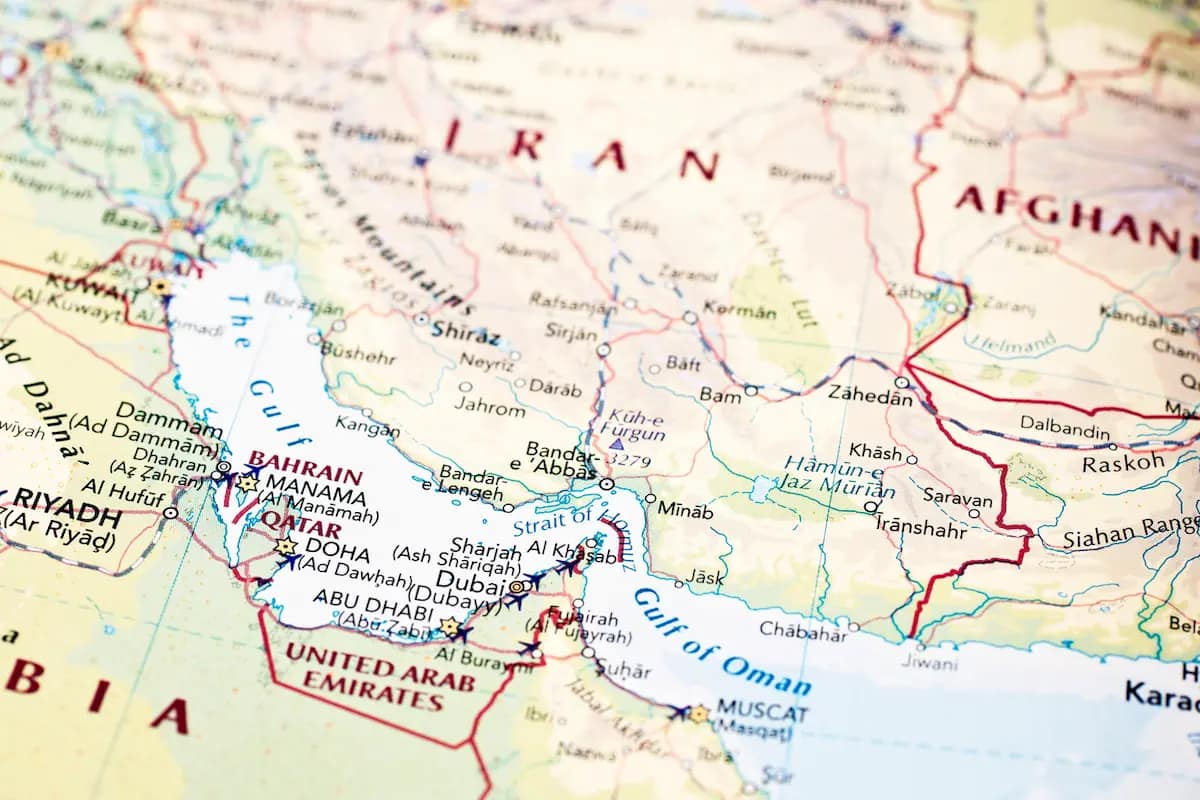
The U.S. went to war seeking to reduce Iran’s strategic leverage. Months later, Washington is putting greater weight on reopening the Strait of Hormuz, while Tehran is attaching wider conditions to the return of normal commercial traffic.
Trump has signaled that restoring the route could be enough to frame the conflict as a success even without resolving every dispute with Iran.
Washington now needs Gulf energy flows to normalize while oil and inflation remain elevated, giving Tehran leverage over part of the economic exit from the war.
Military risk has eased from its peak, but the route that carried roughly one-fifth of global oil and LNG shipments before the conflict has not returned to pre-war conditions.
Washington’s Exit Strategy Has Raised the Value of the Strait of Hormuz
Reopening Hormuz now carries more weight inside Washington’s exit strategy than it did when the conflict began.
The Strait is no longer just part of the economic damage caused by the war; it has become one of the conditions shaping how the U.S. can move toward de-escalation without leaving the energy shock unresolved.
Washington can reduce its own military pressure, but it cannot restore normal Gulf shipping by itself.
The closer reopening moves to the centre of the U.S. exit, the more valuable Tehran’s cooperation becomes in determining how quickly that economic pressure fades.
Iran Is Converting Military Disruption Into Market Power
Iran no longer needs a full closure of Hormuz to preserve leverage.
Commercial traffic can improve while insurance costs, shipping restrictions and incomplete Gulf exports keep the route short of its pre-war state, allowing Tehran to ease disruption without giving up all of the economic value created by it.
Brent has fallen sharply from its wartime highs, but the market is still pricing the part of Gulf supply that has not returned.
China has softened the impact by cutting crude purchases and drawing on large inventories, yet those buffers do not restore the missing flows.
Iran’s leverage is now tied less to shutting Hormuz completely than to how far normalization is allowed to proceed.
The war premium is fading faster than the Hormuz premium.
The War Is Running Against America’s Inflation Trade
U.S. inflation is already carrying part of the war’s energy cost. Headline PCE inflation reached 4.1% in May, while the Federal Reserve said higher energy prices were an important part of the increase.
PCE energy prices were 24% higher than a year earlier, with much of that rise tied to the jump in oil and gasoline after the Middle East conflict constrained shipping through the Strait of Hormuz.
The labour market is weakening at the same time. July payrolls fell by 23,000, pushing traders to scale back expectations for another near-term Fed increase.
A slower return of Gulf supply leaves more of the war’s energy shock in U.S. prices just as softer hiring would normally strengthen the case for lower rate pressure.
The conflict is no longer only a foreign-policy cost for Washington; it is beginning to work against the domestic inflation relief a slower economy would otherwise provide.
Iran Is Testing an Assumption Built Into the Global Outlook
The IMF’s July outlook assumed the Strait of Hormuz would begin reopening in mid-July and move broadly back toward pre-war conditions by March 2027.
Commercial normalization was still incomplete by August 10. The same outlook expects global growth to slow to 3.0% this year while headline inflation rises to 4.7%, leaving the world economy with less room to absorb a prolonged energy disruption.
Washington can reduce military pressure, but it cannot restore Gulf energy flows on its own.
The war has left Tehran with leverage over part of the economic exit just as slower growth makes the cost of delay harder to absorb.
The Strait of Hormuz has become more valuable to Iran not because the military balance has shifted, but because the global economy now needs normalization more than it did when the war began.


Recent Comments