

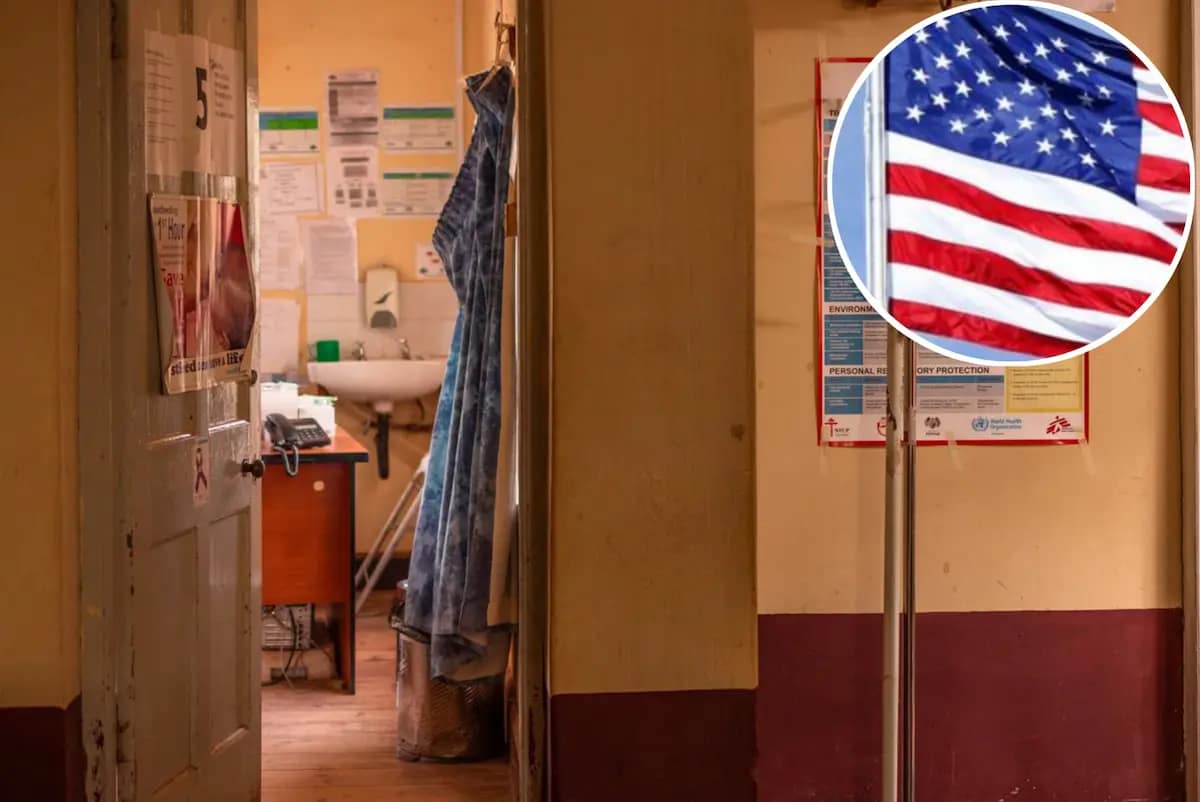
Featured Summary:
- U.S. health deals will require more spending from African governments
- Ghana and Zimbabwe have walked away from proposed agreements
- Zambia is pushing for changes to disputed U.S. terms
- Health budgets will come under pressure where American funding ends
Ghana rejected a proposed five-year health agreement worth about $109 million from the United States after President John Mahama objected to several of its terms.
President Mahama said Washington sought access to Ghana’s pathogen information and medical records and required counterpart funding from Accra.
He said the proposal would also limit inspections by the Ghana Food and Drugs Authority for some medical products supplied under the agreement.
U.S. officials say the new bilateral model is intended to reduce dependence on American assistance as countries take on more of their healthcare spending.
More than 30 countries have signed agreements under the model, most of them in Africa. Future U.S. funding will increasingly depend on the terms governments negotiate with Washington.
U.S. Health Funding Is Shifting From Aid to Co-Financed Deals
Nigeria has committed nearly $3 billion to its health partnership with the United States through 2030. Washington expects to provide almost $2 billion. At least 6% of executed federal and state budgets will go to healthcare.
The funding covers disease surveillance, laboratory capacity and primary healthcare facilities.
Tanzania will provide about $1.8 billion under its five-year deal. The United States has committed more than $1.3 billion.
Biological samples collected under the partnership will remain in Tanzania, according to the government. Officials said they cannot be transferred outside the country without government approval.
Health Data and Critical Minerals Are Emerging as Negotiating Fault Lines
Zambia objected after Washington linked a proposed health package worth up to $2 billion over five years to talks over critical minerals.
Foreign Minister Mulambo Haimbe said Lusaka opposed preferential treatment for U.S. companies and wanted the two negotiations handled separately.
Haimbe said this month that Washington had agreed to change contested data-sharing terms and end the connection with the minerals talks.
The revised package is valued at about $1.5 billion, with just over $1 billion expected from the United States. The State Department has not publicly confirmed those changes.
Kenya’s High Court partially suspended a $1.6 billion health framework in December after a consumer group challenged the handling of medical and epidemiological data.
The government said the deal complied with Kenyan law. Kenya later signed a grant agreement with Washington in July.
Talks with Zimbabwe ended after Harare rejected terms granting access to epidemiological data and biological samples.
U.S.-supported health programs are due to end at the close of September after more than two decades of American funding for HIV, tuberculosis and malaria services.
African Governments Face a Bigger Health Bill as U.S. Funding Changes
External financing accounts for about a quarter of health spending in the WHO African Region.
Five countries depend on foreign assistance for at least 45% of their health expenditure. WHO classifies 27 countries as highly vulnerable to funding cuts.
Development assistance for health fell about 21% in 2025 and by roughly a quarter in Sub-Saharan Africa. Contributions from the world’s largest bilateral donor fell 67%.
African governments spend an average 7.3% of their budgets on health. Households pay about 36% of health expenditure directly. In many low-income countries, governments spend more servicing debt than on healthcare.
The World Bank approved $225 million for health, nutrition and early-childhood services in Côte d’Ivoire in April, followed by $135 million for Senegal’s health system in March.
About 385 million people in the region are pushed into or deeper into poverty each year by healthcare costs they pay themselves.
Africa’s Next U.S. Health Deals Will Be Negotiated, Not Simply Accepted
Washington plans to cover specified health commodities and frontline workers through the 2026 fiscal year, after which partner governments are expected to assume more of those costs.
U.S. disbursements will begin providing a measure of how much of the announced funding reaches national programs as governments increase spending from their own budgets.
Agreements still being negotiated could emerge with different rules for health information, biological samples and the authority of national regulators.
Health programs that do not receive new American financing will have to draw on government budgets or other donors.
KFF estimates that planned U.S. funding for countries with signed agreements over the next five years is $7.5 billion below comparable American funding during the previous five years.


Recent Comments