

Featured Summary:
- AfCRA launches as Africa pushes to keep more investment value on the continent
- More mines, refineries and industrial projects will raise demand for private capital
- AfCRA gives investors a new African credit signal as more borrowers seek funding
- Its next decade will be judged by how much it shapes the pricing of African risk and capital
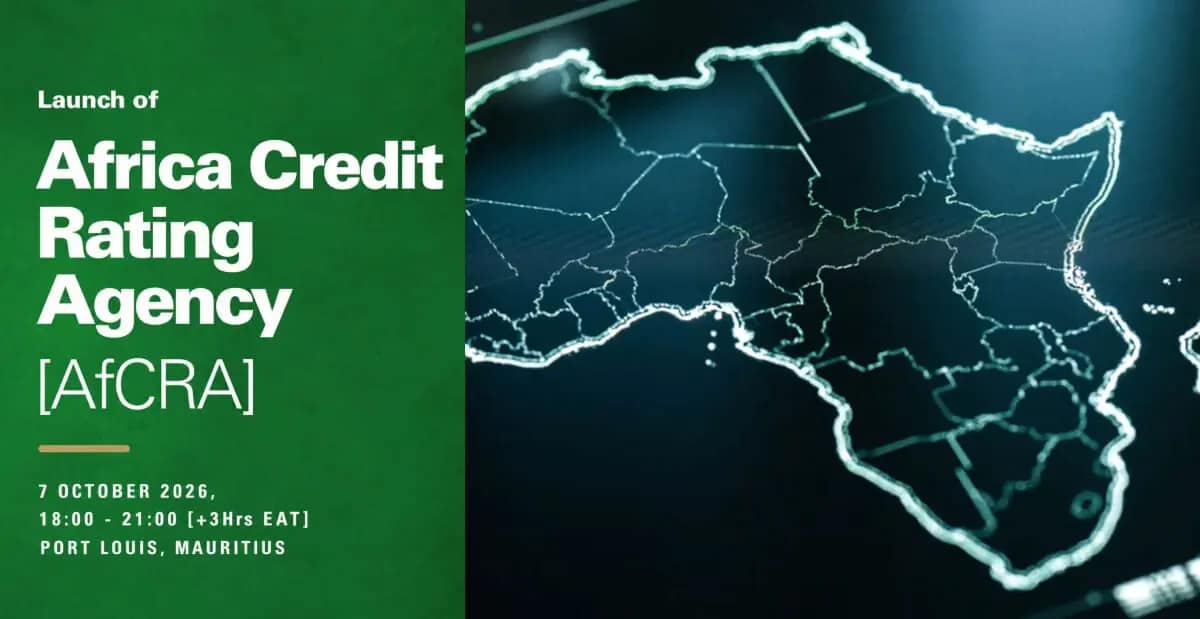
Africa has launched AfCRA after years of complaints that sovereign risk on the continent is often judged without enough local context.
The agency arrives as governments are pushing more mineral processing and industrial activity onto the continent.
Africa holds major reserves of copper, cobalt, lithium and manganese, but much of the refining and manufacturing linked to those resources still takes place elsewhere.
More of that activity is now being targeted for African markets, raising the financing needs for power, transport, processing and manufacturing projects.
That will bring more governments and companies into debt and capital markets at a time when credit coverage across the continent remains uneven.
Moody’s, S&P and Fitch still dominate global ratings. AfCRA adds an African institution to that system just as the continent is trying to finance a larger share of its industrial expansion at home.
Africa’s Resource Strategy Is Moving Beyond Extraction
The African Union is pressing member states to keep more mineral processing on the continent, with its Green Minerals Strategy centred on beneficiation, industrial production and regional value chains.
Zimbabwe has already moved further in that direction. Lithium concentrate exports will be banned from January 2027, increasing pressure on producers to process more material locally.
Chinese companies have invested about $2 billion in the sector since 2021, alongside new processing capacity.
Zambia is targeting more value from copper and battery materials. UNCTAD and the World Bank have identified refining and component production as areas where the country could move further down the value chain, including through regional links with the Democratic Republic of Congo and South Africa.
That expansion will require more than mining capital. New processing capacity depends on electricity, transport and industrial infrastructure, all of which require long-term financing.
In September, the African Development Bank took five regional critical-minerals projects to Korean investors with guarantees and co-financing instruments attached.
More of the capital being sought for African minerals is now tied to what happens after extraction.
That is beginning to move the investment case toward processing and industrial capacity inside the continent.
More Investment Brings Africa’s Cost of Capital Back Into Focus
Kenya sold bonds at a 9.95% yield in February 2025, Gabon at 12.70% and Benin at 8.63%, according to World Bank data.
Those rates show how expensive international borrowing remains for many African governments.
Africa’s external debt payments reached $163 billion in 2024, compared with $61 billion in 2010. At the same time, only 32 of the continent’s 55 states carry ratings from Moody’s, S&P or Fitch.
The cost of sovereign borrowing also shapes financing conditions for companies and large projects operating in the same countries.
Refineries, railways, power systems and industrial plants can become harder to finance when investors demand higher returns for country risk.
That financing pressure is becoming more important as African governments push further into processing and industrial production.
AfCRA enters the market at that point, adding another source of credit assessment as more African borrowers seek long-term capital.
AfCRA Gives African Capital Markets a New Source of Credit Risk
AfCRA will rate sovereigns, companies, financial institutions and other issuers, adding a new source of credit information to African debt markets.
That gives borrowers outside the main focus of Moody’s, S&P and Fitch another route to formal coverage.
It also gives pension funds, insurers, banks and asset managers more information when comparing government and corporate debt across the continent.
International investors will be able to compare AfCRA’s judgments with those of the established agencies.
Differences between the ratings will draw particular attention where local data produces a different assessment of a borrower’s risk.
The agency’s role will become more visible as more industrial, energy and infrastructure projects seek long-term financing.
Each borrower will still compete for capital on price and risk, but AfCRA adds another reference point for investors making those decisions.
Its real influence will be seen when those ratings begin to affect where capital is allocated and what investors are willing to charge for it.
Africa Is Building Around the Capital It Wants to Attract
Africa’s minerals push is moving into a period where financing will determine how much processing and industrial activity stays on the continent.
Refineries, power projects, transport links and manufacturing plants will need long-term capital on a much larger scale than extraction alone.
AfCRA enters as that demand grows. Its ratings will sit alongside those of Moody’s, S&P and Fitch when investors assess the governments, companies and projects seeking funding.
The agency’s influence will be visible in whether those assessments begin to affect investment decisions and borrowing terms.
Over the next decade, Africa’s ability to keep more value from its resources will depend not only on what it mines, but on whether it can finance the industries built around them.


Recent Comments