

Featured Summary:
- US interest rates may rise despite Trump’s demand for cuts
- A Fed hike would keep dollar funding expensive and raise refinancing pressure across Africa
- A Fed cut could revive capital flows, but long-term yields may remain high if investors distrust the move
- Trump’s trade threat could add fresh inflation and deepen pressure on global markets
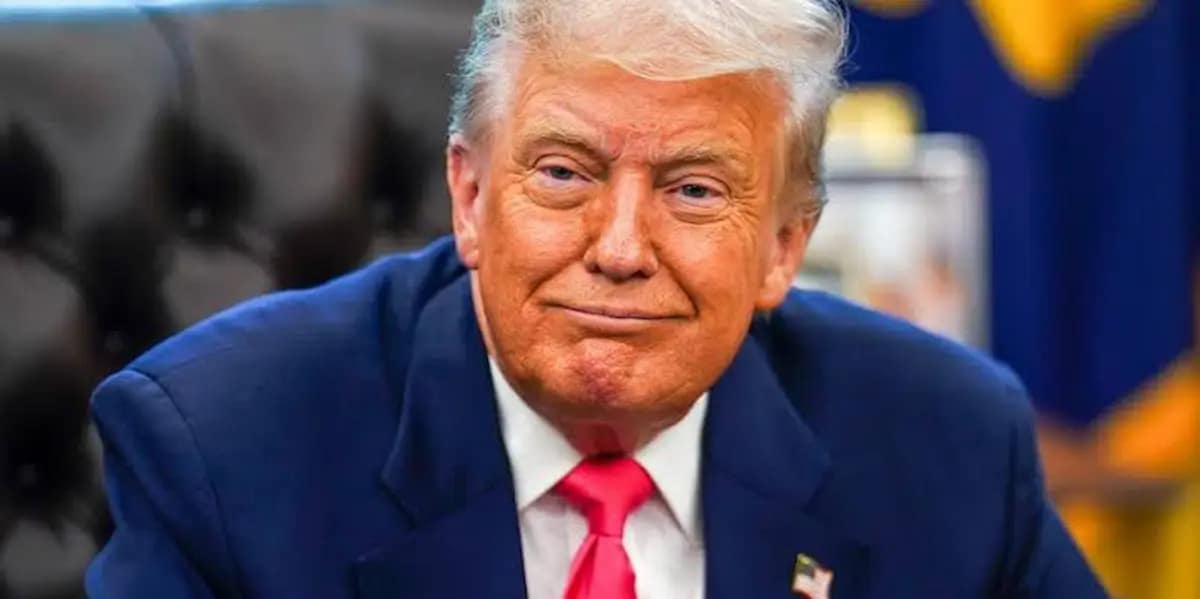
Trump’s pressure on the Federal Reserve has widened the risk around U.S. rates beyond the September decision itself.
If the Fed cuts, markets will judge whether the move is supported by inflation and growth data.
If it resists and raises rates, Treasury yields and the dollar would tighten financing conditions across economies that still depend on U.S.-priced capital.
Markets are currently leaning toward the second path. August payrolls rose by 162,000 against expectations of about 56,000, unemployment held at 4.1%, and traders raised the probability of a September increase to roughly 62%.
Treasury yields and the dollar moved higher after the report, pushing against Trump’s demand for cheaper money.
The trade threat raises the stakes further. Trump has said countries where the United States runs deficits could face restrictions if the Fed does not cut.
That puts major exporters to the U.S. under pressure while higher import costs risk keeping inflation firm enough to limit the scope for sustained easing.
Africa is exposed through the price of dollar capital. A hike would raise the benchmark for external borrowing and add pressure to currencies and refinancing.
A cut would improve conditions only if longer-term Treasury yields also fall. The outcome will be decided in Washington, but the financing consequences will not stop there.
A Fed Hike Would Raise the Price of Dollar Capital
The Fed entered September at 3.50%–3.75%, with three policymakers backing a quarter-point increase in July. Another increase would raise the U.S. benchmark that sits beneath much of the world’s dollar borrowing.
For African sovereigns, that changes the economics of returning to international debt markets. Eurobond issuance had recovered as financing conditions improved, reaching $14 billion in 2025 and another $5.5 billion in the first two months of 2026.
A higher Treasury benchmark would lift the cost of new debt before investors add country risk, making refinancing less attractive for governments with large maturities ahead.
The strain would extend to debt service. A stronger dollar increases the local-currency cost of servicing foreign obligations, particularly where revenues are earned domestically while liabilities are denominated in dollars.
That can leave central banks with less room to cut rates if exchange-rate weakness threatens to revive inflation.
The immediate risk for Africa is therefore not simply a higher Fed rate. It is a higher external funding floor imposed on economies that still rely heavily on dollar markets.
A Fed Cut Would Give Africa a Financing Window
A Fed cut would lower the hurdle for African borrowers returning to international markets, especially where sovereign risk has already begun to improve.
Lower U.S. rates reduce the reward for staying in short-term dollar assets and push investors to look harder at higher-yielding debt.
That shift matters for African issuers because borrowing costs are set not only by domestic risk, but also by the return available in U.S. markets.
The benefit would extend into private finance. Companies seeking longer-term capital would face less restrictive conditions, while banks relying on wholesale funding would operate with a lower external cost base.
That creates more room for credit to move into domestic investment rather than remain trapped by expensive funding.
The relief would still stop where weak fiscal positions and high sovereign spreads begin. A Fed cut does not remove country risk, and it does not repair shallow credit markets.
For Africa, the real value of lower U.S. rates is the financing window they create. The test is whether that cheaper money strengthens domestic capital markets before the next U.S. tightening cycle closes it again.
Trump’s Rate Demand Has Opened a Second Front on Trade
Trump’s rate pressure has moved beyond monetary policy. By threatening action against countries that sell more to the United States than they buy, the White House has added trade risk to the argument over lower borrowing costs.
The U.S. goods and services deficit widened to $88.6 billion in July, while the goods deficit reached $119.6 billion.
Some of the largest bilateral gaps were with major export economies, putting established trade relationships in the path of any policy response tied to those imbalances.
That matters for the rate outlook because tougher trade can work against easier money. Restrictions that raise import costs can keep inflation firm, leaving the Fed with less room to sustain cuts even if political pressure intensifies.
The first adjustment would come through trade itself. Exporters that depend heavily on U.S. demand would face the greatest risk, while buyers would look for alternative supply.
African producers may pick up business in markets where they are already competitive, but the larger effect for the continent would still come through shifts in demand and financing conditions.
Long-term borrowing costs remain outside the White House’s control. A lower Fed rate does not force the 10-year Treasury yield down, and investors can keep it elevated if inflation remains uncomfortable.
That would leave dollar finance expensive for borrowers further along the curve even after the policy rate falls.
The trade threat therefore adds a second test to Trump’s rate campaign: whether pressure on the Fed can lower borrowing costs without trade policy pushing inflation the other way.
Africa Cannot Set US Rates, but It Can Reduce Their Reach
Africa will not escape the next U.S. rate cycle because the dollar still sits at the center of its external financing.
What changes is how much damage each move in Washington is allowed to transmit into African borrowing costs.
That is why the next period of easier U.S. money will matter for more than refinancing. If governments use cheaper external funding simply to rebuild dollar exposure, the continent returns to the same vulnerability when Treasury yields turn higher again. If more financing is anchored locally, the next Fed tightening cycle carries less force.
The immediate rate decision belongs to Washington. The longer-term consequence does not. Africa’s real test is whether the next shift in U.S. monetary policy still has the power to reset the price of growth across the continent.


Recent Comments