

Featured Summary:
- Ghana oil refinery expansion reflects West Africa’s growing focus on refining rather than crude exports alone.
- Crude oil refining is becoming central to fuel security, industrial value retention and regional competitiveness.
- Export opportunities will depend on efficient refining, logistics and commercially sustainable fuel supply networks.
- The next energy leaders will be the countries that control downstream fuel markets rather than simply produce crude oil.
West Africa’s fuel market is entering a new competitive era as governments invest in refining capacity to reduce import dependence and capture more value from domestic crude production.
Ghana’s $1.98 billion Sentuo Oil Refinery development is part of that transition, with the privately owned project moving into a second expansion phase intended to lift processing capacity from 40,000 barrels per day to 100,000 barrels per day.
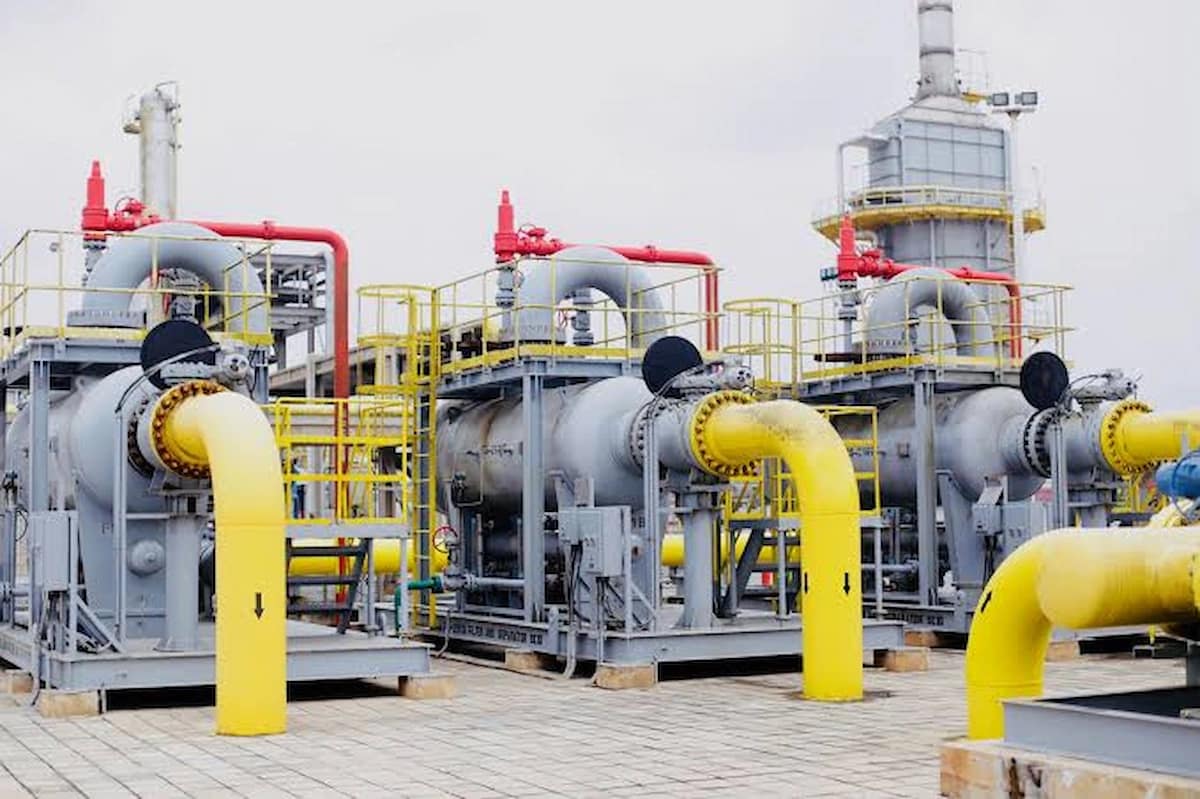
The Ghana oil refinery gives the country a larger platform for domestic fuel production, but construction scale alone will not determine its regional position.
Ghana must convert planned capacity into sustained output, competitive fuel prices and reliable distribution if it is to move from crude production toward a stronger role in West Africa’s downstream energy market.
How will Ghana Oil Refinery Reduce Fuel Import Dependence?
Ghana launched the second phase of the Sentuo Oil Refinery expansion in June 2026 after the existing facility reached an operational capacity of 40,000 barrels per day.
Phase Two is designed to add another 60,000 barrels per day, taking total planned capacity to 100,000 barrels per day.
The $1.98 billion value relates to the wider phased refinery development, while the additional capacity remains subject to construction, commissioning and commercial ramp-up.
No final commissioning date was stated in the official expansion announcement.
A larger Ghana oil refinery can reduce the volume of petrol, diesel, aviation fuel and liquefied petroleum gas purchased from international suppliers.
Domestic processing would give Ghana greater control over fuel availability during periods of shipping disruption, foreign-exchange pressure or volatility in global petroleum-product prices.
The refinery could also shorten supply routes and strengthen the ability of local distributors to respond to domestic demand.
Import substitution will depend on more than installed capacity.
The refinery must secure crude consistently, maintain high utilisation rates and produce fuels that meet national specifications at commercially competitive prices.
Refining capacity strengthens energy competitiveness when it replaces imported fuel reliably rather than simply increasing the number of barrels a facility is designed to process.
Can Crude Oil Refining Create More Value From Ghana’s Energy Resources?
Crude oil refining allows Ghana to capture economic activity that would otherwise occur after its petroleum leaves the country.
Crude exports generate revenue at the point of extraction, but refining converts that resource into petrol, diesel, aviation fuel, liquefied petroleum gas and other products with higher commercial value across transport, manufacturing, construction and power generation.
The Ghana oil refinery can also create demand across a wider industrial network.
Engineering companies, equipment suppliers, testing laboratories, maintenance contractors, storage operators and transport providers can earn recurring business from sustained refinery operations.
Petrochemical development could deepen those connections by supplying inputs to domestic manufacturers and reducing dependence on imported industrial materials.
Foreign-exchange savings will depend on the balance between the finished products Ghana no longer imports and the crude, equipment, catalysts and specialist services the refinery may still purchase from abroad.
Refining margins must also cover financing, energy, labour, maintenance and logistics.
Countries retain more economic value when they process crude domestically, but efficient production determines whether that value becomes a durable economic return.
Why is Ghana Oil And Gas Targeting Regional Fuel Markets?
Ghana’s domestic market provides an immediate destination for refinery output, but the planned capacity creates a larger commercial opportunity across West Africa.
Landlocked economies depend on coastal countries for petroleum supplies, while other regional markets remain exposed to long shipping routes and changes in international fuel prices.
Ghana’s position on the Gulf of Guinea and its access to inland transport corridors give its downstream industry a route into those markets.
The regional opportunity will be determined by the delivered cost of fuel rather than Ghana’s proximity alone.
Buyers compare refinery prices, product quality, port charges, storage costs, taxes, financing and inland transportation before selecting a supplier.
Ghana oil and gas companies must also compete with international commodity traders, established African refiners and distributors that already control customer relationships across the region.
Storage terminals, road networks, ports and cross-border trade systems will therefore carry as much commercial weight as the refinery itself.
Reliable supply contracts and efficient delivery could allow Ghana to serve distributors, mining companies, airlines and industrial customers across ECOWAS markets.
Regional competitiveness depends on controlling efficient fuel supply networks rather than crude production volumes alone.
Can Fuel Export Growth Support Ghana’s Refining Strategy?
Ghana already has a foundation for regional fuel trade.
The National Petroleum Authority reported that 232,794 metric tonnes of refined petroleum products were exported or transported to neighbouring countries during the first half of 2024, an increase of 36% from the corresponding period of 2023.
Burkina Faso accounted for 98% of the volume, showing that Ghana has an established export corridor but remains heavily dependent on one regional destination.
The country also had 22 bulk oil storage depots, yet their average monthly utilisation rate stood at 28% during the same period.
Additional refinery output could increase throughput across terminals and storage facilities, but physical capacity alone will not create a profitable fuel export business.
Port efficiency, terminal access, road transport, product standards and predictable trade regulation will influence whether Ghana can serve a broader group of regional buyers.
Export sales can support refinery economics by widening the customer base and spreading fixed operating costs across higher production volumes.
Profitability will still depend on whether export prices cover crude procurement, refining, storage, transportation, financing and credit risk.
Fuel exports become economically valuable only when refining capacity is supported by efficient logistics, reliable infrastructure and competitive regional markets.
Can Energy Security Turn Ghana Into West Africa’s Fuel Hub?
Energy security can strengthen Ghana’s position in West Africa’s fuel market, but regional leadership will require more than additional refinery capacity.
The country must connect reliable crude supply and efficient refining with storage terminals, ports, transport corridors and distribution networks capable of moving fuel consistently to domestic and regional customers.
Stronger downstream activity would create commercial opportunities beyond the refinery owner.
Logistics providers could benefit from higher product movements, while storage operators could improve terminal utilisation.
Engineering firms, maintenance companies and equipment suppliers could build recurring service businesses around refinery operations.
Fuel distributors, local refiners and any local oil company with dependable storage and cross-border market access could capture value closer to the final customer.
The $1.98 billion development can reposition Ghana within West Africa’s fuel race if planned capacity becomes commercially sustained production.
The regional market will reward the country that can refine efficiently, deliver reliably and compete on final cost.
West Africa’s future fuel leaders will be the countries that combine refining capacity with efficient downstream supply chains and commercially competitive fuel markets.


Recent Comments