

Featured Summary:
- Attacks near Hormuz and damage to Saudi Arabia’s oil pipeline threaten Gulf exports and alternative shipping routes
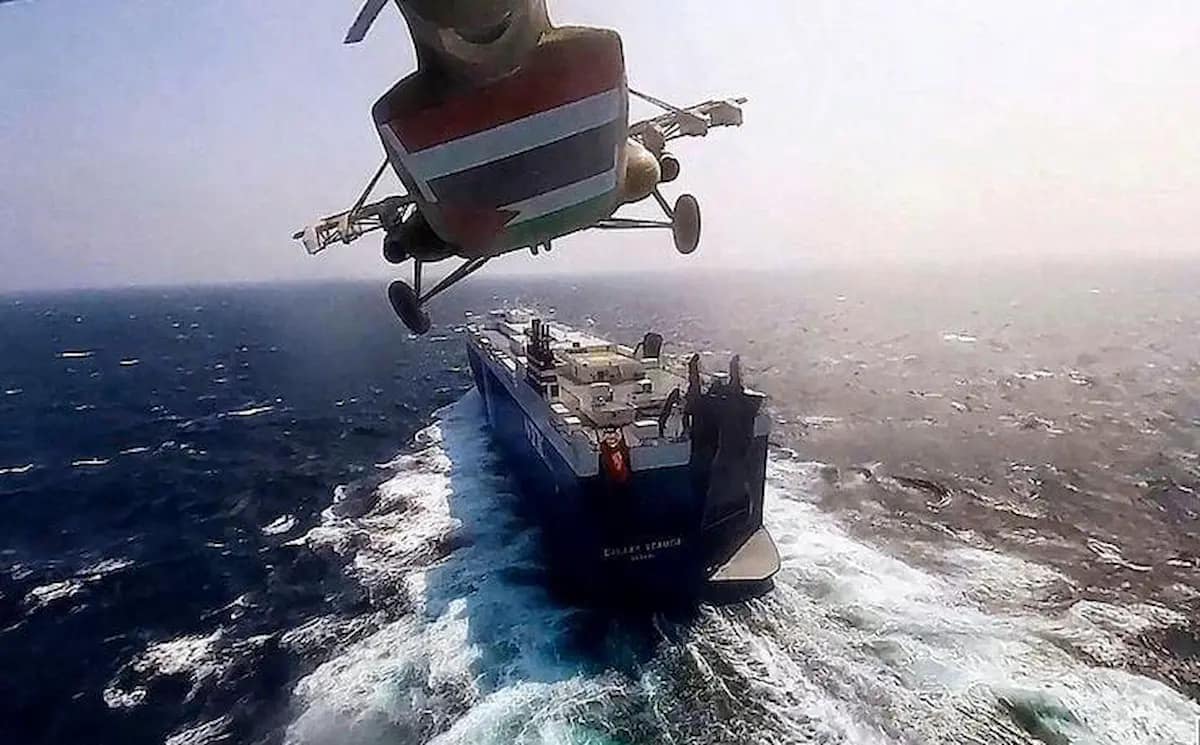
- Egypt’s support for Saudi Arabia comes as renewed Houthi attacks threaten the recovery of Red Sea shipping
- Suez Canal traffic is recovering, but major shipping routes remain disrupted and transport costs could rise further
- Prolonged disruption could leave fewer vessels available, delay cargo deliveries and weigh on global trade through 2027
Drone attacks on Saudi Arabia’s East-West pipeline on September 13 halted crude exports from the Red Sea port of Yanbu.
The pipeline carries Saudi oil across the kingdom, allowing exports to bypass the Strait of Hormuz, where attacks have disrupted commercial shipping. Operations resumed at reduced rates on September 22.
Egypt pledged support for Saudi Arabia against Houthi attacks on October 18. The Houthis warned Cairo against military intervention, while Egyptian lawmakers postponed a vote on authorizing military assistance until October 26.
Suez Canal traffic reached 1,228 vessel transits in September, up 21% from a year earlier but still 39% below pre-crisis levels.
Bab el-Mandeb recorded 1,215 transits, remaining 47% below its earlier level, according to Lloyd’s List Intelligence. Container traffic increased through Suez, while bulk-carrier activity weakened.
The recovery in Suez traffic has yet to extend across the region’s main shipping routes. With Gulf exports facing disruption at Hormuz and the infrastructure serving alternative ports, shipping capacity and cargo delivery schedules could face further pressure.
Saudi Pipeline Attack Exposes the Limits of Bypassing Hormuz
Saudi Aramco’s East-West pipeline was carrying 5.8 million barrels per day on October 6, below its 7 million-barrel capacity, according to Saudi Energy Minister Prince Abdulaziz bin Salman.
Three pumping stations were damaged in September, with repairs initially expected to take six to eight weeks. Tanker loadings at Yanbu had resumed.
The United Kingdom Maritime Trade Operations agency reported attacks on oil tankers near Hormuz on October 12 and 13, followed by strikes on two container ships on October 14.
Crude exports through the strait fell to 2.9 million barrels per day on October 11, from a September peak of 15.5 million, according to the Financial Times.
The UAE can transport 1.8 million barrels of crude daily through its pipeline to Fujairah, outside Hormuz.
Saudi Arabia and the UAE have the Gulf’s largest alternative crude export routes. Qatar, Kuwait and Bahrain lack comparable infrastructure, while Iraq relies heavily on its southern oil terminals despite having a pipeline route through Turkey.
About one-fifth of global LNG trade passed through Hormuz in 2024, according to the U.S. Energy Information Administration, with Qatar supplying most of those shipments.
Middle Eastern crude producers offered discounts to Asian refiners in October as freight and insurance costs increased, Reuters reported.
Higher delivery costs have weakened the competitiveness of Gulf oil against supplies from other regions.
Egypt’s Saudi Pledge Complicates Red Sea Shipping Recovery
Egypt’s proposed military support for Saudi Arabia could involve naval and air-defense operations, according to Reuters. The Houthis warned Cairo against intervention.
A Houthi missile struck a government military camp in Yemen’s Shabwa province on October 19, killing at least 53 soldiers. Saudi forces attacked Houthi-held oil facilities near Sanaa and the Red Sea port of Ras Isa.
A Chinese-operated container ship came under fire off Yemen on October 7, according to Lloyd’s List Intelligence. Its crew survived, and no group claimed responsibility.
Container ships made 314 Suez Canal transits in September, up 64% from a year earlier.
Premier Alliance returned two Asia–Northern Europe services to the Red Sea, although an estimated 65% of Asia–Europe sailings still avoid the corridor.
Bulk-carrier traffic has declined since July, according to Lloyd’s List Intelligence, partly because fewer Ukrainian and Russian cargoes are passing through the region.
Longer Shipping Routes Raise Costs for Global Commodity Trade
The Worldscale rate for very large crude carriers sailing from the Gulf of Oman to China fell to 776 on October 16, from 841 a week earlier, Reuters reported.
Indian refiners were paying $6–$7 a barrel to ship crude from Oman and Fujairah, compared with $2.60 before the war. Freight on shipments passing through Hormuz reached $16 a barrel.
Reuters reported on October 19 that freight accounted for as much as 30% of the delivered price of Middle Eastern crude, compared with the usual 3%–7%.
Some Asian refiners reduced processing or drew on inventories as transport expenses increased.
Drewry’s World Container Index rose 3% to $4,485 per 40-foot container on October 15. Shanghai–Rotterdam rates increased 6% to $3,522, while Shanghai–Genoa climbed 7% to $3,945.
UN Trade and Development estimated that diverting Asia–Europe vessels around the Cape of Good Hope adds about 12 days to a voyage and reduces effective container-shipping capacity by approximately 9%.
Restoring Oil Supply Will Not Be Enough to Restore Trade
Russian President Vladimir Putin has proposed meeting Donald Trump and Xi Jinping at November’s APEC summit in China.
The Kremlin confirmed discussions on October 19 but said no agreement had been reached on the meeting or its agenda.
Talks over Ukraine could eventually change sanctions on Russian energy exports, affecting supplies and shipping demand in Asian markets.
Washington has already eased some restrictions on Russian energy trade. Additional supplies could reduce pressure on international fuel markets, although attacks around Hormuz and Yemen would continue to affect maritime access. A settlement in Ukraine would not resolve those conflicts.
Shipping companies will also have to decide when to restore services through Suez. If security conditions improve, shorter voyages could release vessel capacity and reduce delivery costs.
Continued attacks would keep more ships on longer routes, with consequences for freight rates and cargo schedules into 2027.
The proposed summit may change the outlook for energy supply. The recovery of Middle Eastern trade will be determined by whether commercial vessels can safely return to the routes connecting Gulf producers with international buyers.


Recent Comments