

Last updated: May 17, 2026
Featured Summary:
- Africa fuel crisis pressure has intensified as Middle East tensions continue keeping global oil markets under strain.
- Fuel stability seen across parts of Africa, including Nigeria, weakened again as global crude prices pushed higher.
- Africa still has little control over the pricing of its own energy despite being one of the world’s largest crude-producing regions.
- African economies remain exposed to global oil shocks while richer economies continue shielding consumers through stronger fiscal and energy systems.
Global oil markets still determine how Africans access and pay for energy despite the continent’s vast crude reserves and expanding refining capacity.
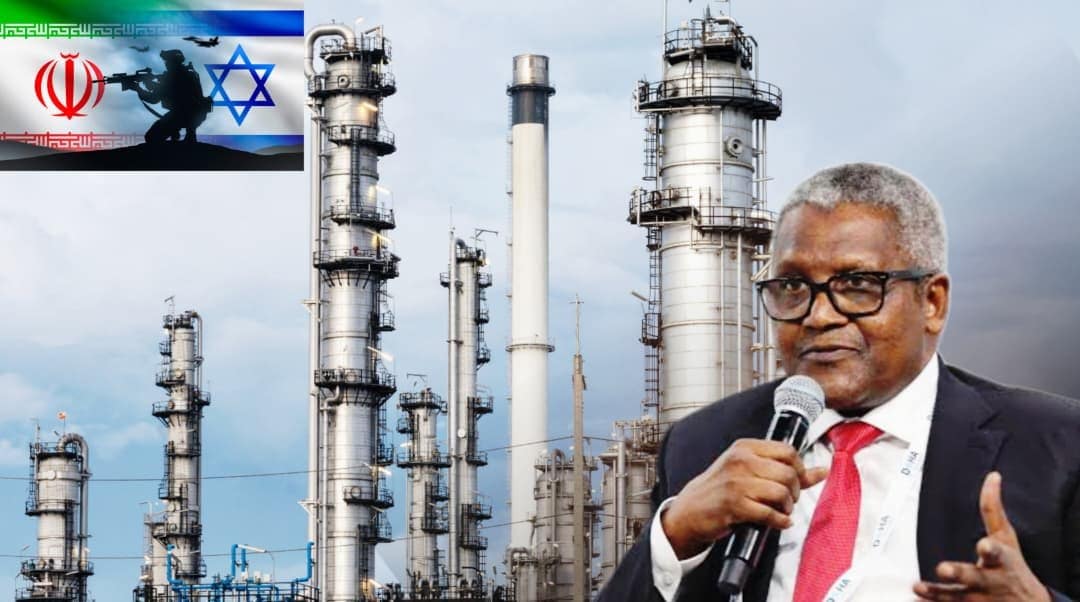
Renewed tensions in the Middle East have pushed crude prices higher again, tightening fuel pressure across African economies just as countries like Nigeria were beginning to see signs of stability from local refining expansion.
The pressure now facing Dangote Refinery reflects a wider Africa fuel crisis that persists despite local refining growth.
Africa may be refining more crude locally, but the continent still has little control over the global pricing system shaping how fuel is ultimately sold across its own markets.
Why Is Africa Fuel Crisis Pressure Rising Again Despite New Refineries?
Africa’s refining expansion has not insulated the continent from rising fuel pressure as global crude pricing continues shaping how energy is sold across African markets.
New refining projects were expected to reduce dependence on imported fuel and improve pricing stability, but renewed volatility in global oil markets is exposing how tightly African energy systems still remain tied to international crude benchmarks and dollar-priced oil markets.
The pressure now reaching consumers through Dangote Refinery reflects the operational structure of the global oil market itself.
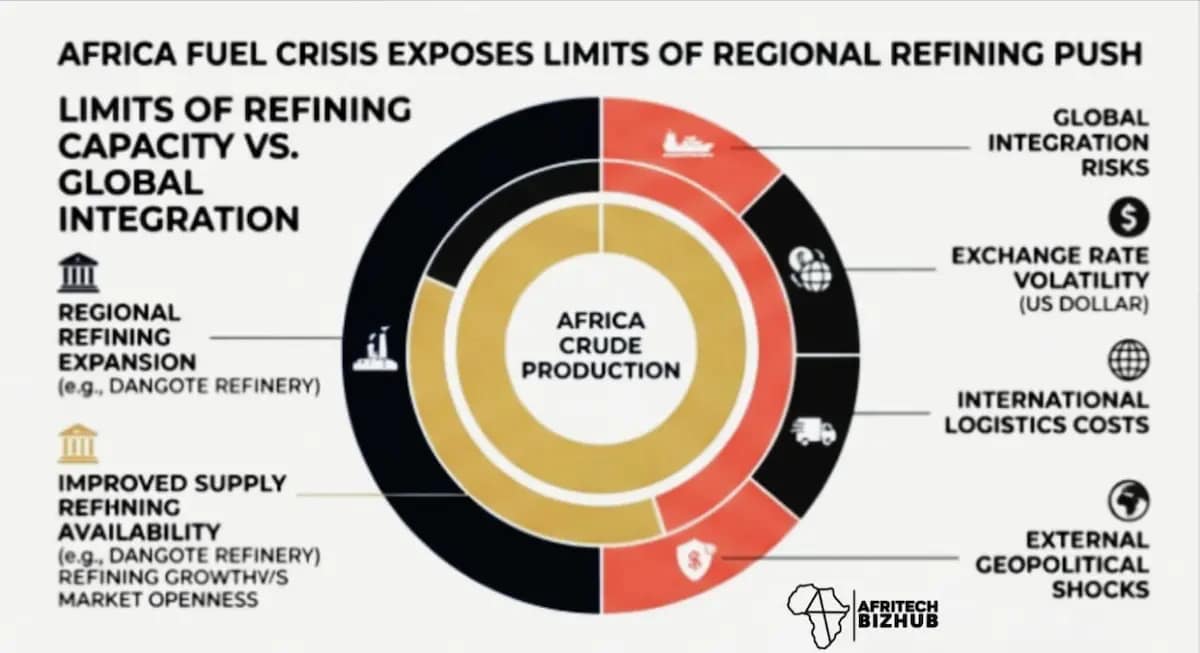
Refining capacity alone does not automatically translate into cheap fuel when crude prices, exchange rates, shipping costs, and international market benchmarks continue determining how fuel is priced.
Several African governments are already under fiscal pressure from debt obligations and shrinking subsidy capacity, leaving consumers more exposed to global energy volatility even as refining capacity expands across the continent.
How Is the Middle East Crisis Affecting Africa Fuel Prices?
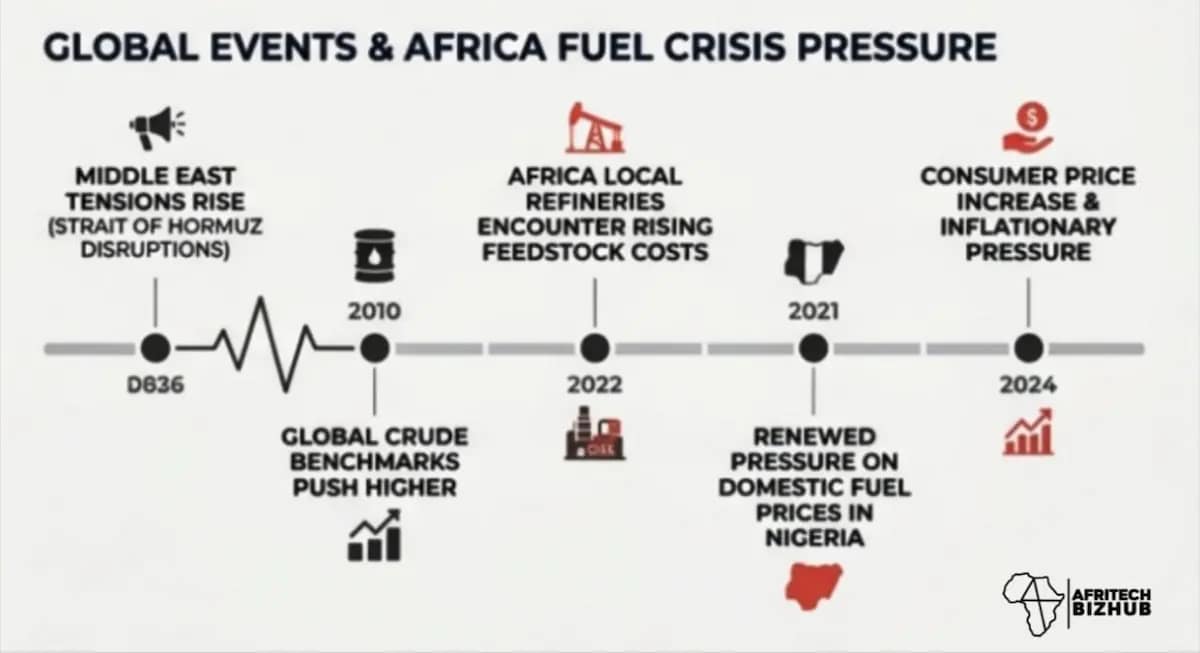
Renewed tensions between the United States and Iran tightened pressure across global oil markets after disruptions around the Strait of Hormuz raised fears over crude supply flows through one of the world’s most important energy corridors.
Roughly a fifth of global oil shipments pass through the strait, making any disruption around the route immediately visible across international crude markets and fuel pricing systems.
That pressure is now feeding directly into African energy markets as rising crude prices increase the cost of sourcing feedstock for refineries across the continent.
Africa’s growing refining capacity has not insulated local fuel markets from external oil shocks because pricing systems across much of the continent still remain tied to international crude benchmarks and global market volatility.
Why Does Africa Still Depend on Global Oil Pricing?
Africa’s expanding refining capacity has not translated into full control over how energy is priced across the continent.
Crude oil produced in African countries still moves through a global pricing system dominated by international benchmarks, dollar-based trade structures, shipping exposure, and external market pressure.
That structure continues shaping how fuel is ultimately priced for African consumers regardless of where the crude is produced or refined.
The result is a recurring Africa fuel crisis where local economies remain heavily exposed to global oil volatility even as refining capacity expands locally.
Several resource-producing economies across the continent still operate inside financing, export, and commodity systems tied closely to external capital markets and international trade structures.
Africa may control large crude reserves physically, but pricing power across global energy markets still sits largely outside the continent.
Can Dangote Refinery Shield Africa From Global Energy Shocks?
Africa’s largest refinery has improved fuel supply capacity across Nigeria and neighboring markets, but refining expansion alone has not insulated the continent from global oil volatility.
Fuel pricing across African markets still remains heavily exposed to international crude benchmarks, shipping pressure, exchange rates, logistics costs, and global energy disruptions that continue shaping how refineries source crude and distribute refined products.
The operational pressure facing refineries across Africa reflects how global oil markets still determine much of the continent’s energy pricing structure.
IMF analysis has repeatedly warned that higher global oil prices pass directly into domestic fuel markets and inflation across developing economies as energy costs rise through supply chains and transport systems.
Trade and Finance Proximity to refining infrastructure may reduce supply delays and logistics pressure across parts of Africa, but refining capacity alone has not yet delivered full protection from global energy shocks.
Is Africa Still Exposed to External Energy Volatility?
Africa’s refining expansion has not removed the continent from global energy volatility, as fuel pricing across African markets remains tied closely to dollar-based crude trade, international benchmarks, shipping costs, and external geopolitical shocks.
The recent pressure across oil markets exposed how quickly the Africa fuel crisis can worsen as global disruptions continue pushing fuel costs higher across African economies even as refining capacity expands locally.
Several African governments have reduced fuel subsidies under growing fiscal and debt pressure, leaving consumers more directly exposed to global energy pricing swings.
Nigeria’s recent fuel pressure despite the expansion of Dangote Refinery has reinforced a wider continental problem: refining capacity alone does not guarantee pricing control.
Africa may be producing and refining more crude locally, but global markets still determine much of the price Africans ultimately pay for energy.


Recent Comments