

Featured Summary:
- Renewable energy is moving closer to the centre of the Angola economy’s long-term strategy.
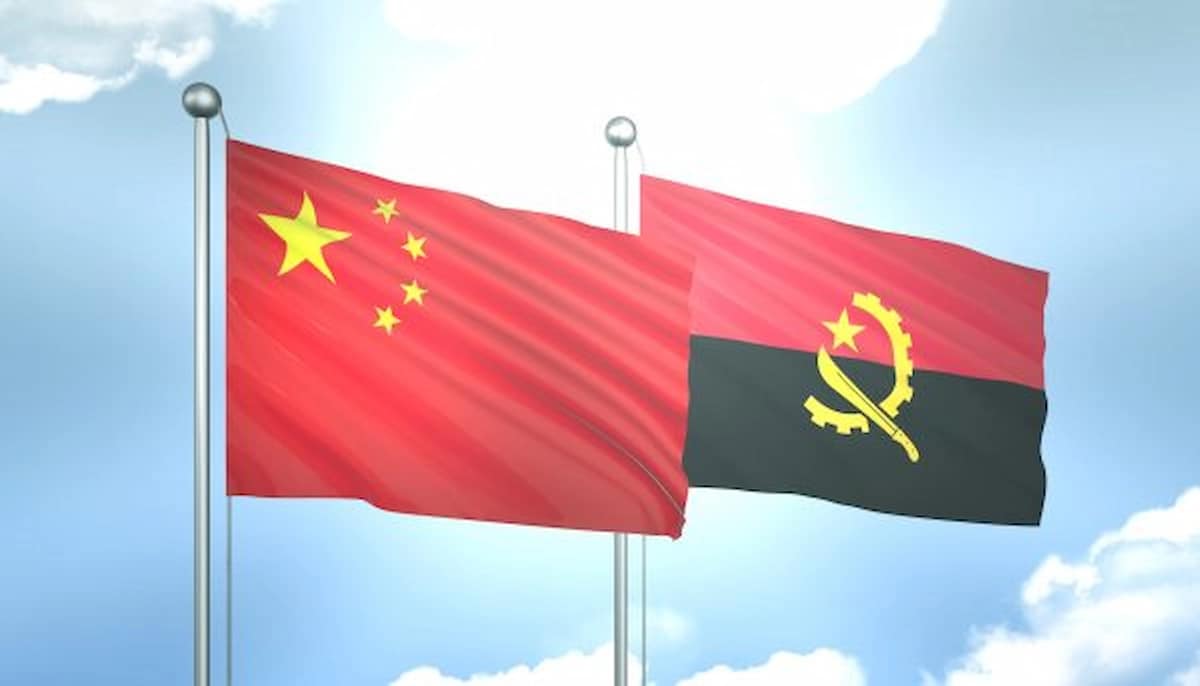
- The Angola economy is expanding cooperation with China beyond infrastructure and commodity projects.
- Angola exports remain a cornerstone of bilateral relations, but technology and industrial capability are gaining prominence.
- China Africa trade is entering a period where digital innovation could rival commodities in strategic importance.
The Angola economy is moving into unfamiliar territory.
For years, its relationship with China was defined by oil shipments, infrastructure construction, and reconstruction finance.
Those pillars remain intact, but the agenda is expanding.
Artificial intelligence, the Digital economy, and Renewable energy are claiming more space in bilateral discussions, signalling a partnership that is no longer confined to resource extraction and physical assets.
The development raises a broader question for policymakers and investors.
If technology begins to shape cooperation as much as commodities, the future of the Angola economy could depend on capabilities that cannot be measured in barrels of oil or tonnes of exports alone.
How Will Renewable Energy Transform Angola’s Future Growth?
Reliable electricity is becoming inseparable from industrial competitiveness.
Factories, logistics networks, digital infrastructure, and advanced services all depend on stable power supplies.
Strengthening Renewable energy capacity therefore supports far more than electricity generation.
It reinforces the conditions required for manufacturing, investment, and productivity to expand across the Angola economy.
The emphasis on Renewable energy also reflects a changing development strategy.
Growth is increasingly linked to the quality of supporting infrastructure rather than the volume of natural resources alone.
Why Is the Angola Economy Pivoting Toward Chinese Technology?
The Angola economy is extending its engagement with China into sectors that influence productivity rather than extraction.
Recent cooperation discussions have highlighted artificial intelligence, digital systems, and Renewable energy alongside more traditional areas of engagement.
The direction of travel suggests that technology is becoming part of the economic relationship rather than remaining a separate conversation.
That evolution carries implications beyond bilateral ties.
It positions technology as a tool for strengthening industrial capability, improving efficiency, and supporting a more competitive Angola economy while adding a new dimension to China Africa trade.
How Are Angola Exports Driving Stronger China Relations?
Angola exports continue to anchor commercial relations between the two countries.
Energy and commodity shipments remain central to bilateral trade, providing the economic foundation on which wider cooperation has been built.
At the same time, discussions increasingly connect Angola exports with industrial upgrading, investment, and innovation rather than viewing trade in isolation.
The combination is significant.
It links established export strengths with ambitions to broaden productive capacity, creating opportunities for the Angola economy to generate greater value from international engagement while reinforcing its position within China Africa trade.
Can the Digital Economy Redefine Angola’s Global Competitiveness?
Digital capability is becoming an economic asset rather than a technology objective.
The World Bank has consistently identified digital development as a driver of productivity, innovation, and inclusive growth, underscoring the importance of connectivity and digital systems in strengthening national competitiveness.
For Angola, the growing focus on the Digital economy reflects a wider recognition that competitiveness will increasingly be determined by technology, data, and innovation alongside traditional industries.
Why Is China Africa Trade Entering a Powerful New Era?
China Africa trade is broadening without abandoning its established foundations.
Commodities, infrastructure, and Angola exports continue to define much of the relationship, but technology cooperation, Renewable energy, and the Digital economy are steadily moving into the foreground.
The shift is not replacing old priorities. It is adding new ones that could shape long-term competitiveness.
The significance lies in the direction rather than the declaration.
Oil still anchors the partnership, yet technology is claiming more influence within it.
If that trajectory continues, future discussions around China Africa trade may focus as much on innovation and digital capability as they do on commodity flows, with the Angola economy positioned at the centre of that transition.


Recent Comments