

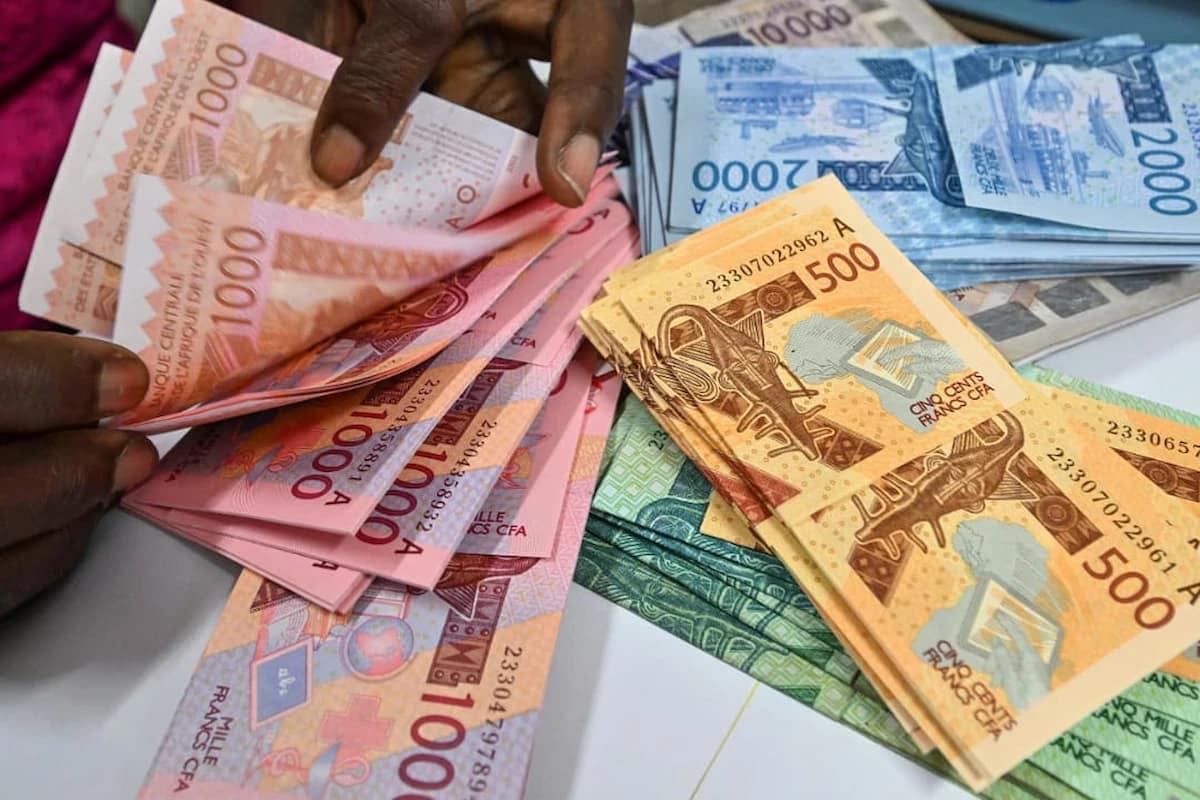
Featured Summary:
- CFA Franc arrangements continue to influence Monetary Policy across several West and Central African economies.
- The relationship between the CFA Franc and the French Treasury remains a focal point in debates over monetary sovereignty.
- Currency Reform discussions are increasingly centred on balancing stability with greater policy flexibility.
- The future of the West African Economy will depend on whether monetary frameworks can support both confidence and long-term development.
The CFA Franc remains one of Africa’s most closely scrutinised monetary systems.
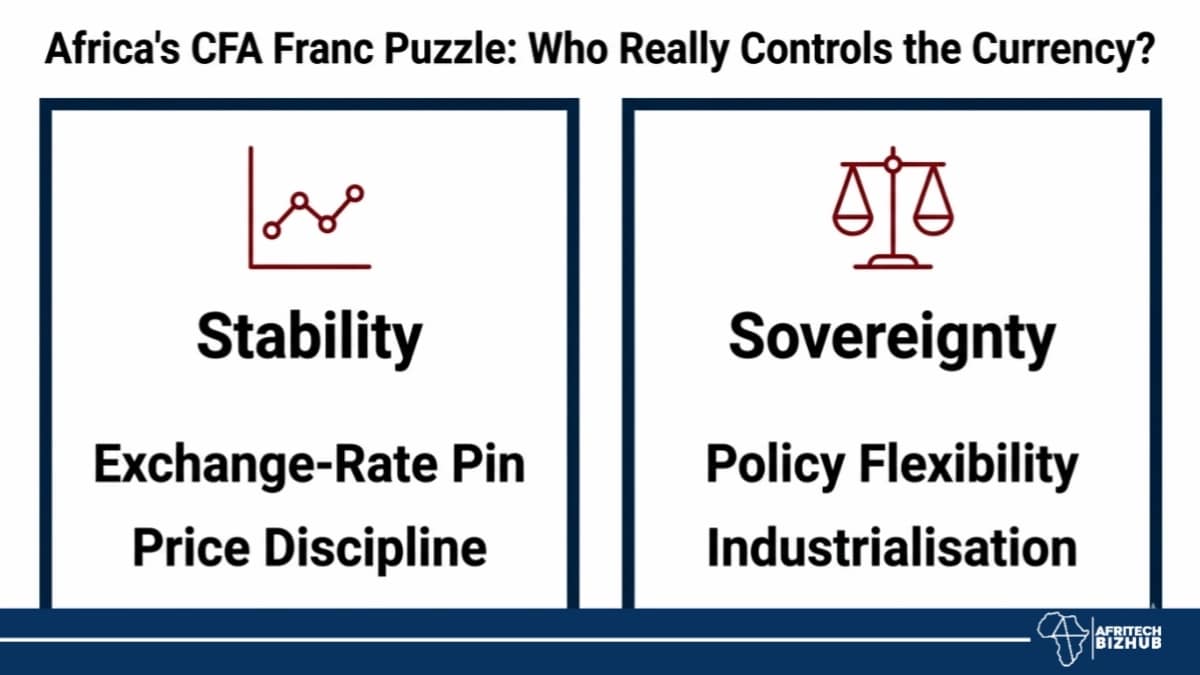
Its supporters point to decades of exchange-rate stability and price discipline, while critics question whether the framework provides sufficient flexibility for economies pursuing industrialisation, export diversification, and structural transformation.
The debate extends beyond currency management into broader questions about sovereignty, competitiveness, and African Development.
Those questions have become more prominent as governments across the region pursue deeper economic integration and stronger domestic production.
Stable Monetary Policy remains essential, but so does the ability to respond effectively to changing economic conditions.
How Does Monetary Policy Shape Africa’s Economic Future?
The CFA Franc places Monetary Policy within a regional framework designed to promote stability across participating economies.
Shared institutions provide consistency in inflation management and financial oversight, helping businesses and investors operate in an environment where exchange-rate predictability supports long-term planning.
Stable monetary conditions can strengthen confidence and reduce uncertainty for cross-border commerce.
The same framework also requires economies with different structures and priorities to operate under common monetary arrangements.
That balance between regional coordination and national flexibility remains central to continuing discussions around the CFA Franc.
H2: Why Does the French Treasury Still Influence CFA Franc?
The relationship between the French Treasury and the CFA Franc originates from historical monetary agreements established during the currency’s evolution.
Although reforms have modified aspects of those arrangements over time, including changes to governance and reserve management, the historical association continues to shape political debate and public perception.
Questions about monetary sovereignty therefore remain closely linked to discussions involving the French Treasury.
Day-to-day monetary operations, however, are conducted by African regional central banks.
The continuing debate focuses less on administrative control than on whether existing institutional arrangements remain appropriate for future economic priorities.
Can Currency Reform Unlock West African Economic Growth?
Currency Reform has become one of the most closely watched issues surrounding the CFA Franc because it raises questions about competitiveness as much as sovereignty.
Supporters of reform argue that greater policy flexibility could strengthen responses to domestic economic conditions and support industrial development, while preserving macroeconomic credibility remains essential for maintaining investor confidence and financial stability.
The challenge lies in balancing adaptation with continuity.
Successful Currency Reform requires institutions capable of protecting confidence while providing policymakers with tools that reflect evolving economic realities.
Is African Development Being Limited by the CFA Franc?
The Banque Centrale des États de l’Afrique de l’Ouest (BCEAO) defines price stability, financial resilience, and regional integration as central objectives of the monetary framework governing the CFA Franc.
Those objectives underpin efforts to support investment and strengthen the financial system across member states while maintaining confidence in the regional currency.
The institutional emphasis reflects a view that macroeconomic stability provides an essential foundation for sustainable growth.
The broader discussion continues because African Development depends on multiple factors operating together.
Monetary Policy influences investment and competitiveness, but infrastructure, governance, industrial capacity, and access to finance remain equally important components of long-term growth.
How Are France-Africa Relations Affecting Monetary Sovereignty?
France-Africa Relations continue to shape how the CFA Franc is viewed both within the region and internationally.
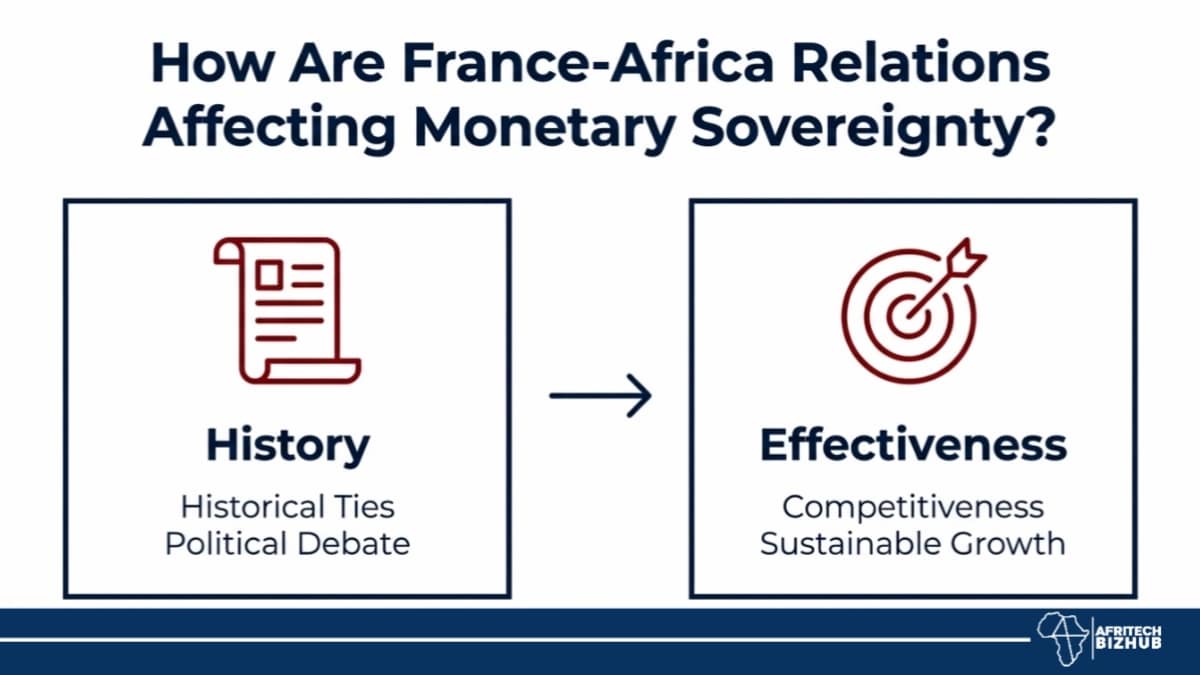
Historical ties ensure that debates over monetary sovereignty often extend beyond technical questions into wider discussions about economic independence and institutional evolution.
At the same time, governments and businesses remain focused on maintaining the financial credibility needed to support investment and regional commerce.
The defining question is becoming increasingly practical rather than political.
The CFA Franc will ultimately be assessed by whether it continues to provide the monetary conditions required for competitiveness, resilience, and sustainable growth.
As African economies pursue deeper integration and industrial expansion, the effectiveness of the framework may matter more than the history from which it emerged.


Recent Comments