

Featured Summary:
- The U.S. economy gets relief as July inflation cools despite higher energy costs
- Wall Street moved higher as traders shifted toward a September Fed hold
- Strong earnings and AI infrastructure spending are keeping capital concentrated in U.S. growth
- Hormuz is keeping oil expensive while global capital continues to favor America
July CPI gave investors a cleaner reason to stay with the U.S. growth trade. Headline inflation eased to 3.4% from 3.5% in June, core inflation held at 2.5%, and the market response kept capital concentrated in technology, semiconductors and other long-duration growth assets.
The important signal is not that inflation has disappeared. It is that the latest energy shock has not forced Wall Street to abandon the earnings and investment story still carrying the U.S. market.
Iran’s leverage over the Strait of Hormuz keeps oil inside the risk equation, but it has not changed where capital is clustering.
Investors are still backing American companies with strong earnings, large balance sheets and expanding AI infrastructure commitments even as energy stays expensive and economic growth slows.
July’s inflation print therefore shifts the immediate question away from whether the U.S. economy can absorb the war cost.
The harder test now is whether that capital concentration can keep extending growth while oil remains a geopolitical constraint.
Wall Street Is Keeping the U.S. Growth Trade Alive
Nvidia’s new financing platforms with Apollo, BlackRock, Blackstone, Brookfield, Goldman Sachs and KKR are targeting more than $500 billion for AI infrastructure, while Bank of America has launched a separate $250 billion U.S. infrastructure financing initiative spanning data centers, semiconductors, power and critical infrastructure.
Those commitments place some of Wall Street’s largest pools of capital behind U.S. productive capacity at a time when growth is slowing and geopolitical risk is still feeding into energy prices.
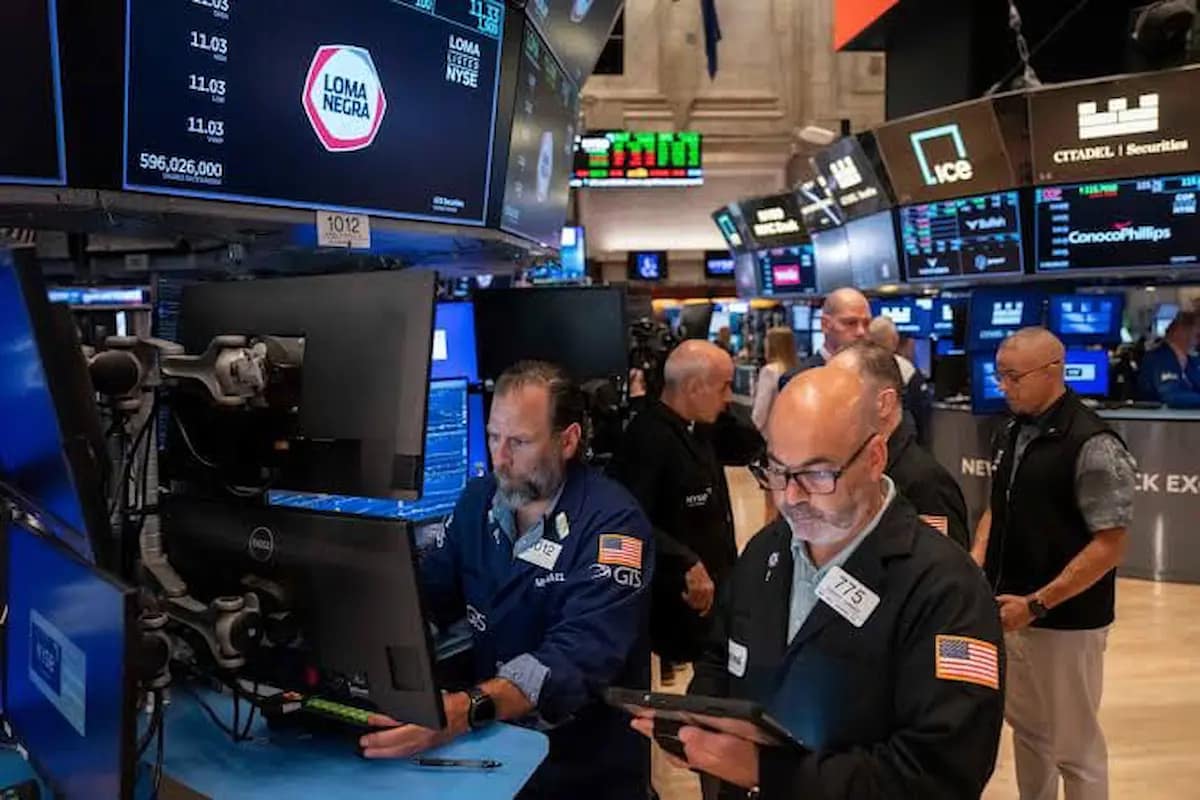
After July CPI, equities moved higher, semiconductors led the advance and traders leaned further toward a September Fed hold.
The dollar softened without triggering a broader exit from U.S. risk assets. Capital is still moving toward the next investment cycle in American technology and infrastructure while the Iran-war premium remains embedded in oil.
Corporate Earnings Are Carrying More of the U.S. Expansion
July CPI arrived while corporate earnings were already giving investors a stronger reason to stay exposed to the U.S. economy.
S&P 500 earnings growth has accelerated well beyond expectations, revenue is rising across every major sector, and the largest companies are still expanding despite slower GDP growth.
Global capital is responding to that earnings strength by staying concentrated in businesses with the balance sheets and cash flow to keep investing through a more expensive geopolitical environment.
Technology is where that positioning is most visible. CoreWeave’s higher spending plans, alongside continued demand for Nvidia, Micron and Broadcom, point to capital moving deeper into compute, data infrastructure and the systems supporting the next investment cycle.
July inflation reduced the risk of another immediate policy shock, giving those spending plans more room to run.
America’s advantage now rests less on broad economic acceleration and more on whether its most productive companies can continue converting earnings into investment while growth slows elsewhere.
Tehran’s Hormuz Leverage Is Still Raising the Cost of Growth
Iran is still carrying influence into the U.S. inflation outlook through oil. Brent remains elevated while traffic through Hormuz runs below normal levels, but Gulf producers are moving more crude through routes that avoid the strait.
Saudi Arabia is pushing additional barrels west through the East-West pipeline to Yanbu, while the UAE continues to use Fujairah outside Hormuz. U.S. refiners have also increased purchases of Middle Eastern crude arriving through alternative routes, limiting how much of the disruption reaches domestic supply.
The premium has not disappeared. It has become a cost the market is learning to route around.
Tehran can still tighten energy conditions, but every additional barrel moved through the Red Sea, Fujairah or other non-Hormuz infrastructure reduces the amount of global supply exposed to one chokepoint.
July CPI shows that pressure has not yet widened into another inflation break. Iran still controls an important cost lever; the U.S. and its suppliers are spending to make that lever less decisive.
The U.S. Economy Is Moving Forward With the War Cost Still Attached
July CPI leaves the U.S. economy with inflation easing at the margin, earnings still expanding and large pools of capital still moving into technology, infrastructure and productive capacity.
Oil remains the external cost, but it has not redirected the investment cycle.
Hormuz still carries an energy premium into the global outlook. Wall Street is still financing U.S. growth through it.
The next leg of the market begins with America paying more for energy while capital continues to build around its strongest companies.


Recent Comments