


Featured Summary:
- Verve card transaction failures have mobilised POS operators across Nigeria.
- Operators are challenging perceived market dominance and commission structures.
- A prolonged boycott could strain Financial services infrastructure and POS networks.
- Regulatory delays are entangling POS terminals in wider payment system tensions.
- Nigeria’s Payment ecosystem faces mounting pressure as operators signal coordinated disruption.
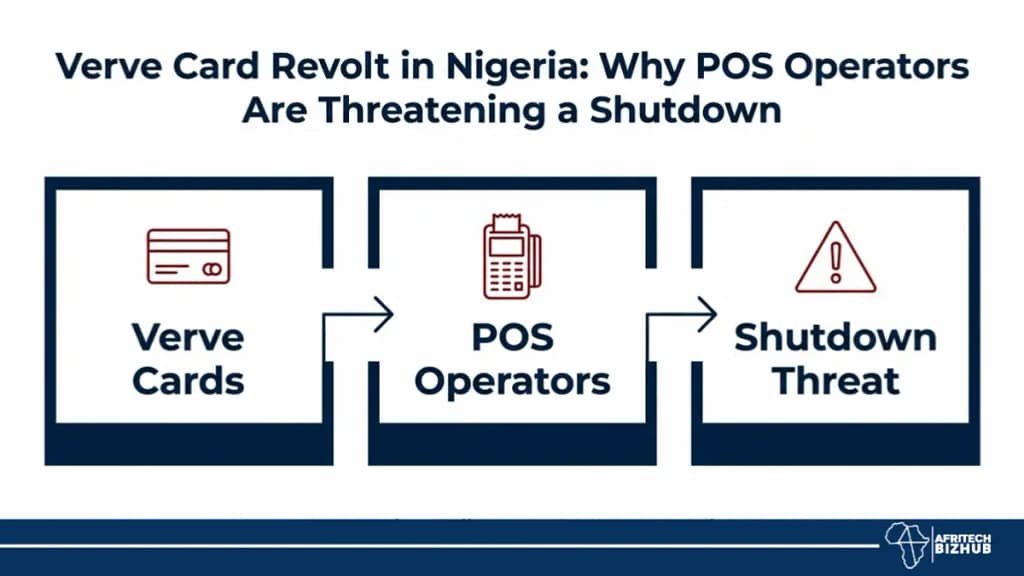
Nigeria’s payment infrastructure is under pressure as a dispute involving Verve card transactions and POS operators escalates.
Transaction failures declining commissions, and operational imbalances have mobilised operators threatening coordinated shutdowns.
The tension is clear: Nigeria’s digital payment ambitions require smooth transactions, yet the frontline enablers of those payments are signalling revolt.
The deeper question is whether this reflects an isolated disagreement or a systemic fault in the payment ecosystem.
Why Are Verve Card Transactions Facing Nationwide Disruption?
Over recent months, Verve card users and POS operators have reported increasing transaction failures, delayed settlements, and poor network responsiveness.
Each failed or rejected transaction imposes revenue loss and operational strain on operators without adequate compensation.
The disruption affects merchant trust and consumer confidence.
Small businesses reliant on fast, reliable payments are particularly exposed.
These breakdowns in transaction flow have catalyzed a wider mobilisation of POS operators threatening coordinated action.
How Are POS Operators Challenging Interswitch’s Market Dominance?
POS operators have long raised concerns about the dominance of established payment processors connected to Verve card infrastructure.
Concentrated processing power limits competition and reduces operators’ bargaining leverage.
When operators feel pressured by commission structures, delayed settlements, or fees, tensions rise.
While banks and technology providers benefit from broad network effects, POS operators, the frontline enablers of everyday payments, increasingly feel marginalised.
Can Financial Services Survive a Verve Transaction Boycott?
A sustained boycott could expose weaknesses in Nigeria’s Financial services framework. Banks, fintechs, and POS terminals are interconnected in real time.
Interruptions along major payment corridors may ripple across merchant acquiring banks, e-commerce platforms, and digital wallets that rely on consistent Verve card acceptance.
Financial services infrastructure can absorb limited shocks, but prolonged transaction failures threaten merchant liquidity, consumer confidence, and digital payment adoption.
Contingency measures such as alternative routing, settlement mechanisms, or emergency support may become necessary if operators follow through.
Why Are POS Terminals Caught in Regulatory Crossfire?
Nigeria’s payment ecosystem is overseen by the Central Bank of Nigeria (CBN), which sets guidelines for interchange fees, settlement timelines, and dispute resolution.
POS operators are contesting perceived delays in regulatory responses to transaction failures and compensation issues.
Compliance costs and standards enforcement also affect operator margins.
According to official CBN statements and industry oversight, regulators continue monitoring transaction quality and complaints to strengthen sector governance.
Is Nigeria’s Payment Ecosystem Heading for Another Crisis?
Nigeria’s Payment ecosystem has faced disputes over interchange fees and mobile money deployments before.
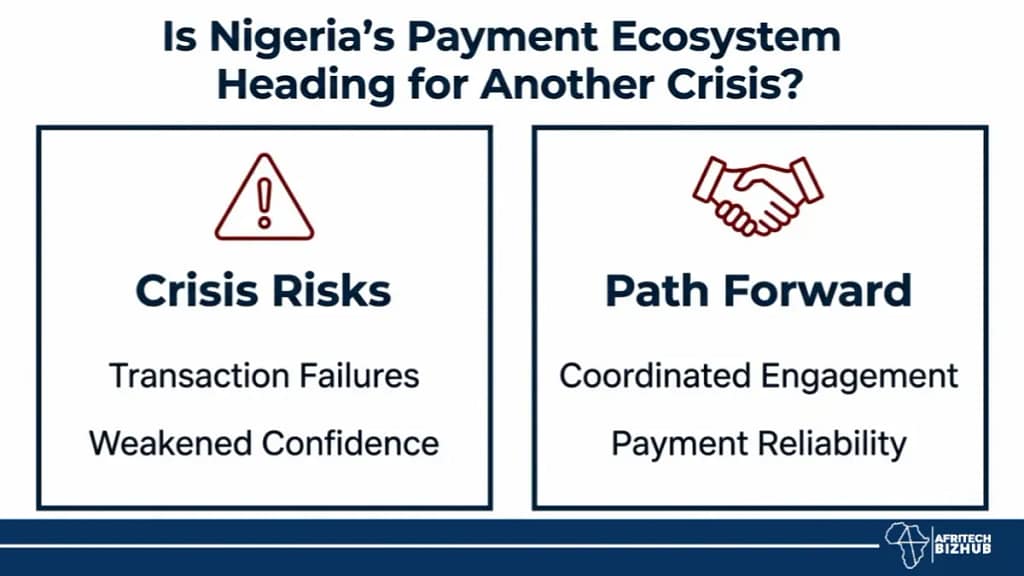
The current revolt around Verve card transactions signals misalignment among infrastructure, market incentives, and regulatory responsiveness.
If POS operators escalate without effective remedies, the risks extend beyond short-term failures: slower merchant adoption, weakened consumer confidence, and diminished trust in digital finance.
Coordinated engagement among operators, banks, technology providers, and regulators is essential to stabilise transactions while maintaining the role of frontline operators in the ecosystem.


Recent Comments