

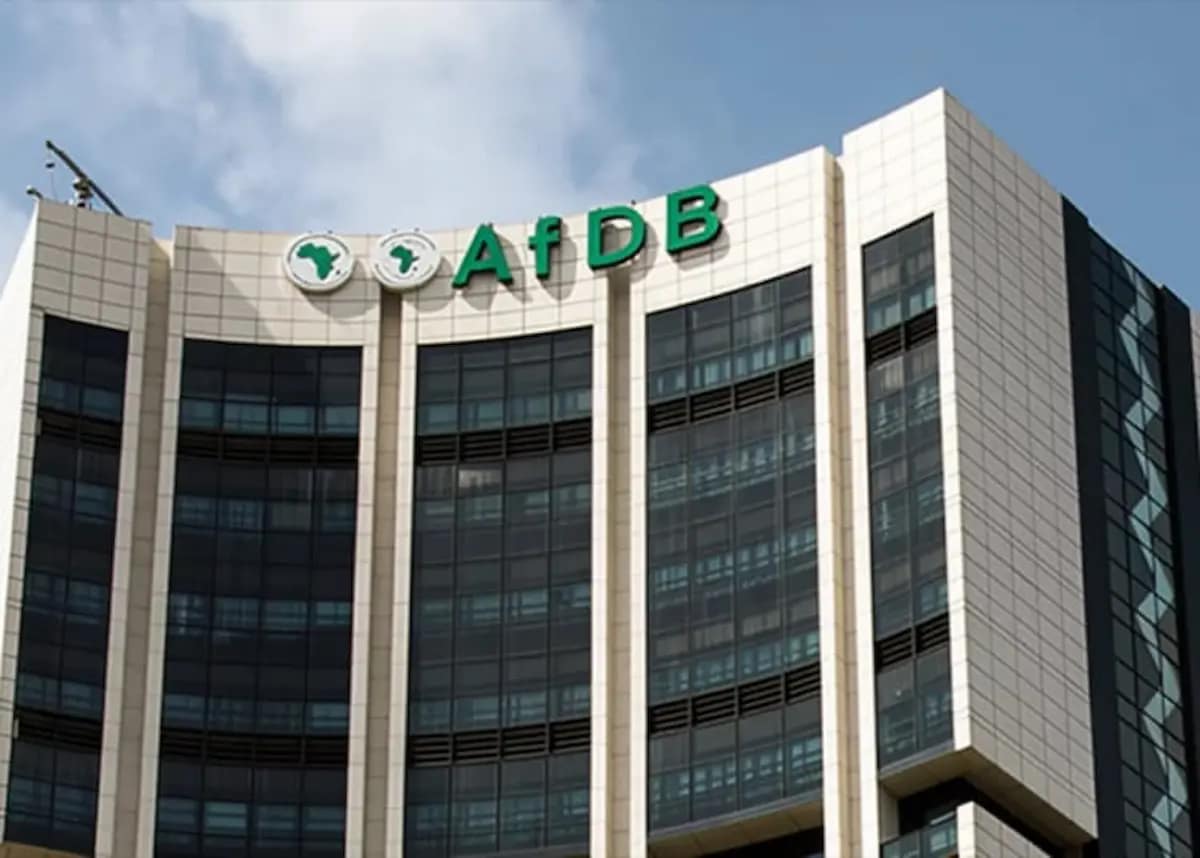
Featured Summary:
- Africa holds an estimated $4 trillion in domestic financial assets but faces a development financing gap exceeding $400 billion annually
- The AfDB’s new financial architecture seeks to mobilise African savings through investment instruments and regional guarantees
- Washington’s lending proposals could support energy and mineral projects, while international banking standards affect how banks finance investment
- Africa’s financing ambitions will depend on its ability to develop investable projects and manage risks within its own financial system
Africa holds more than $4 trillion in domestic financial assets but faces an annual development financing gap exceeding $400 billion, according to the African Development Bank (AfDB).
Commercial banks account for a substantial share of those assets, while pension funds and insurers must meet investment rules and obligations to savers.
The African Union endorsed the New African Financial Architecture for Development (NAFAD) in February 2026.
The Abidjan Consensus adopted in April proposed greater use of development banks, financial guarantees and investment instruments to channel African savings into productive projects.
Washington’s October proposals concerning IMF oversight and World Bank lending priorities could affect financing for energy and critical minerals.
European authorities have also adjusted Basel III trading rules, affecting the regulatory environment for internationally active banks.
Africa’s institutions must now develop financing arrangements that can draw on domestic capital without compromising the obligations owed to depositors, pension contributors and policyholders.
African Financial Institutions Seek to Turn Savings Into Long-Term Investment
The April 9 Abidjan Consensus proposed expanding credit guarantees and local-currency investment instruments, alongside measures to refinance existing assets.
It also called for standardised documentation for development projects seeking institutional financing.
The African Development Bank’s 2026 economic outlook estimated African pension and sovereign wealth fund assets at about $485 billion.
Allocating 5% to infrastructure and productive investment would amount to more than $24 billion, according to the Bank’s illustrative calculation.
Pension funds hold substantial amounts of government securities and face investment limits on infrastructure exposure.
Uncertain project revenues and a shortage of suitable long-term securities further restrict their investment choices.
At the May Africa Forward Summit in Nairobi, African leaders backed plans to expand the African Trade and Investment Development Insurance agency (ATIDI).
Kenyan President William Ruto called for its recapitalisation, while French President Emmanuel Macron supported a first-loss guarantee strategy.
The proposed guarantees would cover specified investment risks, allowing development banks and private investors to share potential losses.
Major infrastructure projects would still need financing from international lenders and development institutions.
World Bank’s Critical-Minerals Financing Plans Open New Questions for Africa
U.S. Treasury Secretary Scott Bessent called on the World Bank in October to reconsider restrictions on upstream oil and gas financing and expand support for critical minerals. The Bank has not adopted Washington’s proposed energy-policy changes.
On October 16, the World Bank Group announced plans to mobilise $19 billion for metals and minerals during fiscal 2026–2030, compared with $3.6 billion in the preceding five years.
The programme includes financing for mineral processing and supporting infrastructure.
Egypt, Malawi, Mauritania and Zambia were among eight countries announcing mineral-sector partnerships with the Bank.
The International Finance Corporation and Multilateral Investment Guarantee Agency are expected to support private investment alongside World Bank lending.
Debt terms, infrastructure ownership and local processing requirements remain unresolved for individual projects.
Africa Finance Corporation is pursuing investments in iron ore and uranium. Its mining chief, Franklin Edochie, said on October 16 that announcements could follow within six to twelve months.
AFC is also leading development of the Lobito Corridor linking mineral-producing areas in Zambia and the Democratic Republic of Congo to Angola’s Atlantic coast.
The World Bank’s $19 billion target covers countries beyond Africa and does not represent approved funding for individual projects.
International commercial banks will make separate lending decisions under their own regulatory requirements.
Basel III Rules Put African Banks’ Long-Term Lending Capacity Under Scrutiny
African commercial banks hold an estimated $2.5 trillion in assets, according to the African Development Bank.
Under Basel III’s standardised approach, project-finance exposures generally carry a 130% risk weight before operations begin and 100% once operational. Qualifying high-quality projects in the operational phase can receive an 80% weighting.
The Net Stable Funding Ratio places additional requirements on banks financing assets with long repayment periods.
Trade guarantees and letters of credit are treated as contingent commitments rather than ordinary funded loans, while corporate credit remains subject to risk-based capital requirements.
Europe’s temporary adjustments to Basel III market-risk rules concern trading activities rather than infrastructure loans.
African regulators retain responsibility for applying the international standards within their banking systems.
Credit guarantees and syndicated lending can reduce the exposure retained by individual banks.
Development finance institutions can provide longer-term funding or share project risks, allowing commercial lenders to participate without weakening prudential safeguards.
Africa’s Financing Ambition Faces a Test in Domestic Capital Markets
African financial institutions need deeper markets for local-currency infrastructure bonds, credit guarantees and long-term investment funds.
Pension funds and insurers require projects with dependable revenues and repayment terms that match their obligations to savers.
The African Development Bank’s new financial architecture will be judged by institutional capital committed, guarantees issued and infrastructure projects financed in local currencies.
Refinancing through domestic bond markets will show whether those investments can attract funding beyond their initial lenders.
Africa’s financing ambitions will be tested by projects that secure long-term domestic capital, repay investors and preserve the savings entrusted to its financial institutions.


Recent Comments