


Featured Summary:
- Brass’s collapse has pushed many SME customers toward more established fintech platforms.
- Paystack is emerging as a beneficiary of customer migration following Brass’s operational challenges.
- Nigeria’s fintech market is entering a phase where sustainability matters as much as growth.
- Trust and operational reliability are becoming key competitive advantages in digital banking.
Nigeria’s fintech sector built its reputation on rapid innovation, startup growth, and investor enthusiasm.
The collapse of Brass introduces a different conversation.
Customers, investors, and businesses are increasingly asking which companies can survive economic pressure, maintain reliable operations, and protect customer confidence over the long term.
The movement of Brass customers toward Paystack reflects more than a single company failure.
It signals a broader shift within the fintech industry from expansion toward resilience, sustainability, and operational trust.
Nigeria’s fintech challenge is no longer proving that innovation exists. It is proving that innovation can endure.
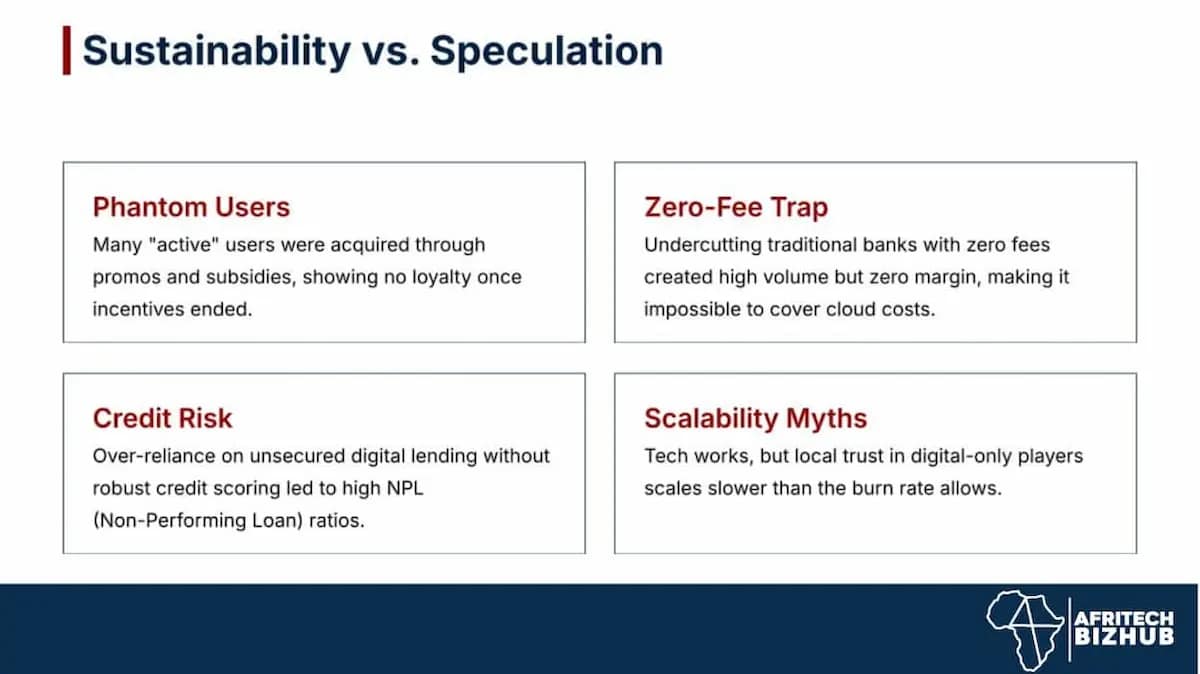
Why are Banking Startups Collapsing in Nigeria?
Banking startups face a difficult combination of challenges that extend beyond product development.
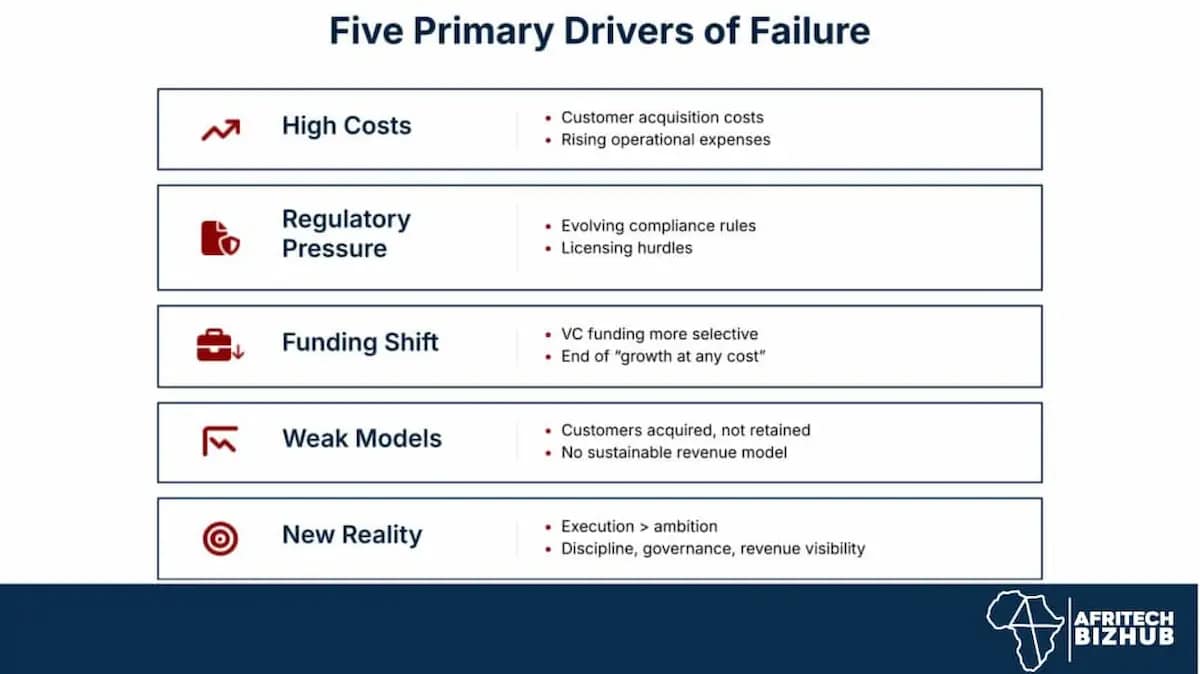
Customer-acquisition costs remain high, regulatory requirements continue evolving, operational expenses are increasing, and access to venture funding has become more selective than during the fintech boom years.
Many startups successfully attract customers but struggle to build sustainable business models capable of supporting long-term growth.
The market environment has changed.
Investors increasingly demand operational discipline, revenue visibility, and stronger governance rather than growth at any cost.
The collapse of individual startups does not indicate weakness across the entire sector.
It reflects a more demanding environment where survival increasingly depends on execution rather than ambition.
The era when capital could compensate for weak fundamentals is steadily fading.
How is Paystack Absorbing Brass Customers Today?
Paystack has positioned itself as an alternative destination for businesses affected by Brass’s operational difficulties.
The company introduced migration pathways designed to help eligible customers transition business operations with minimal disruption.
The significance of this move extends beyond customer onboarding.
Small and medium-sized enterprises depend heavily on stable financial infrastructure for payments, transactions, payroll management, and operational continuity.
When financial-service providers encounter serious difficulties, customers often prioritise reliability over loyalty.
Paystack’s ability to absorb migrating customers demonstrates the advantage larger fintech platforms can gain when market disruptions occur.
Scale increasingly provides resilience.
For affected SMEs, continuity matters more than brand preference.
Businesses rarely switch financial providers for convenience.
They switch because operational certainty becomes essential.
Why is Brass Paystack Acquisition Happening Now?
The migration of Brass customers toward Paystack is occurring at a moment when fintech markets are becoming more selective.
While the situation should not automatically be interpreted as a traditional acquisition, it reflects the growing tendency for customers to move toward providers with stronger operational track records when uncertainty emerges.
The timing is important. Venture-capital markets have become more cautious, profitability expectations have increased, and investors are paying closer attention to governance and sustainability.
Businesses that once prioritised innovation alone are now placing greater weight on reliability and financial strength.
Nigeria’s fintech sector is entering a phase where market share may increasingly be won through trust rather than marketing.
The strongest platforms are no longer simply attracting customers. They are attracting confidence.
How does SME Banking Change after Brass Exit?
SME banking becomes more concentrated when providers exit the market.
Businesses affected by the collapse of a banking startup often seek partners capable of offering stability, transaction reliability, customer support, and long-term service continuity.
The immediate impact is operational.
Businesses must migrate accounts, payment systems, workflows, and financial relationships.
The longer-term impact is strategic.
SMEs become more cautious when selecting digital financial partners and may place greater emphasis on company stability than they did previously.
The Brass situation may ultimately encourage SMEs to evaluate Nigeria’s fintech providers using the same standards applied to traditional financial institutions: trust, resilience, governance, and operational consistency.
That shift could prove more consequential than the collapse itself.
Is Digital Banking Trust Declining after Brass Collapse?
Digital banking trust is not necessarily declining, but customer expectations are changing.
The collapse of a fintech provider can damage confidence in individual platforms while simultaneously increasing demand for stronger, more reliable alternatives.
Trust remains one of the most important assets in financial services because customers place money, transactions, and business operations into systems they cannot directly control.
When operational failures occur, confidence becomes harder to rebuild than technology.
The deeper implication for Nigeria’s fintech sector is that growth alone is no longer sufficient.
Customers increasingly want evidence that providers can withstand economic pressure, manage risk, and maintain continuity during difficult periods.
The fintech companies most likely to succeed in the next phase of the market may not be those growing the fastest.
They may be those proving they can remain dependable when conditions become more challenging.
Nigeria’s fintech industry spent much of the last decade proving it could disrupt traditional finance.
The next decade may be defined by which companies prove they can outlast disruption itself.


Recent Comments