


Featured Summary:
- Mauritius is becoming more important to cross-border settlement as African fintech expands digital commerce infrastructure
- Payment gateways are becoming more important as businesses process transactions across multiple African markets
- Online commerce growth is increasing pressure on faster settlement and payments processing systems
- African fintech competition is moving beyond payments into the infrastructure supporting digital trade
Cross-border digital commerce across Africa is increasing pressure on where money moves, settles, and reconnects between markets.
As online payments expand across ecommerce, travel, financial services, and digital trade, settlement infrastructure is becoming more strategically important than transaction volume alone.
Mauritius is strengthening its position inside that shift through banking access, licensing structures, and payment networks supporting commerce flows between African markets and international financial systems.
Why Is Digital Payments Growth Surging In Mauritius?
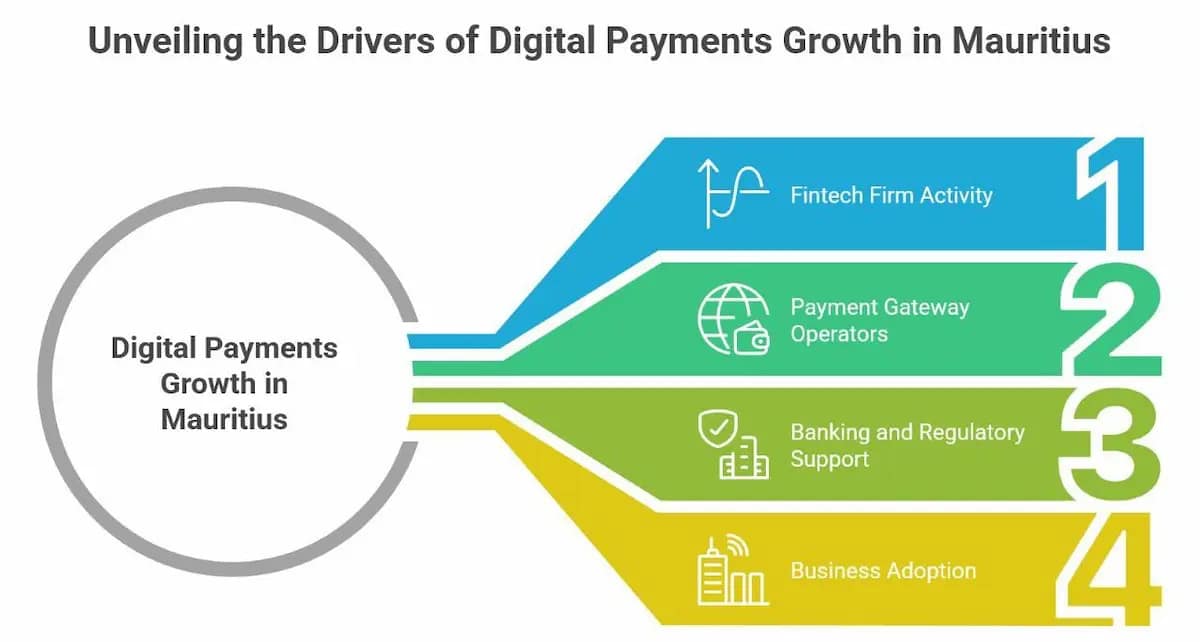
Digital payment activity is expanding in Mauritius because more businesses increasingly require infrastructure capable of supporting regional settlement, online checkout systems, and cross-border transaction processing.
Payment operators serving multiple African markets continue prioritizing environments with stronger banking access, international financial links, and fewer settlement frictions.
That positioning gives Mauritius a larger operational role than transaction volume alone suggests.
The country increasingly functions as a financial routing layer supporting ecommerce activity, merchant payments, remittances, and digital commerce moving across African and international markets.
How Does Payment Gateway Expansion Boost African Fintech?
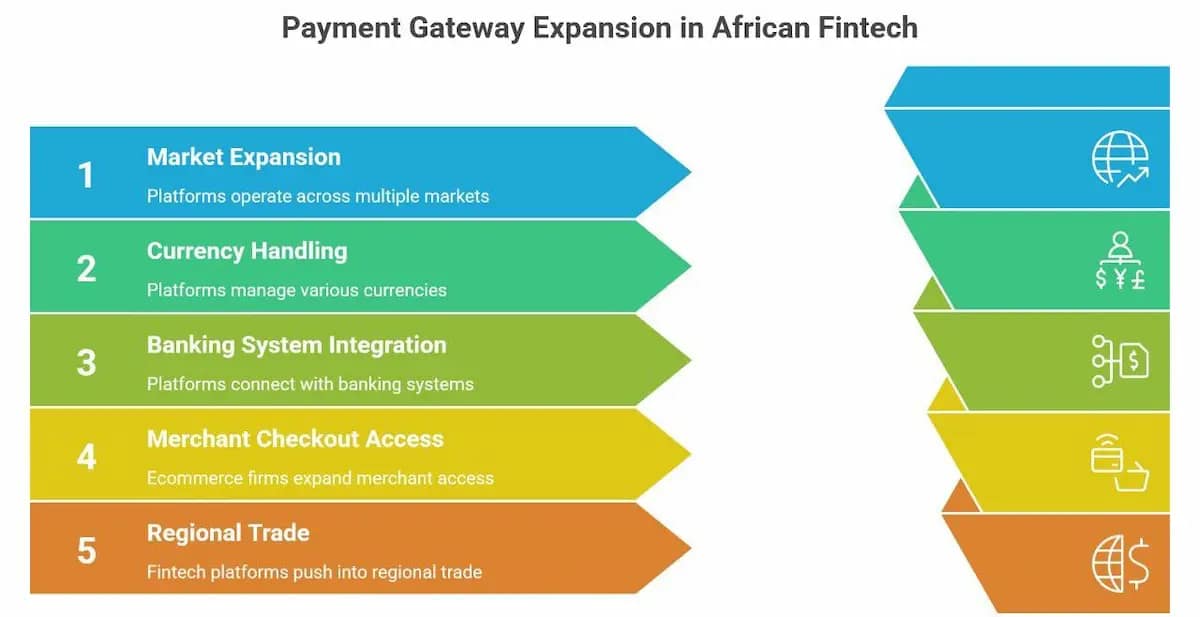
Payment gateways allow African fintech platforms to operate across multiple markets, currencies, and banking systems with fewer settlement delays and transaction-processing barriers.
Ecommerce firms, airlines, online retailers, and digital-services companies are expanding merchant checkout access faster as payment gateways simplify online payments handling across African markets.
Mauritius continues attracting payments-processing operators supporting regional fintech expansion through international banking access and settlement infrastructure.
Payment gateways now sit closer to the operational center of African fintech as online commerce platforms push beyond domestic payments into regional digital trade.
Why Are Online Transactions Increasing Across African Markets?
Online transactions are increasing across African markets as ecommerce platforms, mobile banking services, digital subscriptions, and internet commerce handle a larger share of consumer and business payments.
Businesses across retail, travel, logistics, financial services, and entertainment sectors are processing more digital payments as smartphone usage and internet commerce expand across African economies.
The AfricaNenda SIIPS report highlighted continued expansion in inclusive instant payment systems and stronger interoperability across African payment markets as digital transactions scale across consumers and businesses.
The shift is increasing pressure on payments infrastructure to support faster settlement, reduce transaction friction, and handle more regional commerce activity.
How Is Payments Processing Transforming Mauritius Businesses?
Payments processing now anchors a larger share of commercial activity in Mauritius as businesses across ecommerce, tourism, retail, and financial services shift more transactions through digital payments systems.
Faster settlement infrastructure and stronger payment gateway access are accelerating online commerce activity as businesses reduce dependence on slower traditional banking channels.
Mauritius is becoming more strategically important to African fintech because digital commerce increasingly depends on where transactions settle and how money moves across markets.
As cross-border activity expands, the stronger advantage may belong less to platforms processing the most payments and more to the infrastructure controlling how payments flow across African commerce networks.


Recent Comments