

Featured Summary:
- Africa Inflation is rising alongside Europe as higher energy prices push inflationary pressures across global markets
- The same energy shock is creating different economic consequences because African economies remain more exposed to imported inflation and currency pressures
- Interest rate hikes may help manage inflation expectations, but they cannot directly solve externally driven energy shocks
- The deeper challenge exposed by Africa Inflation may be economic vulnerability rather than inflation itself
Inflation is once again becoming a global concern.
Rising energy prices linked to escalating tensions in the Middle East are creating new inflationary pressures across both developed and emerging economies.
In Europe, the European Central Bank has responded with higher interest rates as policymakers attempt to prevent energy costs from spreading through the wider economy.
African economies are facing the same external shock. Yet the consequences are proving far more severe.
Higher fuel costs, weaker currencies, and growing import bills are creating pressure that extends beyond consumer prices.
The inflation shock may be global, but the ability to absorb it is not.
Why Is Africa Inflation Rising With Europe?
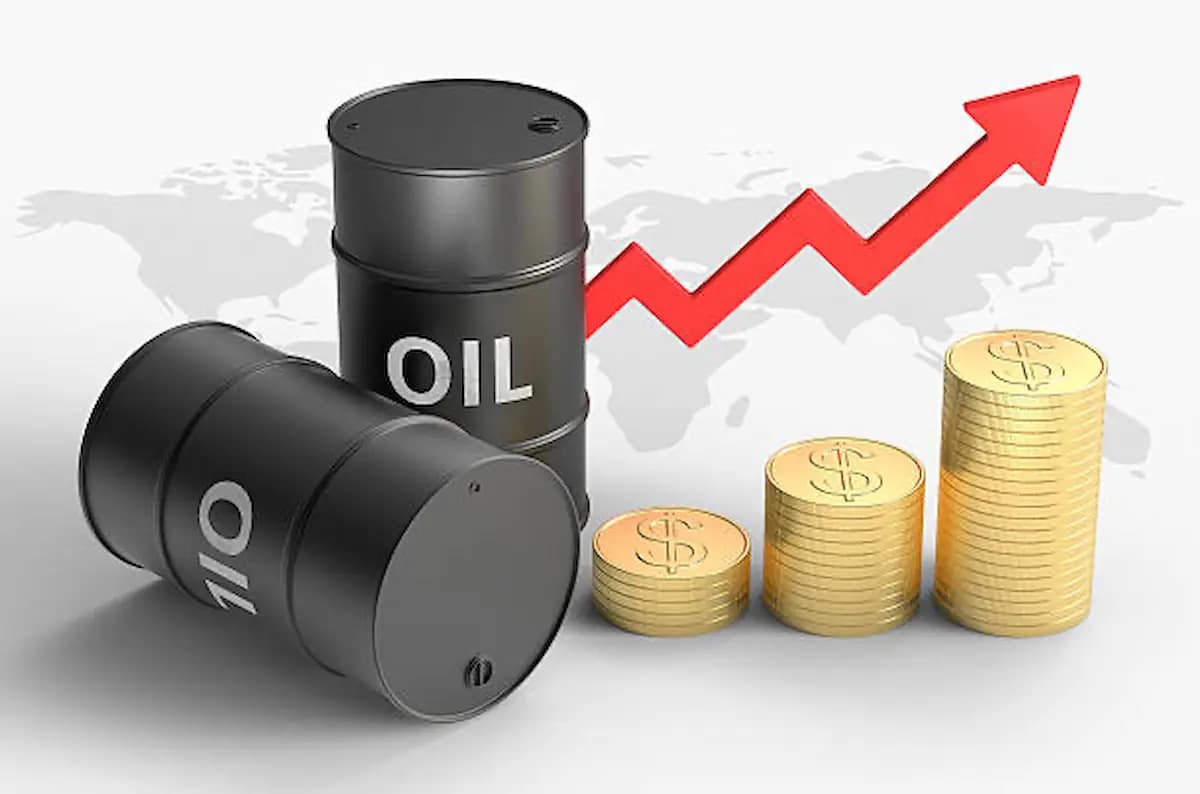
Escalating tensions in the Middle East have renewed concerns about global energy supplies, pushing oil prices higher and creating fresh inflationary pressure across international markets.
As fuel costs rise, the effects spread quickly through transport networks, supply chains, manufacturing, and consumer prices.
The resulting inflation pressures are appearing across both developed and emerging economies.
Europe and Africa may have very different economic structures, but they are responding to the same external shock.
The difference is not where the inflation pressure originates. The difference emerges after it arrives.
Why Does Africa Pay More for the Same Inflation Shock?
A rise in global energy prices creates inflationary pressure almost everywhere. Yet the economic impact rarely unfolds equally.
While European economies are dealing with higher fuel and consumer prices, many African economies face additional pressures that make the same shock more difficult to absorb.
Most energy imports are priced in dollars, meaning higher oil prices often arrive alongside greater pressure on local currencies.
As import costs rise, businesses pay more for fuel, raw materials, machinery, and transportation.
Those costs move through supply chains and eventually reach households through higher prices for goods and services.
The result is that the same inflation shock becomes more expensive once it reaches African economies.
Beyond higher prices, many countries must also contend with currency weakness, rising import bills, and production costs that increase faster than incomes.
What begins as a global energy shock can therefore create a much heavier economic burden across Africa.
Can Interest Rate Hikes Solve Africa Inflation?
Rising inflation is often followed by a familiar policy response: higher interest rates.
Central banks use borrowing costs to influence spending, credit growth, and inflation expectations, particularly when rising demand threatens to push prices higher across the economy.
The current inflation pressures facing many African economies are more complicated.
A significant share of the shock originates outside domestic markets through higher energy prices, imported goods, and global supply-chain disruptions.
While higher interest rates may help contain inflation expectations and support currency stability, they cannot directly lower the global price of oil or reduce the cost of imported fuel.
This creates a difficult balancing act for policymakers. Central banks are responding to inflation, but many of the forces driving Africa Inflation originate beyond their borders.
Managing the consequences may therefore be possible. Eliminating the source of the shock is a different challenge entirely.
What Does Africa Inflation Reveal About Economic Vulnerability?
The recent energy shock is exposing a reality that extends beyond inflation.
The International Monetary Fund has repeatedly warned that Sub-Saharan Africa remains highly vulnerable to external shocks, particularly movements in commodity prices and shifts in global financing conditions.
When disruptions occur in global energy markets, the effects travel quickly through economies that depend heavily on imported fuel, imported goods, and external supply chains.
The challenge is not simply higher prices. Many African economies remain exposed to events that originate far beyond their borders.
A disruption in the Middle East can affect fuel costs in East Africa. A change in global financing conditions can influence borrowing costs across the continent.
Inflation therefore becomes a symptom of a broader structural reality: external shocks often travel further and hit harder where dependence on imported essentials remains high.
The economies that absorb shocks most effectively are often those that depend less on external supply chains and imported necessities.
Africa Inflation is revealing vulnerabilities that extend beyond monetary policy, highlighting how exposure to global energy, trade, and financing systems continues to shape economic outcomes across the continent.
Is Africa Inflation Really an Inflation Problem?
Africa Inflation is becoming a test of economic resilience as much as a test of monetary policy.
The recent energy shock has shown that the countries under the greatest pressure are often not those that experience the shock first, but those least equipped to absorb it.
As global volatility becomes more frequent, the question may no longer be how quickly policymakers respond to inflation.
The bigger question is how quickly economies reduce their exposure to shocks they do not control.
The same energy shock is hitting Africa and Europe. The difference is not the shock itself. The difference is how much economic protection exists when the shock arrives.


Recent Comments