

Last updated: May 16, 2026
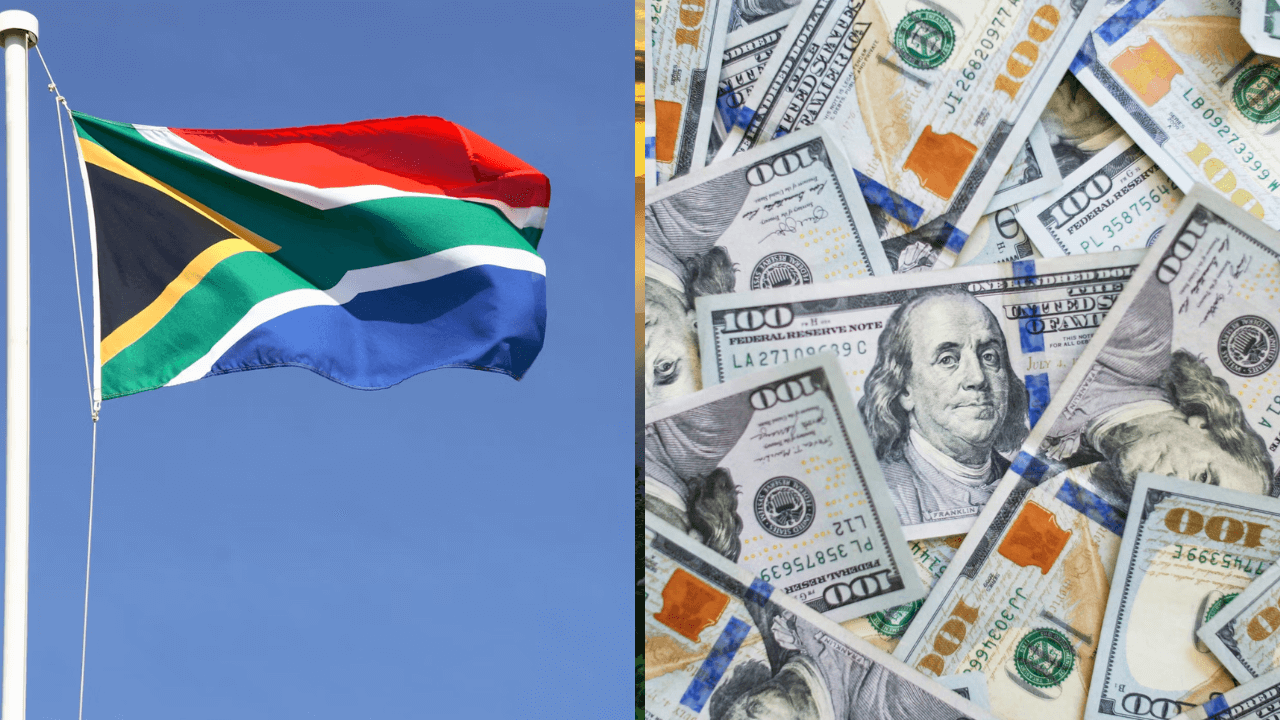
South Africa’s Budget Strengthens the Rand, Testing Fiscal Credibility in a Tight Liquidity Cycle
Featured Summary:
- U.S. inflation at 2.4% keeps rate cuts limited, supporting yields and the dollar.
- South Africa’s 2026 budget compressed spreads, signaling selective sovereign repricing.
- IMF sees stronger Africa growth, but funding conditions remain tight.
- Emerging markets stay in rotation mode until U.S. yields materially decline.
U.S. inflation is running at 2.4%, above the Federal Reserve’s 2% target, reinforcing that rate cuts are not imminent and keeping Treasury yields supported.
Mortgage costs remain elevated, savings yields stay firm, and the dollar retains structural strength. Global liquidity is not expanding, it is constrained.
That backdrop complicates the IMF’s recent projection of firmer Africa economy growth in 2026, which was premised partly on easing dollar pressure.
Within this tighter regime, emerging markets must earn capital. South Africa’s budget strengthened the rand and steadied bond yields, signaling fiscal credibility can still attract flows. This is selective repricing, not a broad rally.
Fed Holds the Line — Liquidity Stays Tight
January inflation at 2.4% keeps the Federal Reserve cautious. Rate-cut expectations have narrowed, real yields remain positive, and the dollar retains structural support.
U.S. savings products continue to benefit; borrowing costs remain elevated. The liquidity regime is restrictive.
Restrictive liquidity compresses risk tolerance. Sovereign spreads remain sensitive to Treasury moves, and emerging-market currencies react quickly to dollar strength.
Capital is not rotating broadly into risk assets, it is discriminating. Fiscal credibility attracts relative stability; external funding dependence amplifies pressure. This is repricing under tight money, not expansion.
South Africa Budget Reprices Risk
South Africa’s latest budget functioned as a credibility reset rather than a stimulus event. Clearer debt trajectory guidance and fiscal consolidation signals reduced uncertainty around sovereign sustainability.
The rand strengthened and local bond yields compressed, indicating a decline in perceived risk premium rather than a surge in growth expectations.
This repricing remains relative, not structural. The dollar’s strength and U.S. real yield levels continue to anchor global capital allocation decisions.
South Africa can attract selective inflows through fiscal discipline, but it does not escape the global liquidity regime. The move reflects risk differentiation inside emerging markets, not a break from dollar gravity.
Capital Rotation, Not Expansion
IMF projects Africa’s growth near the mid-4% range in 2026. The recovery unfolds under restrictive global liquidity. U.S. real yields remain positive, the dollar retains structural support, and funding conditions are disciplined.
Capital is not expanding into emerging markets, it is reallocating within them.
Risk premia are adjusting selectively. Spread compression follows fiscal clarity and debt stabilization, not growth narratives. South Africa’s recent repricing reflects relative credibility, not a shift in the global regime.
Liquidity remains scarce. Competition for capital defines the cycle.
Emerging Markets Remain in Repricing Mode
U.S. inflation above target and continued Federal Reserve caution keep global liquidity constrained. Real yields remain positive and the dollar retains structural support.
Emerging and frontier markets — including Africa — compete for capital rather than absorb expansion.
A durable shift requires sustained disinflation and declining U.S. yields. Until then, allocation decisions will be driven by fiscal credibility, external balance strength, and policy discipline. The cycle is defined by selective capital rotation, not broad risk expansion.


Recent Comments