

Featured Summary:
- Airtel Africa is expanding digital education by connecting schools instead of only consumers.
- School connectivity is becoming part of Africa’s long-term digital infrastructure.
- Digital learning is strengthening the future workforce needed for Africa’s digital economy.
- The countries connecting classrooms today are investing in tomorrow’s technology economy.
Africa spent years expanding mobile networks and internet coverage, yet millions of students remained outside the digital economy because connectivity rarely reached the classroom itself.
Internet access alone did not create digital learning, leaving schools disconnected from the technologies shaping future work, innovation and economic growth.
Airtel Africa’s education initiative reflects a broader shift in digital infrastructure.
Telecommunications companies are no longer measured only by the networks they build, but by the institutions they connect.
Schools are becoming part of Africa’s digital infrastructure because the continent’s next economic advantage depends on developing digitally skilled citizens alongside digital networks.
How is Airtel Africa School Connectivity Expanding Internet Access?
Africa’s digital infrastructure story is moving from network coverage to productive access.
Connecting households and mobile subscribers expanded the reach of the internet, but connecting schools changes what that access can produce.
A classroom with reliable connectivity becomes part of the education system, the labour market pipeline and the future digital economy.
Airtel Africa is expanding internet access by placing schools inside that infrastructure map.
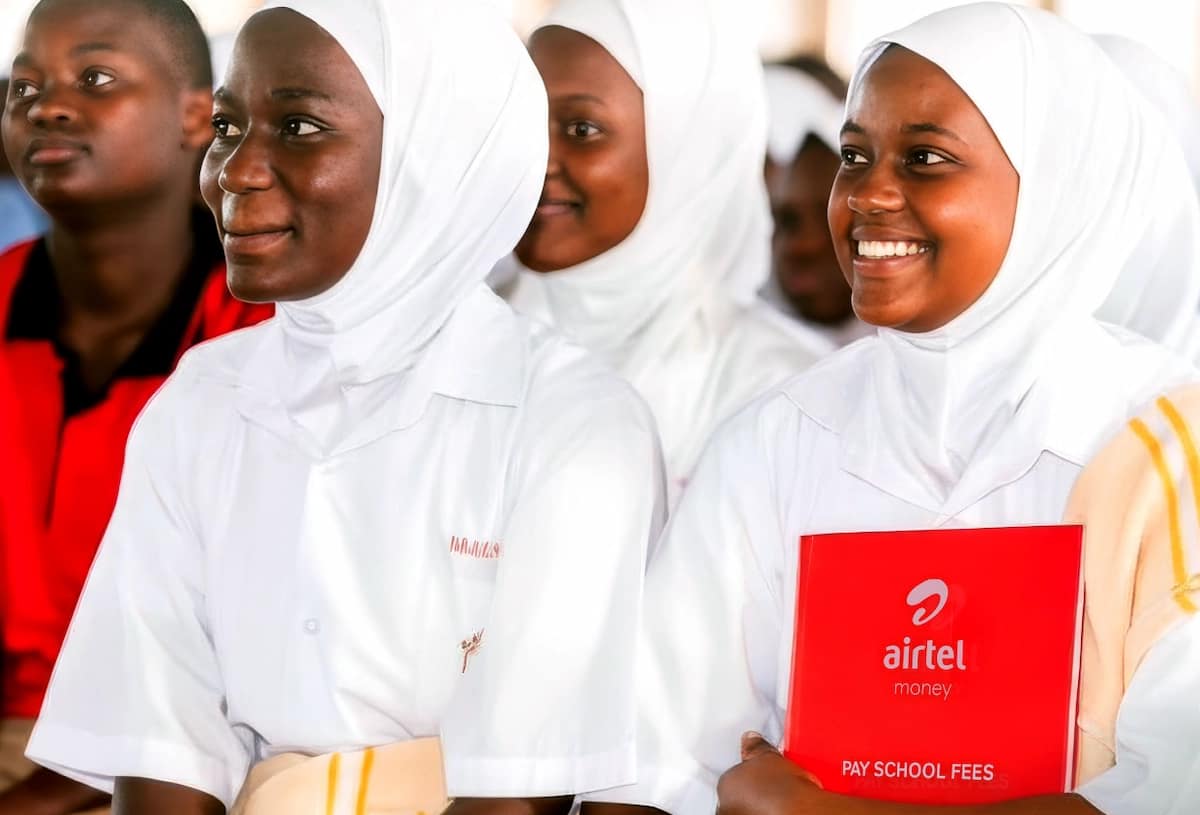
Through its UNICEF partnership, the company is connecting schools to the internet, supporting zero-rated learning platforms and helping teachers use digital tools in classrooms.
That changes connectivity from a consumer service into education infrastructure. The value is not only that students can go online.
The value is that learning institutions can begin using digital systems to build capability at scale.
Why is Airtel Africa School Connectivity Benefiting Millions Of Learners?
School connectivity benefits learners because it expands what education can deliver beyond the physical classroom.
Connected schools can access digital learning platforms, remote learning tools, online educational resources and teacher-support systems that improve how lessons are delivered.
Students are no longer limited only to printed materials, local classroom resources or the availability of specialist teachers in their immediate area.
The economic effect is larger than education access alone.
Digital learning strengthens the future workforce by exposing students to the tools, platforms and skills increasingly required across modern industries.
Airtel Africa’s 2026 Sustainability Report says 2.1 million schoolchildren accessed the internet and online educational platforms in 2025/26 through the UNICEF partnership, while more than 38,800 teachers were trained during the year.
That places school connectivity inside Africa’s long-term productivity story, because digital competence is becoming a basic requirement across modern work.
Which Countries Are Joining Airtel Africa School Connectivity Initiative?
Airtel Africa’s school connectivity initiative is operating across 13 African countries, giving the programme a regional scale that goes beyond isolated national projects.
UNICEF identified the participating countries as Chad, Congo, the Democratic Republic of the Congo, Gabon, Kenya, Madagascar, Malawi, Niger, Nigeria, Rwanda, Tanzania, Uganda and Zambia.
The spread matters because digital education becomes more powerful when countries build comparable learning infrastructure across multiple markets.
Regional scale also strengthens Africa’s long-term talent pipeline.
Airtel Africa’s 2026 Sustainability Report says the partnership has connected 3,296 schools since launch, including 1,028 new schools connected in 2025/26.
It also says 64 government-approved online educational programmes were zero-rated across 13 countries as of March 31, 2026.
That creates a wider base for students and teachers to access digital learning without data costs becoming the main barrier.
The opportunity is not only more connected schools.
It is a broader generation of learners entering the digital economy with stronger exposure to technology.
How Does Airtel Africa School Connectivity Improve Digital Learning?
Airtel Africa’s school connectivity improves digital learning by turning internet access into a tool for productive capability.
Connectivity only matters when students can use it to learn, teachers can use it to teach and education systems can use it to improve outcomes.
Digital learning platforms, online educational resources and remote learning systems give schools a stronger way to deliver lessons, support revision, widen content access and improve classroom participation.
The next phase of Africa’s digital transformation will depend less on expanding internet coverage alone and more on ensuring that connected schools produce the skilled workforce capable of sustaining long-term economic growth.
Airtel Africa’s UNICEF partnership shows how digital infrastructure can move from networks into classrooms, from access into learning, and from learning into employability.
Countries that connect schools today are not only improving education.
They are building the human infrastructure needed for technology, innovation and productivity tomorrow.


Recent Comments