

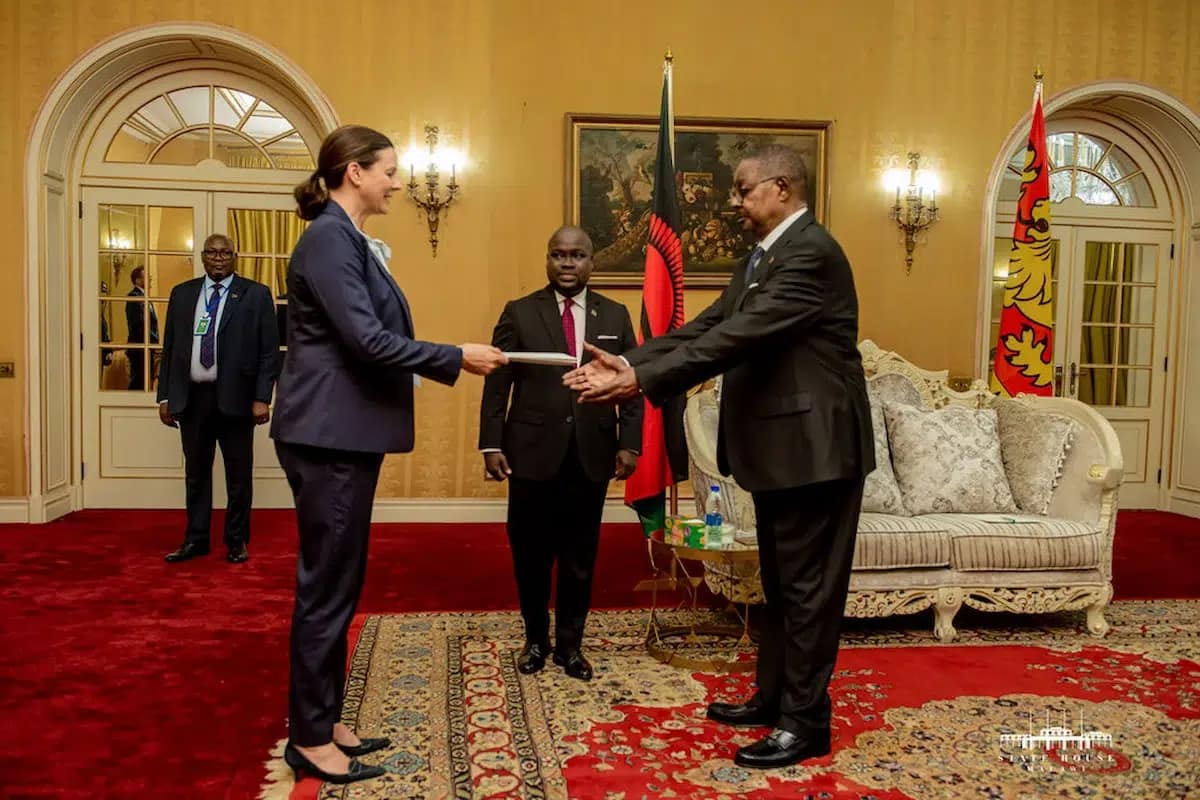
Featured Summary:
- Malawi-UK trade ties are gaining fresh attention after a London Summit brought investors, policymakers and business leaders into renewed talks on trade and investment.
- UK Investors are looking at Malawi through sectors where the country wants deeper capital, including agriculture, mining, energy, infrastructure, manufacturing and services.
- Economic Partnership agreements can support Malawi-UK growth when market access is matched by export readiness, standards compliance and stronger business links.
- International Investment Opportunities will depend on whether summit discussions move into bankable projects, stronger trade channels and long-term private-sector commitments.
Malawi is not one of the UK’s largest trading partners, and that is precisely why the latest London Summit matters.
The relationship has diplomatic history, development links and commercial potential, but the trade numbers remain modest for a partnership now seeking a larger investment profile.
The latest UK data places total UK-Malawi trade at £57 million in the four quarters to the end of Q4 2025, leaving a wide gap between political ambition and commercial depth.
The London Summit has brought that gap into sharper focus.
UK Investors are not looking at Malawi only through aid, agriculture or legacy cooperation.
The discussion now cuts across mining, energy, infrastructure, manufacturing, healthcare, tourism, financial services and technology.
Malawi-UK trade ties are entering a more practical phase, where the stronger story is no longer the relationship itself but whether both sides can turn access, dialogue and goodwill into measurable business opportunities.
Why Are UK Investors Targeting Malawi-UK Trade Ties?
UK Investors are paying closer attention to Malawi-UK trade ties because the market is small enough to be overlooked but structured enough to offer targeted opportunities.
Agriculture remains central, but the conversation is widening toward mining, energy, infrastructure, healthcare, tourism, financial services, manufacturing and technology.
That wider sector spread gives investors more than one entry point into Malawi’s economy.
The attraction sits in the gap between current trade levels and the country’s investment needs.
Malawi needs capital, equipment, market access, processing capacity, logistics support and private-sector partnerships to move more value through its economy.
UK firms looking for frontier opportunities can find openings where expertise, finance and export channels are still underdeveloped.
The market is not being priced as easy.
It is being watched because the base remains low and the room for growth remains visible.
How Will Trade Ties Unlock New Business Opportunities?
Trade ties unlock new business opportunities when they reduce distance between investors, exporters, financiers and policymakers.
The London Summit gave both sides a platform to move beyond diplomatic language into sector-specific conversations.
Agriculture, mining, energy, infrastructure, manufacturing and services all require investors who understand the local constraints before committing capital.
For Malawi, the opportunity is not simply to attract more attention from the UK.
It is to use that attention to strengthen exports, improve standards, support processing, widen financing channels and connect local businesses to buyers.
Stronger Malawi-UK trade ties can help firms move from raw exports toward higher-value goods and services.
The commercial test will come after the meetings, when companies decide whether the projects are clear enough, bankable enough and stable enough to support long-term commitments.
Can Economic Partnership Agreements Drive Malawi-UK Growth Faster?
Economic Partnership agreements can support Malawi-UK growth when market access is matched by productive capacity.
Tariff preferences and trade frameworks can open doors, but exporters still need quality control, certification, packaging, transport, finance and reliable supply chains.
Without those foundations, formal access does not automatically become export growth.
Malawi’s stronger opening sits in sectors where production can be upgraded for external markets.
Agriculture, agro-processing, mining services, tourism, and selected manufacturing can gain from clearer rules and stronger buyer relationships.
UK Investors will watch whether policy commitments are followed by practical improvements in standards, logistics and business confidence.
Agreements can accelerate trade, but execution decides whether the gains remain on paper or reach companies.
Why Is the London Summit Boosting International Investment Opportunities?
The London Summit is boosting International Investment Opportunities because it has placed Malawi’s investment case in front of businesses, investors, policymakers and development partners at the same time.
The UK Department for Business and Trade’s latest trade and investment factsheets show the scale of the commercial gap: total UK-Malawi trade stood at £57 million in the four quarters to the end of Q4 2025, while UK foreign direct investment stock in Malawi stood at £35 million at the end of 2024.
Those figures leave room for the relationship to grow, but they also show why summit momentum must move beyond conversation.
That is where the opportunity becomes more serious.
Malawi’s High Commission in London already presents trade and investment promotion as part of its commercial mandate, supporting Malawian companies looking to export to the UK while promoting Malawi as an investment destination.
The London Summit gives that work a stronger business-facing channel.
International Investment Opportunities will depend on whether investors see clear projects, credible rules, sector readiness and partners capable of moving from interest to execution.
How Will Malawi-UK Cooperation Attract More UK Investors?
Malawi-UK cooperation will attract more UK Investors if it turns summit interest into investable sectors.
Capital rarely moves because a market is mentioned at a roundtable.
It moves when investors can see credible projects, stable rules, available partners, realistic returns and lower execution risk.
Malawi’s strongest case will come from sectors where demand is visible and the country can offer a clearer path to delivery.
The next phase will be shaped by follow-through.
A permanent business presence, stronger chamber activity, clearer investment pipelines and more support for exporters can keep the relationship active after the London Summit.
Malawi-UK cooperation has the history and institutional links needed to attract attention.
The harder measure will be whether that attention becomes factories, farms, service contracts, mining projects, energy investment, export growth and jobs.


Recent Comments