

Featured Summary:
- Gas flaring is becoming harder to defend as Africa burns valuable natural gas while millions still face unreliable power.
- Energy infrastructure is the missing link because captured gas needs pipelines, processing plants, storage, and power projects before it becomes useful.
- Africa gas could support electricity, industry, cooking fuel, and energy security if producers capture more natural gas instead of burning it.
- The World Bank report shows global flaring rose again in 2025, making Africa’s continued gas waste a deeper development scandal.
Africa’s gas flaring problem is no longer just an environmental failure.
It is an energy scandal hiding in plain sight.
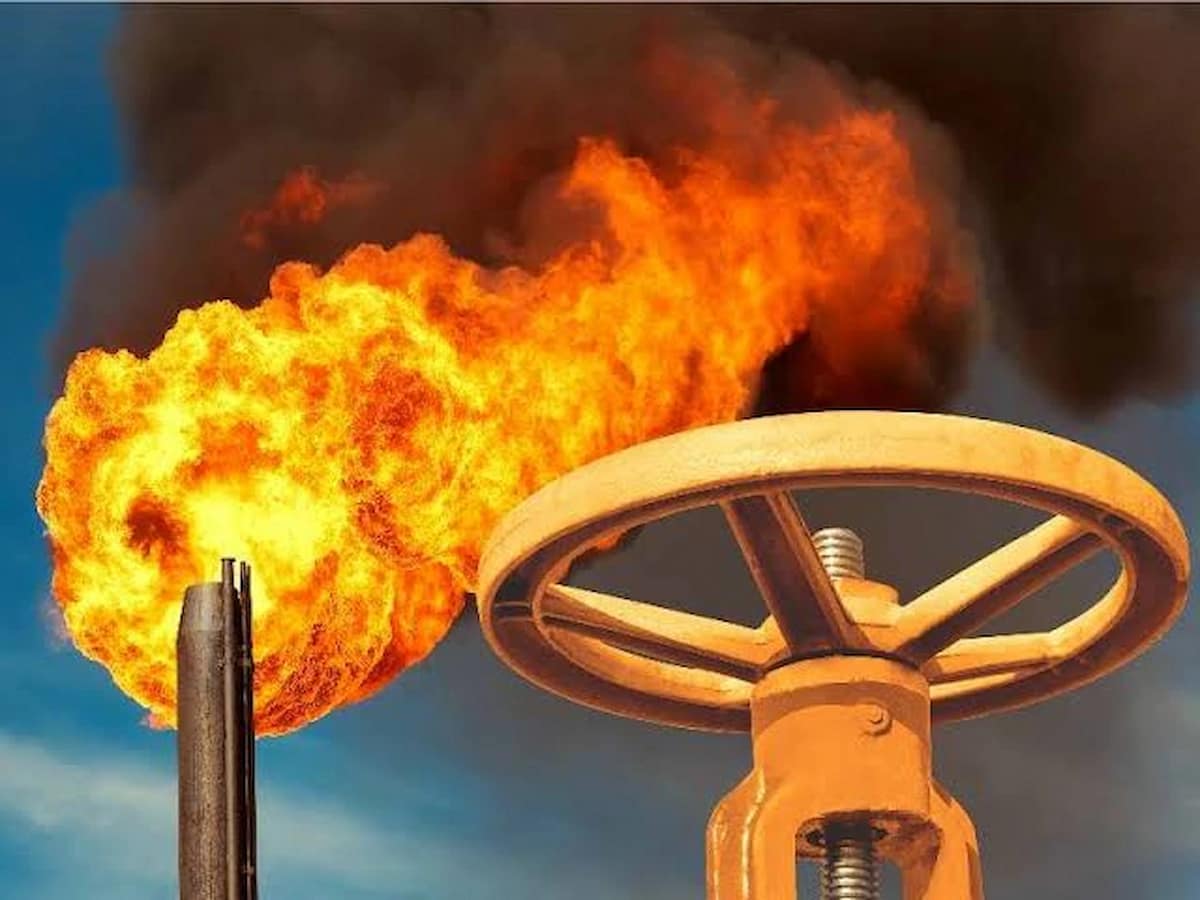
Across major oil-producing countries, natural gas that could support electricity, factories, jobs, cooking fuel, and industrial growth is still being burned because the systems needed to capture and use it remain too weak.
The contradiction is brutal: the continent needs more reliable power, yet some producers are still wasting fuel that could strengthen energy security.
Gas flaring has therefore become more than an oil-field problem.
It is a test of whether Africa can treat natural gas as a development asset instead of a disposable by-product of crude production.
How can Energy Infrastructure Stop Africa’s Costly Gas Waste?
Gas flaring will not fall meaningfully until energy infrastructure makes captured gas commercially useful.
Associated gas cannot simply move from an oil field into a power plant because a government says it should.
It needs gathering systems, pipelines, compression facilities, processing plants, storage, transmission networks, and customers ready to buy it.
Without that chain, producers often find it easier to flare gas than to move it into productive use.
That is where Africa’s energy contradiction becomes clearest.
A country can have natural gas reserves and still fail to use them if fields are far from demand centres, pipelines are missing, or gas-to-power projects remain delayed.
Stronger energy infrastructure changes the economics by linking gas fields to electricity plants, industrial zones, fertiliser plants, petrochemical facilities, and cooking-gas markets.
Once gas has a reliable route to buyers, flaring becomes harder to justify as either a business decision or a policy failure.
Why is Gas Flaring Still Rising Across Major Producers?
Gas flaring persists because the incentives to stop it are still weaker than the systems that allow it to continue.
Many oil-producing countries have flare-reduction targets, but targets do not build pipelines or finance processing plants.
Companies need infrastructure, regulators need enforcement power, and domestic gas markets need enough demand to make gas utilisation commercially attractive.
When one part of that chain fails, flaring survives even when governments publicly oppose it.
The older design of many oil fields deepens the problem. Some projects were developed when associated gas was treated as an unwanted by-product rather than a strategic energy asset.
Reversing that model requires capital, regulation, planning, and political discipline.
It also requires governments to make gas capture a condition of production, not an optional environmental promise.
Until that happens, gas flaring will remain one of the clearest signs of weak energy planning.
Can Africa Gas Unlock Electricity Instead of Burning Away Wealth?
Africa gas can support electricity if countries stop treating associated gas as a waste stream.
Captured natural gas can feed power plants, support industrial energy demand, reduce dependence on diesel generation, and strengthen grid stability where other power sources remain unreliable.
In countries exposed to drought, fuel imports, and ageing power infrastructure, gas can play a practical role in energy security.
The resource is already there. The missing link is the system that turns it into usable power. The economic waste is double.
Producers lose fuel that could be sold or used locally, while economies lose the electricity, jobs, industrial output, and public revenue that captured gas could support.
Gas-to-power projects can help factories run more consistently, reduce backup costs, and improve supply for homes and businesses.
That is what makes the scandal so sharp.
Some of the same gas being burned in producing regions could help reduce electricity shortages if governments and investors built the systems to capture, process, and deliver it.
What Does the World Bank Report Reveal about Global Flaring?
The World Bank report shows that gas flaring is moving in the wrong direction globally.
Its latest Global Gas Flaring Tracker release says global flaring rose for a third consecutive year in 2025, reaching 167 billion cubic meters and wasting an estimated US$54 billion worth of gas.
The report also says nine countries, including Libya, Algeria, and Nigeria, account for more than four-fifths of global flaring.
That places Africa’s major producers inside one of the world’s most visible energy-waste problems.
The most important African signal is the comparison with the continent’s own energy demand.
The World Bank says the gas flared in 2025 was nearly equal to Africa’s entire annual gas consumption.
That single comparison turns gas flaring from a technical oil-field issue into a development indictment.
If captured and used, that gas could support industries, businesses, jobs, and energy security.
The report strengthens the central argument: Africa’s flaring problem is not only about emissions. It is about wasted energy in a continent still fighting power shortages.
How Could Natural Gas Reduce Environmental Pollution Across Africa?
Natural gas can reduce environmental pollution when countries capture associated gas and use it to replace dirtier fuels, especially diesel, heavy fuel oil, and open flaring.
Flaring releases carbon dioxide and can also waste methane when combustion is incomplete.
It adds heat, smoke, noise, and air-quality pressure to communities near oil-producing areas.
Capturing that gas does not make natural gas pollution-free, but it does reduce the damage caused by burning it uselessly into the sky.
The final test is whether Africa can turn wasted gas into managed energy.
Captured natural gas can support electricity, industrial heat, fertiliser, petrochemicals, cooking fuel, and cleaner backup power if regulation and infrastructure are strong enough.
Ending routine gas flaring would not solve every energy problem, but it would remove one of the continent’s clearest examples of wasted wealth.
The scandal is not that Africa has natural gas. The scandal is that too much of it is still being burned while people and businesses need power.


Recent Comments