


Feature Summary:
- Bloomberg Africa’s latest startup list places greater emphasis on solving economic constraints than building consumer-facing products.
- Nigerian startups continue attracting attention because they operate inside some of Africa’s largest underserved markets.
- Venture funding increasingly favours businesses addressing infrastructure, healthcare, commerce, and operational inefficiencies.
- The startups gaining visibility are often those reducing friction in sectors critical to economic activity.
Bloomberg Africa’s latest Africa Startups to Watch list says something important about the direction of African innovation.
The companies attracting attention are not necessarily building the most visible products.
Many are working inside sectors where economic systems remain fragmented, inefficient, expensive, or underserved.
That shift matters because it changes what investors, founders, and markets increasingly reward.
For years, startup conversations often centred on user growth, digital adoption, and customer acquisition.
Bloomberg Africa’s 2026 list points somewhere else.
The companies receiving attention are frequently tackling healthcare access, commercial inefficiencies, financial constraints, logistics bottlenecks, and operational challenges that continue to slow economic activity.
The message is difficult to ignore.
African innovation is moving closer to the foundations of economic activity.
Solving a bottleneck is increasingly proving more valuable than creating a convenience.
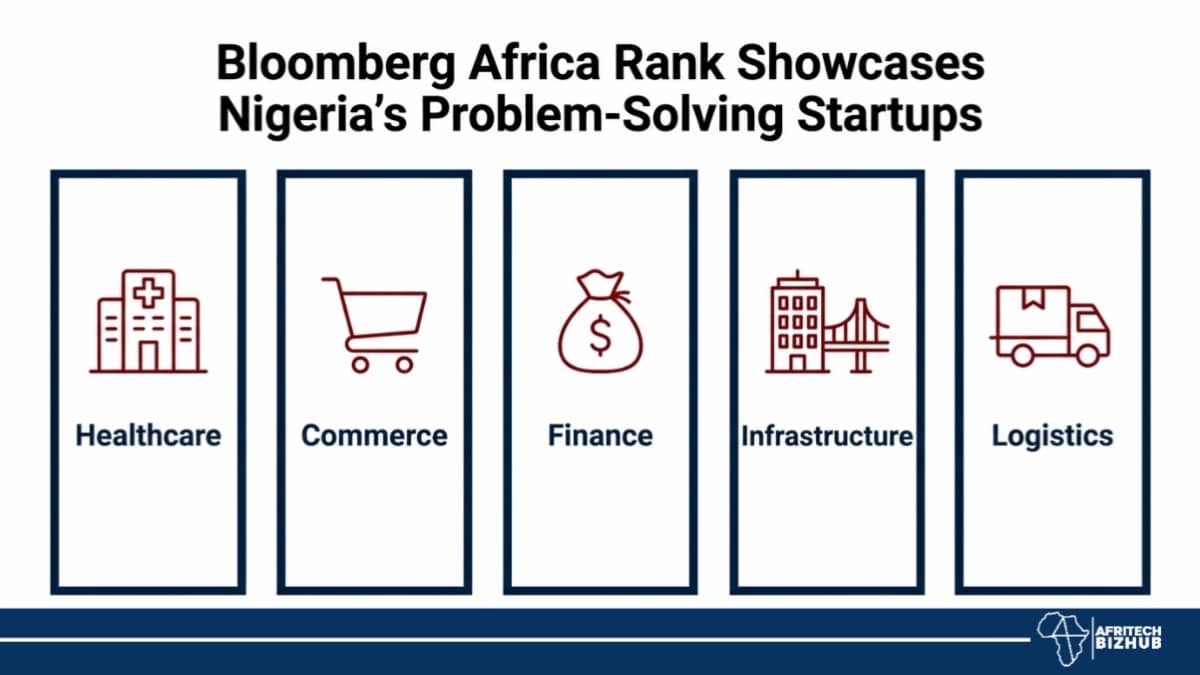
Why Is Bloomberg Africa Highlighting Nigerian Startups?
Nigeria’s strong presence on the list reflects more than the size of its startup ecosystem.
The country combines some of Africa’s largest commercial opportunities with some of its most persistent structural constraints.
Financial inclusion remains uneven.
Healthcare demand continues to exceed available capacity.
Supply chains remain fragmented.
Infrastructure gaps continue increasing costs for businesses across multiple sectors.
Those conditions create friction.
They also create opportunity.
Many Nigerian startups operate where those two realities meet.
They are not simply introducing technology into existing markets.
They are attempting to reduce inefficiencies that affect millions of people and businesses every day.
That helps explain why Bloomberg Africa continues highlighting Nigerian companies within discussions about African innovation.
Scale remains important.
But scale alone is not the story.
Nigeria increasingly attracts startup attention because the problems being addressed are large enough to support meaningful businesses if solutions prove effective.
How Is Bloomberg Driving Attention To Structural Innovation?
The most revealing aspect of Bloomberg’s selection is what it chooses to spotlight.
Many of the highlighted companies operate inside sectors where demand already exists.
Healthcare demand already exists. Commerce already exists.
Payments already exist.
Logistics already exists.
The challenge is that those systems often operate below their potential.
Bloomberg Africa’s list directs attention toward businesses attempting to improve how those systems function.
That represents a different category of innovation from businesses built primarily around convenience, entertainment, or consumer engagement.
The distinction is becoming increasingly important because investors are asking harder questions than they did several years ago.
Growth remains important.
Adoption remains important.
But businesses solving expensive and persistent problems increasingly stand out because the demand behind those problems rarely disappears.
The startups attracting attention are often not creating new needs.
They are attempting to solve old ones.
Why Is Digital Commerce Shifting Beyond Consumer Convenience?
Digital commerce is entering a more demanding phase across African markets.
The first wave focused heavily on helping consumers access products and services more easily.
The next phase is increasingly focused on helping businesses operate more efficiently.
Across many markets, companies continue facing challenges linked to procurement, inventory management, distribution, payments, logistics, and market access.
Those constraints increase costs throughout entire commercial ecosystems.
As a result, startups are increasingly targeting the mechanics of commerce itself.
The goal is no longer simply helping people buy products online.
The goal is reducing inefficiencies that make economic activity slower, more expensive, or less reliable.
That shift helps explain why digital commerce continues attracting attention.
Convenience can attract customers.
Efficiency can reshape markets.
The businesses gaining visibility increasingly focus on the second category.
How Is Venture Funding Backing Long-Term Economic Solutions?
The venture-capital environment looks different from the one that existed during years of abundant global liquidity.
Across global markets, investors have become more selective.
Profitability matters more. Sustainability matters more.
Clear business models matter more.
African startups are operating inside that reality.
Bloomberg Africa’s 2026 list reflects this changing environment.
Many of the featured companies operate in sectors where demand remains persistent regardless of economic cycles.
Healthcare remains necessary.
Financial access remains necessary.
Commerce remains necessary.
Infrastructure remains necessary.
The signal emerging from venture funding is increasingly clear.
Capital continues pursuing growth, but it is becoming more disciplined about where growth comes from.
Businesses solving costly and recurring problems are attracting greater attention than businesses dependent on temporary excitement.
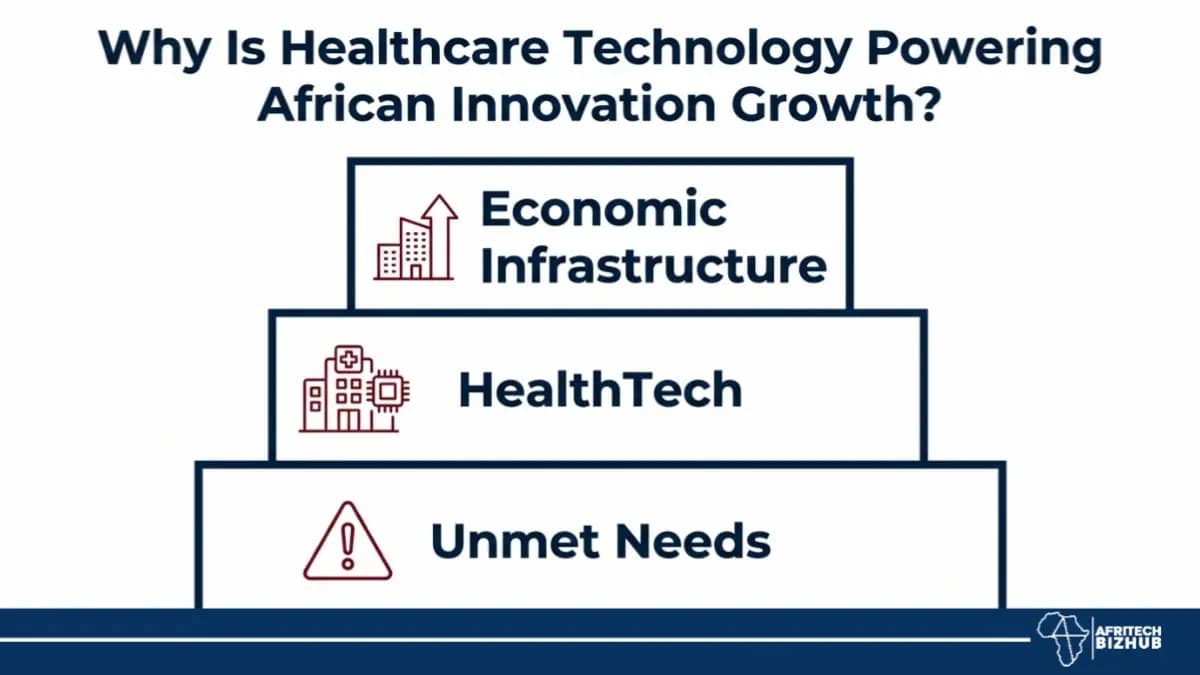
Why Is Healthcare Technology Powering African Innovation Growth?
Healthcare continues attracting innovation because the underlying need remains enormous.
Across much of Africa, access to healthcare remains constrained by shortages of infrastructure, diagnostics, specialists, financing, and service-delivery capacity.
These are not temporary market gaps.
They are structural challenges that affect productivity, workforce participation, household finances, and economic resilience.
That reality creates a different type of opportunity.
Companies operating within healthcare technology are not entering a market in search of demand.
Demand already exists.
The challenge is improving access, affordability, efficiency, and outcomes.
Businesses capable of addressing those constraints often sit at the intersection of commercial value and public necessity.
Bloomberg Africa’s list ultimately points toward a broader shift taking place across African innovation.
Attention is increasingly moving toward businesses operating inside sectors that economies cannot function without.
Payments, healthcare, logistics, commerce, and financial access are no longer simply startup categories.
They are becoming part of the infrastructure that supports economic activity itself.
The startups gaining visibility are not competing to become the next trend.
They are competing to become part of the systems through which future economic growth flows.
That is a different category of opportunity altogether.


Recent Comments