

Featured Summary:
- Africa mobile money providers are cutting merchant costs to capture recurring business transactions
- Merchant payments are becoming more valuable than one-off consumer transfers
- Fintech platforms are moving closer to everyday business banking
- Business relationships could determine Africa’s next fintech leaders
Africa’s mobile money platforms are competing for the business cash flow that traditionally anchored commercial banking relationships.
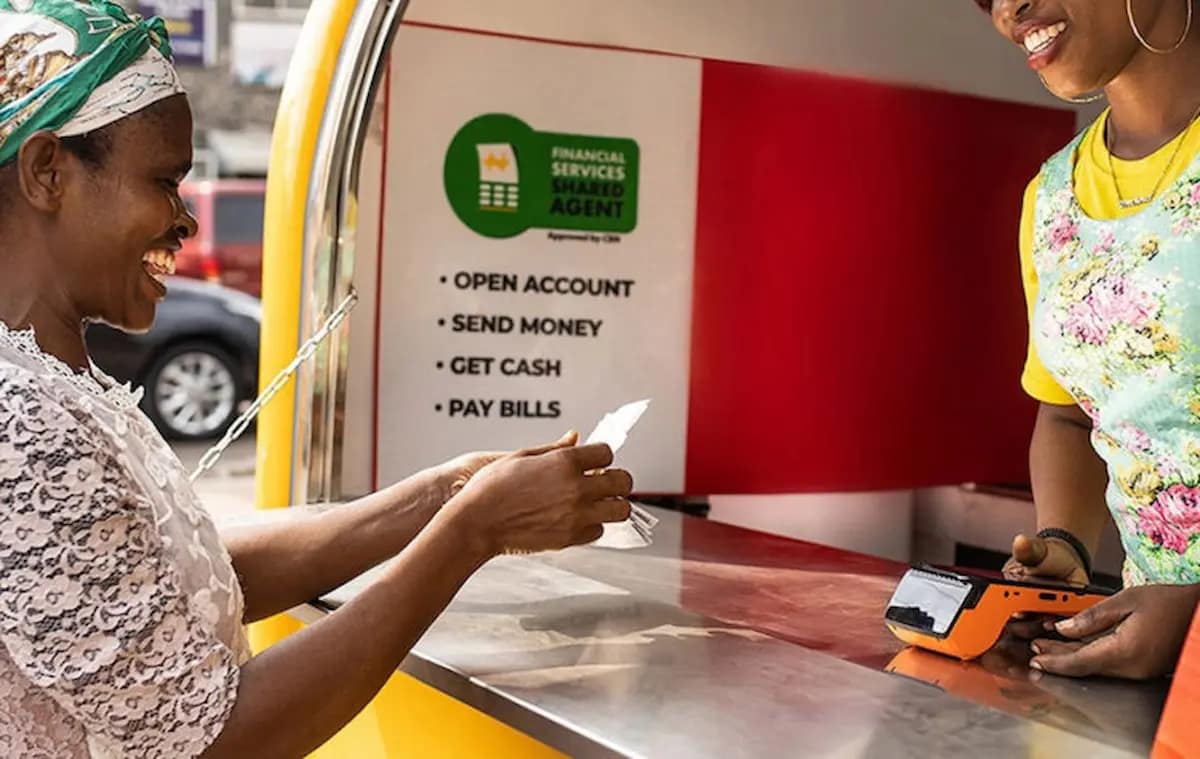
Merchant wallets are becoming the operating accounts through which many small businesses receive payments, manage working cash and transfer money, bringing fintech platforms closer to the daily financial activity once dominated by business bank accounts.
Safaricom’s merchant products and Airtel Money’s Bizna Wallet illustrate that commercial shift.
Their latest pricing changes are designed to attract more business payments, but the larger opportunity lies in retaining the financial activity that follows.
Every transaction creates another opportunity to manage collections, supplier payments and other recurring business transfers.
Business cash flow is becoming the next competitive layer of Africa mobile money.
Business Cash Flow Is Becoming Africa Mobile Money’s Competitive Advantage
Consumer transfers gave mobile money platforms scale, but merchant transactions can produce more frequent and commercially valuable activity.
A customer transfer may end once the money is withdrawn. Business income can remain active as merchants pay suppliers, move funds into bank accounts, settle operating expenses or retain cash inside a dedicated wallet.
Safaricom generated KSh13.3 billion from merchant services during the financial year ended March 2026, while the number of Pochi la Biashara merchants rose from 1.1 million to 2.1 million.
Airtel’s Bizna Wallet is targeting the same activity by allowing businesses to separate commercial payments from personal funds.
Lower fees may attract the merchant, but control of recurring cash flow creates the deeper financial relationship.
Business Banking Is Moving Beyond Commercial Banks
Mobile money platforms are competing for the financial relationship that traditionally began with a business bank account.
The competition is no longer centred on processing payments alone. It is centred on becoming the primary operating account through which small businesses receive revenue, manage working capital, settle suppliers and organise daily financial activity.
Control of those recurring transactions creates a deeper commercial relationship than the payment itself.
Kenya illustrates that structural shift, while Nigeria shows how the model is spreading through different fintech platforms.
Moniepoint, OPay and PalmPay are building business ecosystems around merchant collections, settlements, operating accounts and financial management rather than payments alone.
Commercial banks continue to lead in lending, treasury, foreign exchange and trade finance.
The first structured financial relationship for many small businesses, however, is no longer beginning inside a traditional bank.
Africa Mobile Money Is Expanding the SME Financial Ecosystem
Merchant payments are becoming one of the fastest-growing commercial activities in Africa’s mobile money industry.
According to the GSMA, more than $2 trillion moved through mobile money accounts in 2025, while merchant-payment value reached $155 billion, making it the fastest-growing major use case.
The commercial opportunity is expanding beyond processing transactions to supporting the daily financial activity of small businesses.
That shift is increasing the value of transaction data alongside the payments themselves. Recurring records of sales, supplier settlements and operating cash flows provide financial institutions with a clearer picture of how businesses function.
The World Bank found that mobile money account ownership in Sub-Saharan Africa increased from 27% of adults in 2021 to 40% in 2024, expanding the number of businesses and customers participating in digital financial networks.
The competitive advantage is shifting from processing business payments to understanding business activity.
Business Relationships Are Becoming Africa Mobile Money’s Strongest Advantage
The next stage of Africa mobile money will be measured less by how many transactions platforms process and more by how deeply they become embedded in the daily operations of small businesses.
Receiving revenue, managing working capital, settling suppliers and organising business cash flows are becoming the financial activities through which long-term commercial relationships are formed.
Commercial banks will continue to lead in corporate lending, treasury, foreign exchange and trade finance, while mobile-first platforms compete closer to the financial activity from which those services eventually develop.
Transaction volumes and wallet registrations will remain important measures of scale, but they reveal less about long-term competitive strength than the depth of the merchant relationship.
The platforms that become part of how African businesses receive, move and manage money are likely to shape the next phase of Africa mobile money.


Recent Comments