

Featured Summary:
- Congo minerals are estimated to include about $24 trillion in largely untapped resources, placing the DRC at the centre of the global critical minerals race.
- China mining in Africa is tied to long-term control of cobalt, copper and other minerals needed for batteries, electric vehicles, electronics and industrial supply chains.
- Congo mineral deposits are suddenly more important because clean energy, defence technology and advanced manufacturing depend on secure critical minerals supply.
- U.S. vs China competition is reshaping DRC Mining as Washington seeks new access while Beijing’s mining footprint remains deeply established.
Congo’s mineral wealth has moved from a development question into a global supply-chain contest.
The $24 trillion figure now attached to the country’s untapped resources captures the scale of what is at stake, but it does not point to one newly discovered mineral.
It points to a broader mineral base that includes cobalt, copper, coltan, tin, tungsten, tantalum, lithium, gold and other strategic resources sitting beneath one of Africa’s most resource-rich economies.
The pressure around Congo minerals has sharpened because the world’s industrial priorities have changed.
Electric vehicles, batteries, renewable power systems, semiconductors, defence technology and advanced manufacturing all need secure mineral supply.
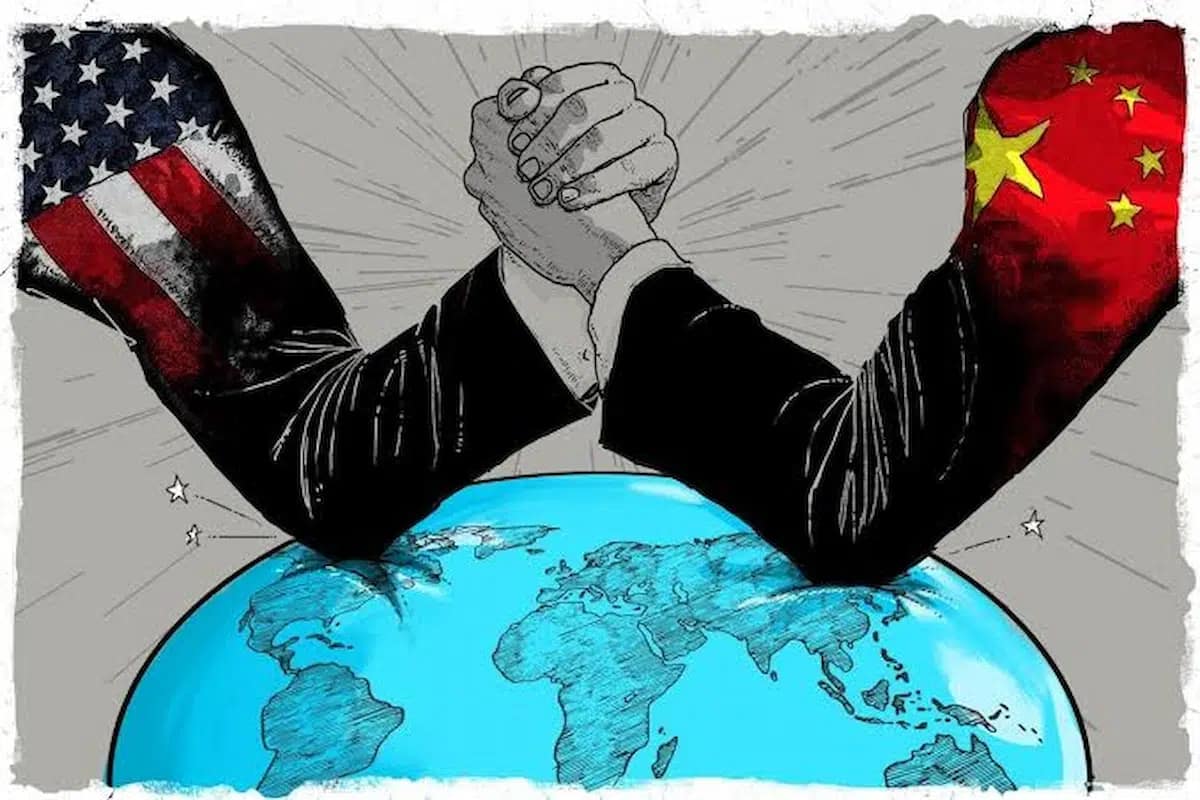
That has placed the DRC between two competing forces: China’s entrenched mining position and America’s renewed attempt to build access through strategic partnerships, infrastructure and offtake arrangements.
How Valuable Is Congo’s Untapped Mineral Wealth Today?
Congo’s untapped mineral wealth is frequently estimated at about $24 trillion, placing the DRC among the world’s most resource-rich countries by potential mineral value.
The figure reflects a wider base of mineral deposits rather than one hidden deposit.
Copper, cobalt, coltan, tin, tungsten, tantalum, lithium and gold all sit inside a resource base that has become more valuable as global industries move toward batteries, electrification and advanced technology.
The country’s position is already visible in existing production.
The DRC is Africa’s largest producer of copper and the world’s largest producer of cobalt, two minerals now central to the global energy transition and defence-linked supply chains.
The scale of the resource base has not translated into broad prosperity, which is why the mineral story remains politically sensitive.
Congo minerals are valuable on paper, but the larger test is how much of that value is processed, priced and retained inside the country.
Why is China Mining in Africa?
China is mining in Africa because the continent holds minerals that sit at the base of modern industrial power.
Cobalt, copper, lithium, manganese, graphite, rare earths and other resources feed electric vehicles, batteries, electronics, power grids and manufacturing systems.
Securing supply at the mine level gives Chinese companies more control before minerals reach refining plants, battery makers and export markets.
The DRC shows how deep that strategy has become.
Chinese companies have spent years building positions through acquisitions, infrastructure-linked deals, state-backed financing and long-term offtake relationships.
The result is a mining footprint that gives Beijing influence across production, processing and export flows.
China’s advantage in Congo cobalt mining did not appear suddenly.
It was built through patient capital, asset purchases and a willingness to operate where Western investors moved more cautiously.
Why Are Congo Mineral Deposits Suddenly So Important?
Congo mineral deposits are suddenly more important because critical minerals now sit inside national security, energy policy and industrial competition.
Cobalt and copper are no longer treated only as commodities.
They are inputs for batteries, power networks, electric vehicles, electronics, military systems and manufacturing capacity.
A disruption in supply can affect prices, production plans and geopolitical bargaining power.
That is why the DRC is receiving renewed attention from both Washington and Beijing.
The country’s deposits are not only large; they are difficult to replace at speed.
Global buyers can diversify some supply, but the volume and grade of Congo minerals keep the country central to the market.
The critical minerals race has made the DRC harder to ignore, even for governments that previously treated African mining as a private-sector concern.
How Is U.S. vs China Shaping DRC Mining?
U.S. vs China competition is reshaping DRC Mining by turning mineral access into a strategic policy question.
The International Energy Agency’s policy database states that the U.S.-DRC Strategic Partnership Agreement, signed on December 4, 2025, establishes cooperation on critical minerals, infrastructure and governance.
The framework includes a Strategic Asset Reserve, DRC-designated strategic projects, offtake access for U.S. persons, a potential strategic minerals reserve and support for the Sakania-Lobito Corridor as a mineral export route.
The structure places Washington closer to assets, logistics and future supply arrangements, while China remains embedded in existing production.
Beijing’s mining position is still supported by operating assets, financing channels, processing links and fresh cooperation with Kinshasa on geological data, investment protection and local processing.
DRC Mining is therefore moving through two tracks at once: China holds depth in current production, while the United States is trying to build a competing route through policy, finance and infrastructure.
Who Owns the Majority of Mines in Congo?
Mine ownership in Congo is not controlled by one single actor across every mineral site.
The DRC state remains central through sovereignty, licensing authority and state-linked entities such as Gécamines, while foreign operators hold major commercial stakes across copper, cobalt, gold, tin, lithium and other resources. The strongest foreign footprint in large-scale copper and cobalt mining is held by Chinese companies.
Chinese firms own or hold stakes in many of the DRC’s most important copper and cobalt mines, including assets linked to CMOC, Zijin, Sicomines and other Chinese-backed groups.
Western companies such as Glencore remain important, but the balance of foreign control has shifted heavily toward China over the past decade.
That ownership pattern explains why USA and China are now competing so directly in Congo minerals.
Washington is trying to rebuild access in a market where Beijing already controls much of the operating ground.


Recent Comments