

Featured Summary:
- China culture is receiving greater visibility through initiatives that extend beyond traditional trade and investment engagement.
- China-Africa exchange efforts are drawing increasing attention to education, heritage, and people-to-people connections.
- The Dunhuang showcase at UNON Nairobi placed cultural engagement at the centre of a major diplomatic platform.
- The event reflects a broader evolution in how China-Africa relations are being presented and discussed.
China’s presence in Africa is usually measured in kilometres of railway, billions of dollars in trade, or the scale of infrastructure projects.
The latest conversation at UNON Nairobi could not be measured that way.
Heritage replaced infrastructure. Culture replaced commerce.
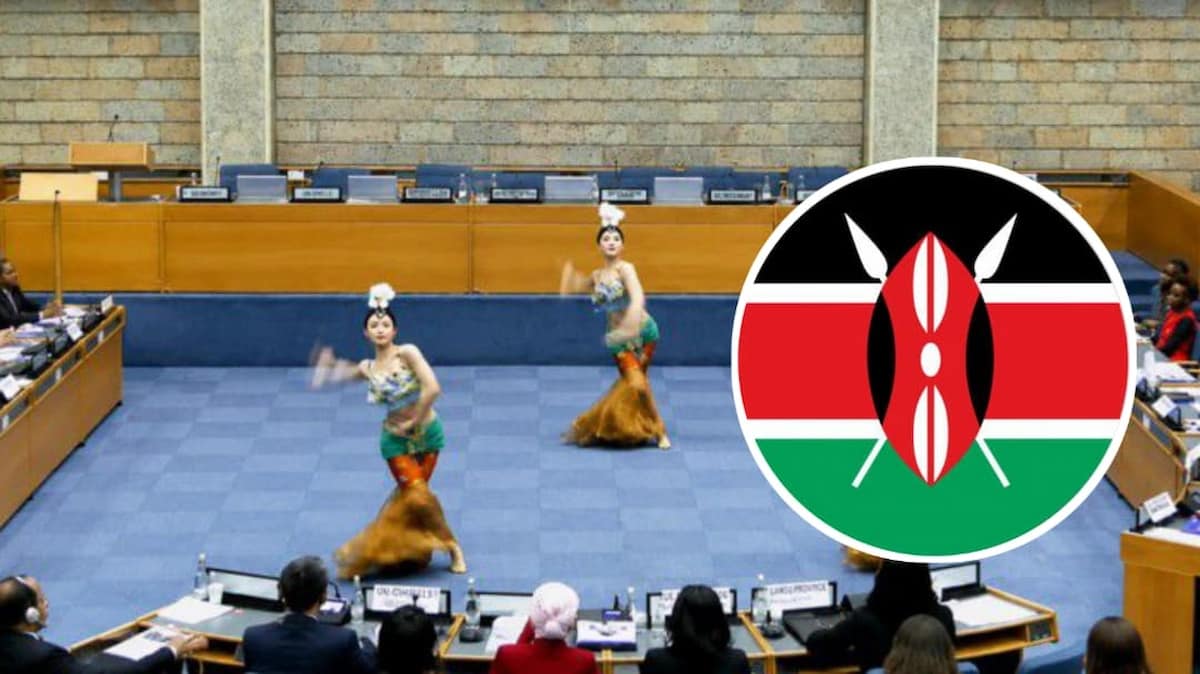
One of the continent’s most important diplomatic venues became the stage for a different kind of China-Africa engagement.
The contrast was impossible to ignore.
How Did China Culture Shape UNON Nairobi’s Showcase?
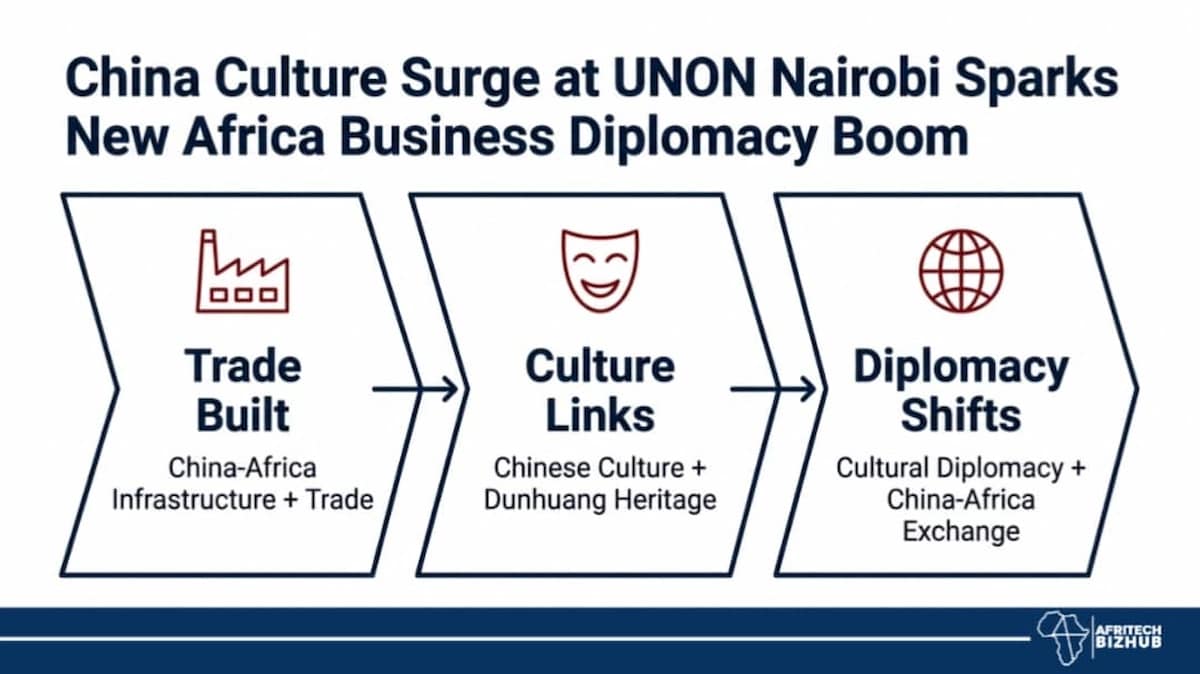
The Dunhuang exhibition was more than a cultural display.
Its location alone ensured that. Hosted at UNON Nairobi, the showcase introduced African audiences to one of the most important symbols of cultural interaction in Chinese history.
Dunhuang’s position along the ancient Silk Road made it a meeting point for traders, travellers, religious communities, and ideas moving across regions for centuries.
The significance of the event was not limited to the artefacts on display.
China culture became the centrepiece of a conversation taking place inside one of the world’s most important diplomatic environments.
For years, China-Africa discussions at major international platforms often revolved around development, trade, infrastructure, and financing.
In Nairobi, the conversation revolved around heritage.
That distinction matters because diplomatic priorities are often revealed by what receives attention.
Why Is China-Africa Exchange Boosting Cultural Diplomacy?
Economic relationships create connections. They do not automatically create familiarity.
After years of expanding trade, investment, educational cooperation, and political engagement, China-Africa exchange is moving through more channels than before.
Universities, cultural institutions, artists, students, researchers, and community organisations now play increasingly visible roles within the relationship.
The result is that engagement is becoming harder to define purely through economics.
This helps explain the growing prominence of cultural diplomacy.
China-Africa exchange today involves societies that interact more frequently than they did a decade ago.
As those interactions expand, culture naturally occupies a larger space.
Business relationships may open doors, but people ultimately move through them.
How Does China-Africa Drive Silk Road Arts?
Dunhuang occupies a unique place in China’s historical narrative because it reflects centuries of exchange rather than isolation.
Trade moved through the region, but so did ideas, religions, artistic traditions, and cultural influences.
The site has therefore become one of the most recognisable symbols of interaction between civilizations.
That symbolism carries weight within modern China-Africa exchange efforts.
The revival of Silk Road arts is not simply a discussion about history.
It places cultural interaction alongside economic connectivity rather than behind it.
The story being presented is not only about what moved across historical trade routes. It is also about what travelled with it.
The relevance to Africa becomes clearer in that context.
China-Africa exchange is increasingly presented through narratives that combine commerce, education, heritage, and cultural interaction rather than separating them into distinct categories.
Can Cultural Diplomacy Redefine China-Africa Relations?
For years, China-Africa relations were largely measured through figures.
Trade volumes, infrastructure spending, foreign direct investment, financing agreements, and development projects dominated discussions.
Those indicators remain important. They simply no longer tell the entire story.
The growing visibility of China culture suggests that another dimension of engagement is receiving greater attention.
Research partnerships, educational programmes, cultural exchanges, tourism, language learning, and people-to-people interaction now occupy a larger place within the relationship than they once did.
Cultural diplomacy is becoming more visible because the relationship itself has become broader.
Long-term international relationships rarely remain confined to a single area of cooperation.
As China-Africa engagement expands, the range of interactions surrounding it appears to be expanding as well.
Why is UNON Nairobi Hosting The Dunhuang Heritage Showcase?
The venue may be as significant as the exhibition itself.
UNON Nairobi is the only United Nations headquarters on the African continent and one of the most important diplomatic centres in the developing world.
Hosting the Dunhuang exhibition there elevated it beyond a bilateral cultural event and placed it within a wider international conversation about heritage, cooperation, and global civilization.
The decision also expanded the audience. Events held at UNON Nairobi reach diplomats, policymakers, international organisations, researchers, and representatives from multiple regions.
The exhibition therefore became more than a showcase of China culture.
It became part of a broader dialogue taking place within an institution designed to facilitate international engagement.
What Does This Mean For The Future Of China-Africa Relations?
he most revealing aspect of the Nairobi showcase may not be the exhibition itself. It may be the timing.
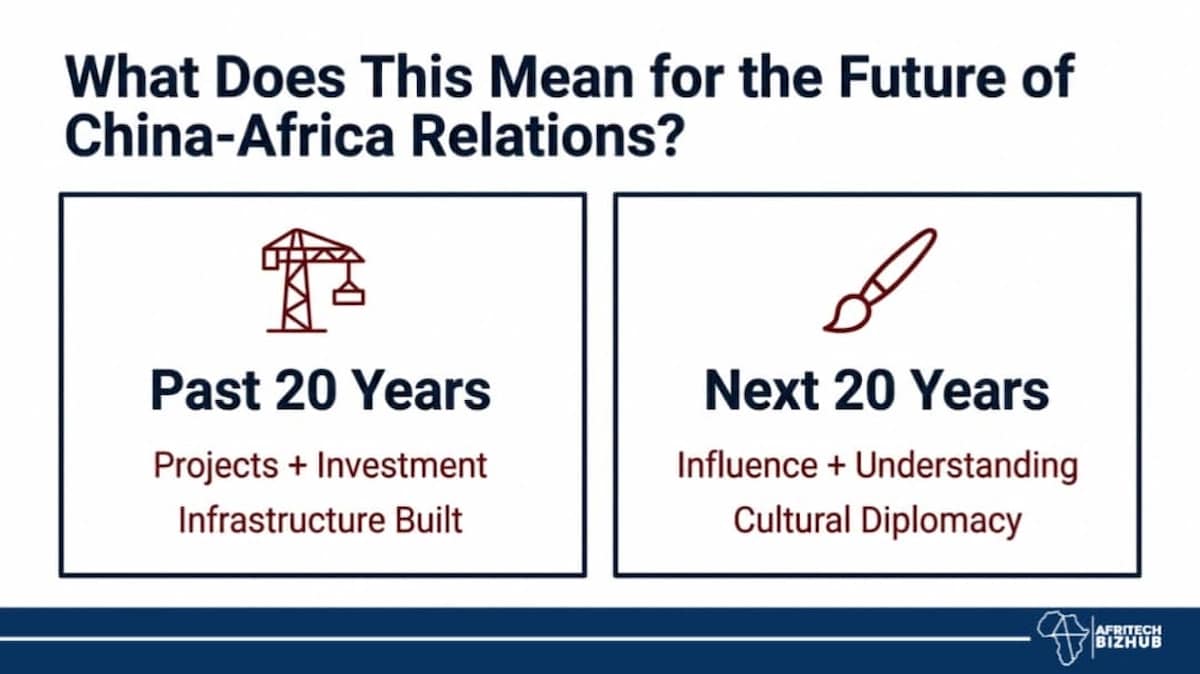
For two decades, China built visibility across Africa through infrastructure, investment, trade, and development projects.
Those areas remain central to the relationship.
Yet the conversation unfolding at UNON Nairobi revolved around something different. China-Africa exchange was being discussed through heritage, culture, education, and civilization.
Railways and ports built presence. The discussion in Nairobi pointed somewhere else.


Recent Comments