

Featured Summary:
- NIGCOMSAT’s FreeTV platform aims to expand access to free television across Nigeria.
- More households could choose free TV channels instead of monthly subscription services.
- Digital switchover is opening the broadcasting market to new forms of competition.
- MultiChoice may face greater pressure to retain subscribers as viewers gain more affordable options.
For years, the pay-TV business in Nigeria has relied on one simple expectation: viewers who want quality entertainment will continue paying monthly subscriptions.
That model helped DStv and GOtv become household names, even as consumers complained about rising costs and changing economic conditions.
The emergence of FreeTV is testing that assumption.
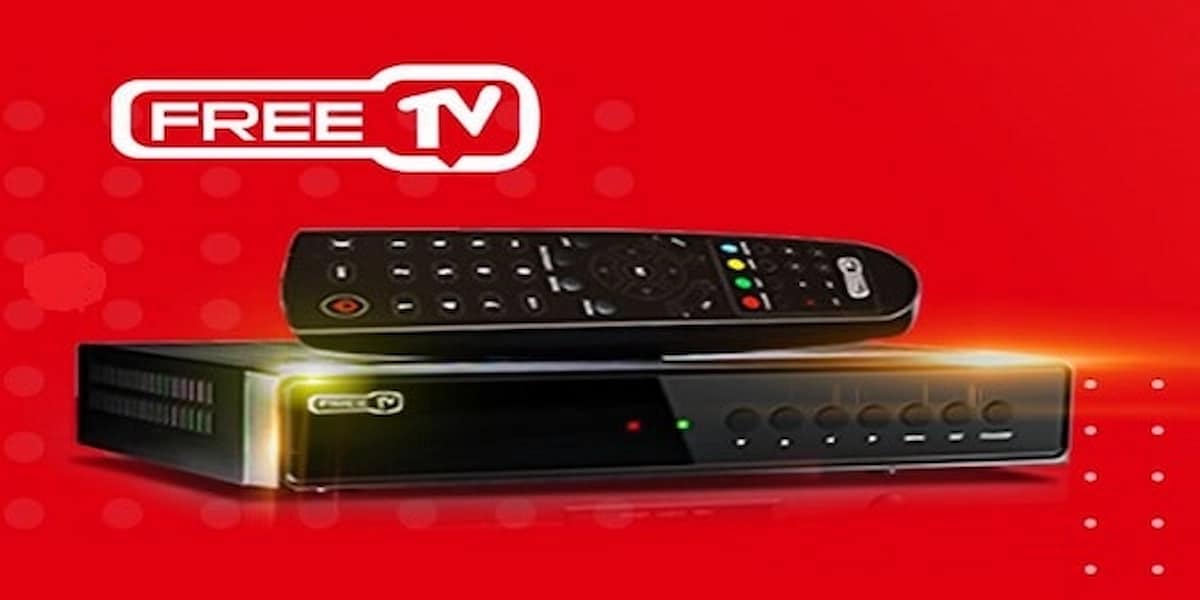
Backed by satellite infrastructure and designed to expand access to digital broadcasting, the service offers Nigerians another way to watch television without recurring subscription fees.
The biggest disruption may not be the technology itself but the possibility that millions of viewers now have a realistic alternative.
Is NIGCOMSAT Powering Nigeria’s FreeTV Rollout Nationwide?
Yes. NIGCOMSAT is providing the satellite infrastructure that supports the nationwide rollout of FreeTV, helping extend digital broadcasting services to households across Nigeria.
Unlike traditional terrestrial broadcasting, satellite coverage allows signals to reach communities that may have limited access to conventional transmission networks.
The initiative also supports Nigeria’s broader goal of improving access to information and digital broadcasting.
By using satellite technology to deliver free television services, NIGCOMSAT is helping create a platform that can reach viewers regardless of location, making television more accessible in both urban centers and remote communities.
How Do Free TV Channels Work Nationwide?
Free TV channels operate by transmitting digital signals that viewers can receive through compatible equipment without paying monthly subscription charges.
After installing the required decoder or satellite reception system, households can access approved channels as part of the FreeTV platform without recurring renewal fees.
This model differs significantly from subscription television.
Instead of paying every month to maintain access, viewers make an initial investment in equipment and then continue watching available channels at no additional subscription cost.
That pricing structure is particularly attractive for families seeking affordable entertainment and news.
Will MultiChoice Lose Subscribers to the FreeTV Launch?
FreeTV has the potential to attract viewers who mainly watch local programming, news, educational content, and general entertainment and who want to reduce monthly expenses.
For these households, eliminating recurring subscription payments could be a compelling reason to switch platforms or rely less on pay television.
However, MultiChoice still offers exclusive sports rights, premium movie channels, international programming, and specialized entertainment that FreeTV may not replicate.
Rather than replacing subscription television entirely, FreeTV is more likely to increase competition and give consumers greater flexibility in deciding which services deserve their money.
Does Digital Switchover Threaten Nigeria’s Cable Dominance?
Digital switchover is reshaping Nigerian television by expanding the role of satellite-based broadcasting and giving viewers more alternatives to traditional subscription platforms.
NIGCOMSAT is positioning its FreeTV platform as part of that transition, using satellite infrastructure to extend access to free TV channels across the country and support wider digital broadcasting.
The initiative reflects a broader effort to improve coverage and make digital television available to more households without recurring subscription costs.
The significance reaches beyond broadcasting technology.
As NIGCOMSAT expands FreeTV and digital switchover gains momentum, subscription television providers face a market in which affordability and accessibility are becoming increasingly important competitive factors alongside exclusive content.
Is Nigerian Television Entering the Free Subscription Era?
Nigeria is unlikely to abandon subscription television altogether, but it is clearly entering a period where free alternatives carry greater influence.
Viewers now have more options than before, allowing them to balance cost against content instead of assuming that monthly payments are the only path to quality entertainment.
The larger shift is in consumer choice.
Broadcasters that once competed mainly with one another must now compete with an entirely different business model built around accessibility and affordability.
If FreeTV continues to expand successfully, Nigerian television could evolve into a more open and competitive market where viewers, not providers, have the strongest bargaining power.


Recent Comments