


Featured Summary:
- IQSTEL’s proposed Ultranet acquisition highlights the growing importance of telecom infrastructure in Africa’s digital economy.
- SMS gateway networks continue supporting banking alerts, authentication systems, enterprise communications, and digital services.
- Telecom services increasingly sit at the centre of payments, ecommerce, fintech, and digital business activity.
- SMS routing remains one of the least visible but most important layers of Africa telecom infrastructure.
The proposed acquisition of Ultranet Telecom Group is being presented as a growth transaction for IQSTEL.
The revenue figures naturally attract attention.
The communications infrastructure behind the deal deserves even closer attention.
Africa’s digital economy increasingly depends on systems most consumers never see.
Mobile banking alerts arrive instantly.
Authentication codes appear within seconds.
Businesses communicate with customers at scale.
Financial institutions deliver transaction notifications across multiple markets.
Much of that activity depends on messaging infrastructure operating quietly in the background.
That is where the IQSTEL transaction becomes more interesting.
The deal arrives as Africa telecom networks continue expanding alongside rising demand for fintech services, digital commerce, enterprise communications, and cross-border connectivity.
The question is no longer simply who owns the customer.
Increasingly, it is who controls the pathways through which digital communication moves.
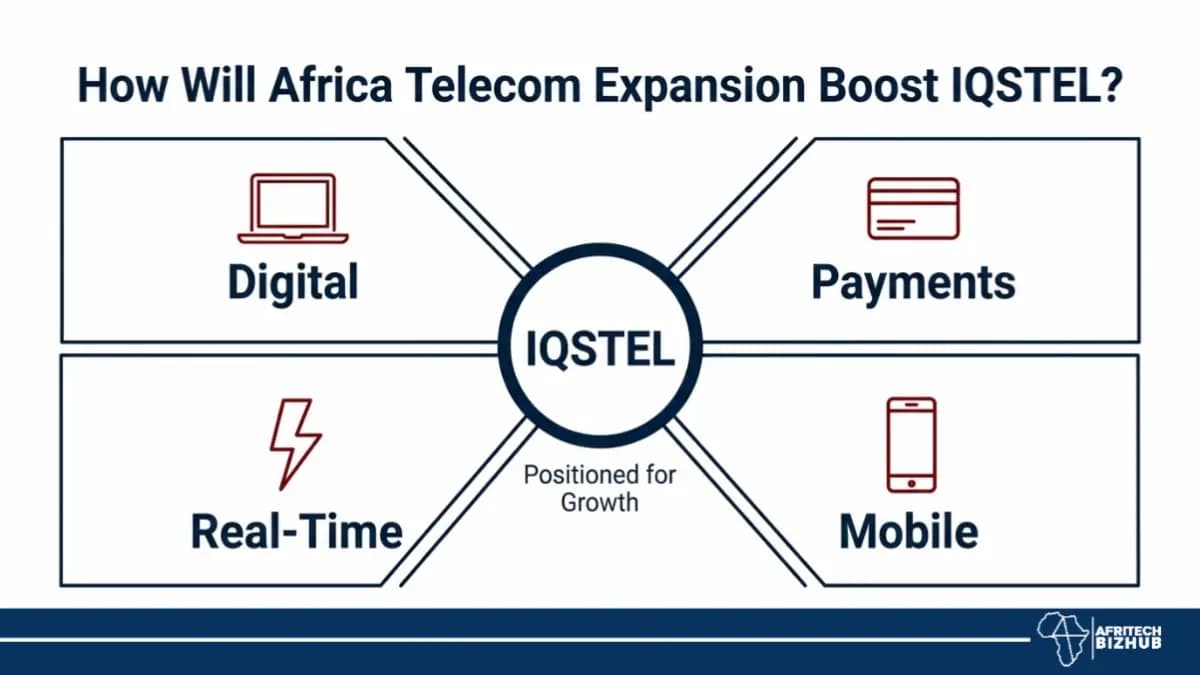
How will Africa Telecom Expansion Boost IQSTEL?
Africa telecom growth is often measured through subscriber numbers, smartphone adoption, and data consumption.
Yet beneath those indicators sits a larger shift.
More businesses are operating digitally.
More payments move electronically.
More customer interactions occur through mobile devices.
More services depend on real-time communication between platforms, institutions, and users.
As that activity expands, the infrastructure supporting communication becomes increasingly valuable.
The proposed Ultranet transaction gives IQSTEL greater exposure to markets where digital adoption, enterprise communications, and mobile connectivity continue growing.
According to the company, Ultranet operates across multiple African markets and maintains relationships that support international telecommunications traffic.
The significance extends beyond geographic reach.
Africa telecom expansion increases demand for the networks, carrier relationships, and communication infrastructure that keep digital systems connected.
That is the environment IQSTEL is positioning itself to serve.
Why does SMS Gateway Acquisition Matter IQSTEL?
Most digital interactions begin with a message.
A customer receives a banking alert.
A user receives a verification code.
A business sends a notification.
A platform confirms an identity.
These actions appear routine because the infrastructure supporting them is rarely visible.
SMS gateway networks make much of that communication possible.
According to information released by IQSTEL, Ultranet brings exclusive international SMS gateway agreements with major African mobile operators into the proposed transaction.
Those agreements support communication flows between networks, businesses, and service providers.
Message volume is not the story. Reliability is.
As financial services, ecommerce platforms, and digital businesses continue expanding, dependable communication infrastructure becomes increasingly important.
The companies operating inside those systems often occupy positions that are difficult to replace once established.
How will Telecom Services Grow in Africa?
The future of telecom services increasingly follows the growth of the digital economy itself.
Mobile money depends on communication networks.
Digital banking depends on communication networks.
Ecommerce depends on communication networks.
Enterprise software, authentication systems, customer engagement tools, and cloud-based services all depend on communication networks.
Demand therefore expands alongside digital activity.
Across African markets, telecom services are evolving beyond traditional voice traffic.
Enterprise communications, messaging infrastructure, digital connectivity, and value-added services increasingly contribute to sector growth.
The network is no longer simply a channel for conversation.
It has become part of the infrastructure supporting economic activity.
That shift explains why telecom assets continue attracting strategic attention.
The businesses operating underneath digital services increasingly influence how those services scale.
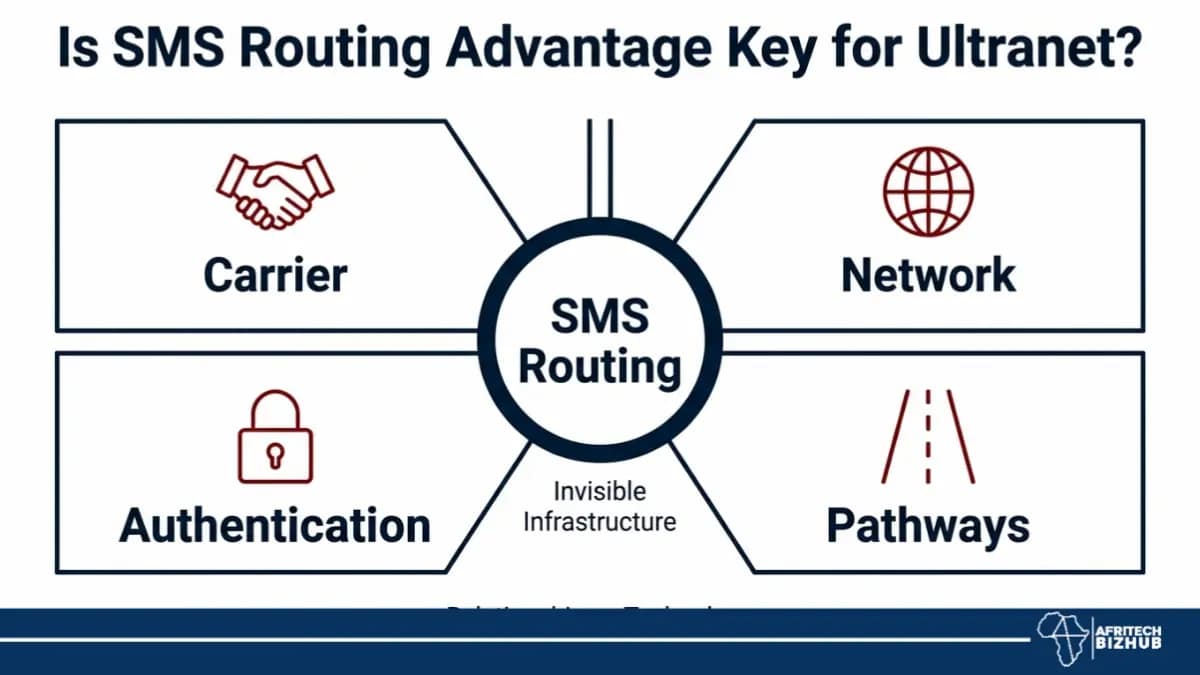
Is SMS Routing Advantage Key for Ultranet?
Some of the most important infrastructure in telecommunications remains largely invisible.
SMS routing determines how messages move between operators, countries, and communication systems.
Every banking notification, authentication code, security alert, and enterprise message depends on successful delivery.
According to the GSMA, mobile infrastructure continues playing a critical role in supporting digital services, financial inclusion, and economic activity across emerging markets.
That context helps explain why SMS routing remains strategically important.
The value does not sit solely in technology.
It sits in established relationships, carrier agreements, network access, and delivery pathways that take years to build.
IQSTEL’s interest in Ultranet reflects the continuing importance of those communication channels even as digital ecosystems become more sophisticated.
The infrastructure may be invisible.
Its role is not.
Will IQSTEL Acquisition Reshape African Telecom Markets?
Africa telecom markets are unlikely to change overnight because of a single acquisition.
The sector remains large, competitive, and shaped by major operators, infrastructure providers, and regional telecommunications groups.
Yet the proposed transaction reveals where strategic value increasingly sits.
For years, telecom competition focused heavily on subscribers, coverage, and network expansion.
Increasingly, attention is shifting toward communication infrastructure, messaging capabilities, enterprise services, and interconnection networks.
That is what makes the IQSTEL transaction noteworthy.
The deal is not simply about adding revenue or expanding operations.
It highlights the growing importance of infrastructure that supports digital communication behind the scenes.
Payments, authentication systems, banking alerts, enterprise messaging, and digital services all depend on those networks.
Africa’s digital economy increasingly runs on infrastructure consumers rarely see.
The companies controlling those pathways may influence the next phase of growth long before most users realise they exist.


Recent Comments