


Featured Summary:
- Malawi’s digital plan promises widespread digital transformation, yet structural and execution challenges persist.
- Rural connectivity faces infrastructure, affordability, and adoption barriers.
- Youth may miss opportunities without focused Digital skills development.
- The National data centre could improve access if deployed strategically and alongside broader initiatives.
Malawi’s digital plan arrives amid continent-wide momentum for digital transformation.
Governments promise connectivity, online services, and new economic opportunities, yet implementation often falls short.
The tension is clear: ambition is high, but structural hurdles remain.
Malawi must now answer the same question that has stalled digital initiatives elsewhere in Africa—can strategy convert into tangible impact?
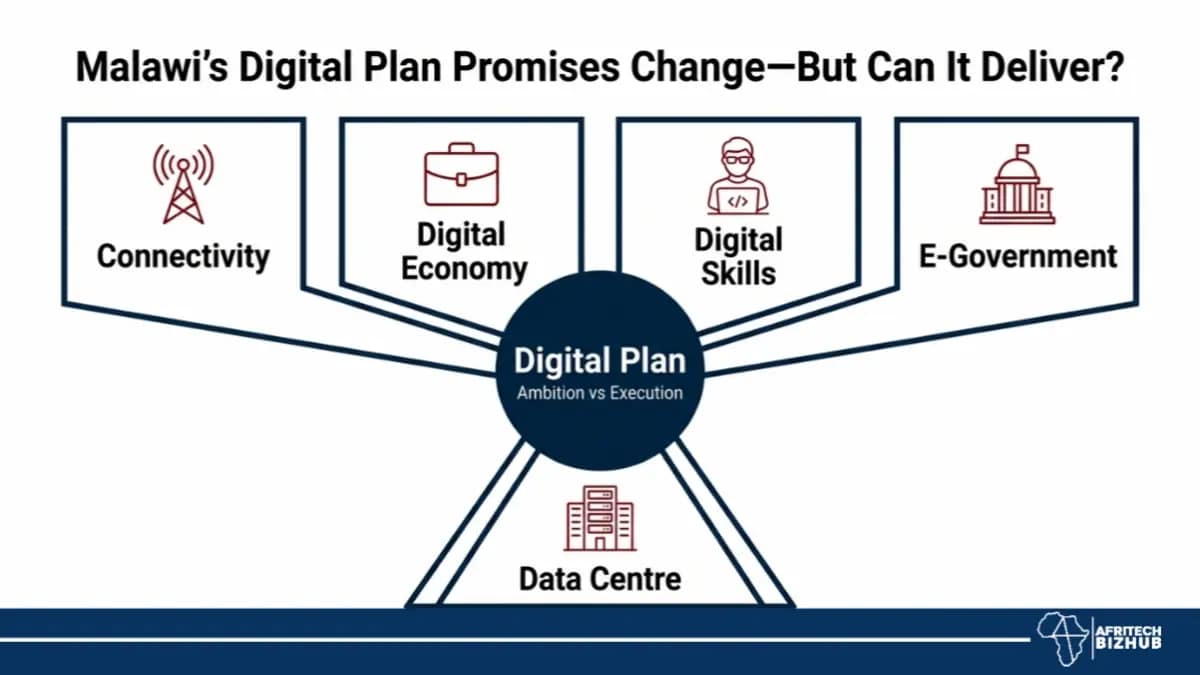
How Will Malawi’s Digital Plan Transform Connectivity?
Malawi has committed to expanding broadband networks, yet connectivity gaps remain stark.
Rural households continue to contend with limited electricity, low internet penetration, and high data costs.
Evidence from similar African initiatives shows that network rollout alone rarely guarantees meaningful access.
The digital plan outlines infrastructure expansions, but success hinges on overcoming affordability and distribution challenges.
Without targeted measures, urban areas may benefit while rural communities remain disconnected.
Execution, not policy, will determine whether Malawi’s digital plan truly transforms connectivity nationwide.
Can The Digital Economy Drive Faster Growth?
The Digital economy offers new revenue streams, efficiency gains, and innovation potential.
Malawi’s plan emphasizes digitalisation as a driver of economic growth, yet small business capacity, limited financial inclusion, and slow adoption of digital payments may constrain outcomes.
Policy signals intent, but actual economic acceleration will require integrated digital infrastructure, adoption incentives, and regulatory support.
The Digital economy can expand only if private-sector uptake, ecosystem readiness, and operational execution align with the plan’s ambitions.
Why Are Digital Skills Critical For Youth?
Malawi’s youth are central to digital expansion, but Digital skills shortages remain severe.
Competencies in coding, data analysis, cloud computing, and digital literacy are limited, while education programs struggle to match market demand.
Investments in infrastructure or digital platforms will underperform without a capable workforce.
The plan prioritizes Digital skills development, yet past initiatives across Africa demonstrate that infrastructure alone cannot deliver impact.
Digital skills and infrastructure must grow together to reach broad populations.
How Will E-Government Improve Public Service Delivery?
Digitized government services could reduce delays, improve transparency, and simplify citizen engagement.
Yet evidence from African countries shows that system integration, adoption, and institutional capacity often lag.
Malawi’s E-government objectives confront similar challenges.
Effective implementation, interdepartmental coordination, and citizen uptake will determine outcomes.
Without these, digital services risk remaining aspirational rather than transformative.
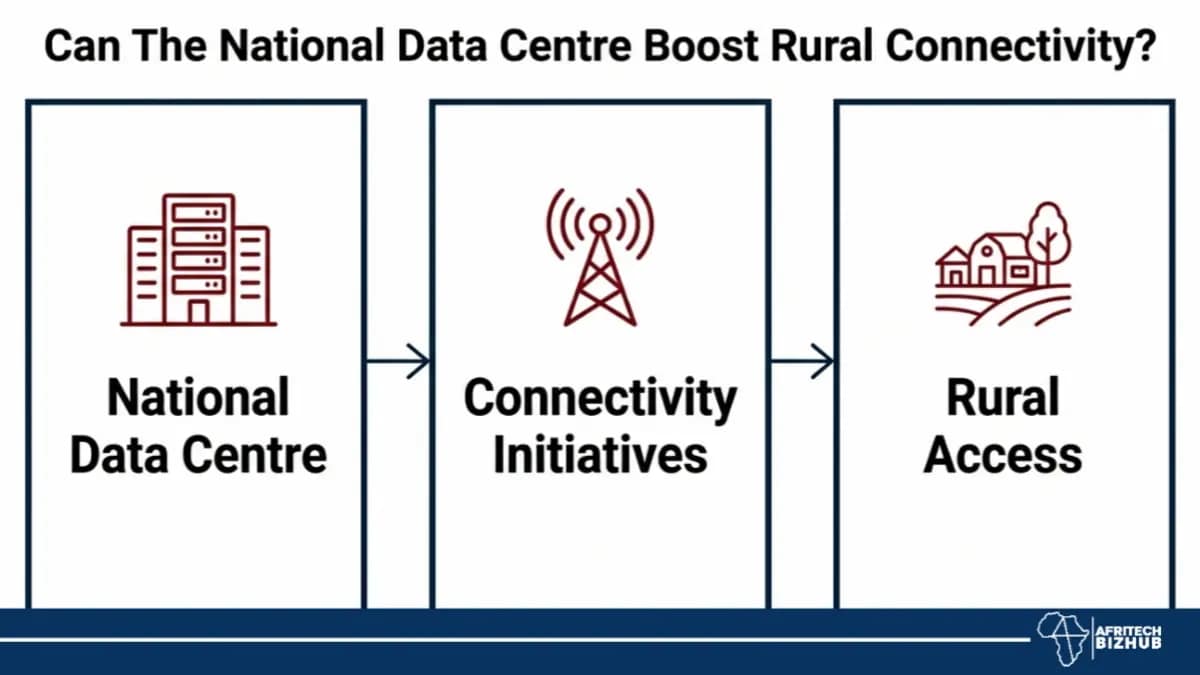
Can the National Data Centre Boost Rural Connectivity?
Malawi’s National data centre anchors the government’s digital infrastructure strategy.
It can support cloud computing, E-government services, and network resilience.
Rural connectivity remains limited by infrastructure gaps, low internet adoption, and high data costs.
Without last-mile solutions and affordability measures, rural populations may gain little from the data centre alone.
Strategic deployment alongside broader connectivity initiatives is critical to ensure digital services reach underserved communities and the full promise of the digital plan is realized.


Recent Comments