

Last updated: May 16, 2026
Kamoa-Kakula Phase 3 is ramping. Tenke Fungurume operations have stabilized. The DRC’s cobalt quota system remains active.
Featured Summary:
- DRC copper production is projected to approach 3.4 million tons as the Ivanhoe Mines Kamoa-Kakula Phase 3 expansion ramps output in the Democratic Republic of Congo.
- The Democratic Republic of Congo is expected to challenge Peru for the position of the world’s second-largest copper producer within the next production cycle.
- The Congolese government continues to regulate global cobalt supply through a national export quota system tied to copper-cobalt production.
- U.S. manufacturers sourcing cobalt from Congo are expanding responsible-sourcing oversight under the Responsible Minerals Initiative framework.
The Democratic Republic of the Congo is emerging as the fastest-growing force in global copper supply.
Output expansion at the Kamoa-Kakula copper complex — operated by Ivanhoe Mines with partners Zijin Mining and state miner Gécamines — is pushing national production toward levels that could challenge Peru for the position of the world’s second-largest copper producer behind Chile.
The shift concentrates a larger share of global copper supply inside a jurisdiction that has revised its mining code, tightened fiscal terms for resource extraction, and expanded policies encouraging mineral processing inside the country.
The mineral export policy behind this corridor is examined in Africa’s Critical Minerals Strategy 2026

What Is the 2026 Copper Production Forecast for the DRC
DRC copper production is rising sharply as large-scale Copperbelt mines ramp up output.
Growth at the Kamoa-Kakula copper complex and continued output from mines such as Tenke Fungurume are pushing national production toward levels that challenge the world’s largest copper producers.
Industry forecasts indicate that Congo’s copper supply will continue rising as expansion phases reach full capacity and previously constrained operations stabilize.
The trajectory places the country within reach of Peru in global production rankings, reinforcing the Democratic Republic of the Congo’s position as one of the most important sources of copper for electric-vehicle batteries, power infrastructure, and global energy-transition supply chains.
Will the DRC Overtake Peru as the World’s Second-Largest Copper Producer in 2026?
DRC copper production growth is being driven primarily by the expansion of the Kamoa-Kakula copper complex, operated by Ivanhoe Mines in partnership with Zijin Mining and state miner Gécamines.
As Phase 3 of the mine ramps toward full capacity, analysts expect Congo’s national output to approach levels that could challenge Peru for the position of the world’s second-largest copper producer behind Chile.
Whether that crossover occurs as early as 2026 depends on two variables: the speed of production growth in Congo and the stability of Peru’s mining sector.
The DRC’s output expansion includes major operations such as Tenke Fungurume Mine and the restart of projects like Mutanda Mine, while Peru’s production has faced periodic disruption at mines such as Las Bambas Mine.
Production data compiled by the United States Geological Survey and industry analysts indicates the gap between the two countries is narrowing rapidly.

Which Mines Are Driving DRC Copper Production Growth
Several large Copperbelt operations are responsible for the Democratic Republic of Congo’s rising copper output. The most significant is the Kamoa-Kakula copper complex, operated by Ivanhoe Mines with partners Zijin Mining and state miner Gécamines.
The project’s Phase 3 expansion increases processing capacity substantially and is expected to lift national production as the new concentrator reaches full scale.
Other major contributors include Tenke Fungurume Mine, operated by CMOC Group, and the Mutanda Mine, one of the world’s largest copper-cobalt deposits.
Together these operations form the core of the DRC’s expanding Copperbelt production base and explain why the country’s output is rising rapidly in global rankings.
Is DRC Copper and Cobalt Supply ESG-Compliant for U.S. Manufacturers?
Large-scale copper mines in the Democratic Republic of the Congo — including Kamoa-Kakula, Tenke Fungurume, and Mutanda — now account for the majority of DRC copper production and operate under international supply-chain auditing systems used by global technology and automotive companies.
These operations disclose environmental and governance performance in investor reporting and participate in certification frameworks such as the Responsible Minerals Initiative.
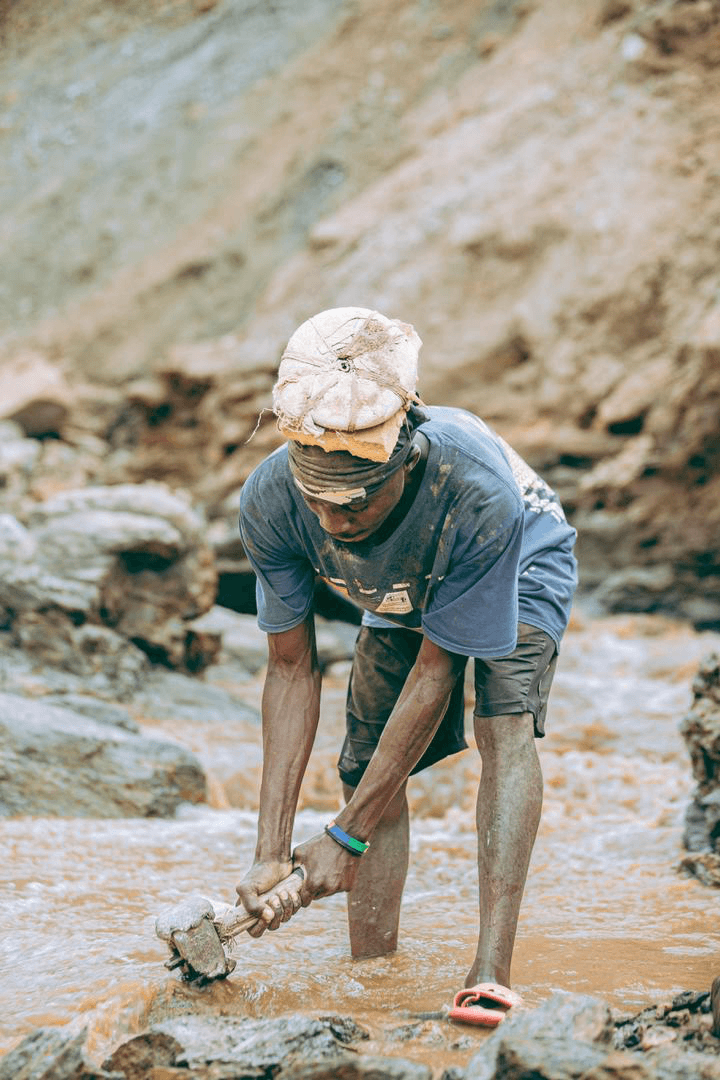
Compliance conditions are more complex outside large industrial mines. Artisanal mining still contributes to Congo’s cobalt supply, prompting the government to establish Entreprise Générale du Cobalt to channel small-scale production into regulated trading systems.
For manufacturers sourcing battery metals, the practical reality is clear: industrial output from Congo’s major copper and cobalt mines can meet international ESG standards, but supply-chain compliance ultimately depends on traceability from the mine to the smelter.
Export logistics for these minerals are examined in The Lobito Corridor’s 2026 Operational Reality.


Recent Comments