

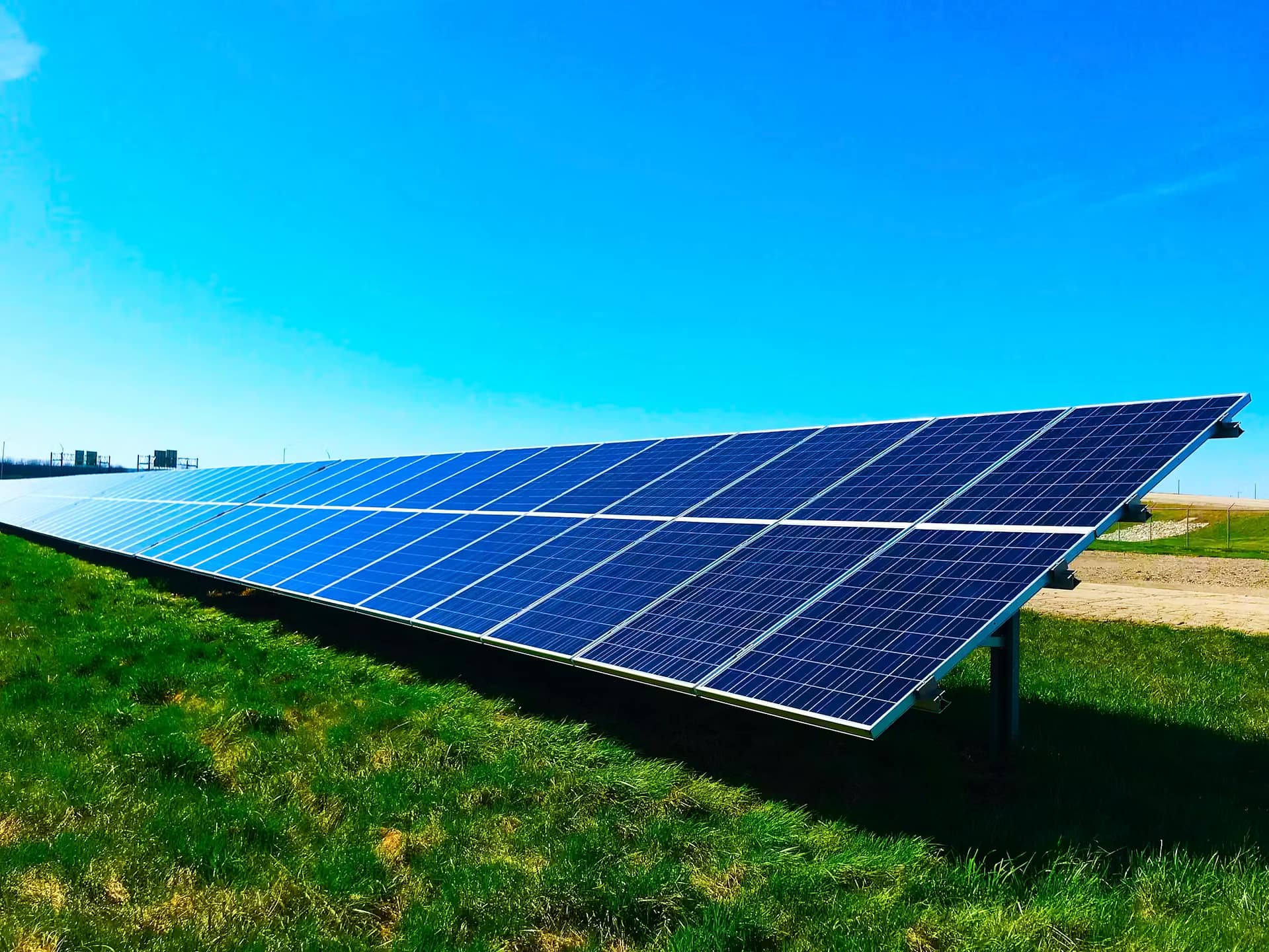
Private capital flows into solar deployment and electric mobility as Nigeria, Kenya, and South Africa absorb rising demand and import volumes.
Featured Summary:
- Solar investment in Africa is accelerating as grid pressure and fuel volatility drive immediate deployment.
- EV imports into Nigeria and Kenya are rising, led by electric motorcycles and commercial fleets.
- South Africa’s energy instability continues to push rooftop and industrial solar installation.
- Capital is flowing into deployment, logistics, and financing — not battery manufacturing.
Solar investment in Africa is accelerating in 2026 as power reliability becomes a balance-sheet issue rather than an environmental one, reinforcing structural shifts already visible in Africa’s broader digital economy transformation.
Deployment is scaling faster than industrial capacity, with imported panels and electric vehicles filling immediate supply gaps. The expansion is being driven by operating economics, not climate positioning.
Unlike Europe and Asia, where green transitions were built through subsidy and industrial policy, Africa’s surge is necessity-led. Grid instability, fuel import exposure, and urban logistics pressure are forcing capital into distributed solar and electric mobility.
Solar is scaling because downtime is expensive. EV imports are rising because fuel volatility compresses margins.
Solar Investment in Nigeria Gains Pace
Nigeria is emerging as Africa’s most immediate solar deployment market. Persistent grid shortfalls and generator dependence are forcing businesses and households to secure their own power. Energy reliability has shifted from public service to private responsibility.
Rooftop systems, mini-grids, and commercial solar financing are expanding across urban and peri-urban corridors. Capital is backing installers, distributors, and structured financing vehicles, not panel factories. The expansion is deployment-led and margin-driven.
Solar investment in Nigeria is advancing because power instability carries a cost. Reliability now commands a premium.
EV Imports Into Nigeria and Kenya Rise
Electric two-wheelers and light commercial EVs are entering Nigerian and Kenyan ports at increasing volumes, largely sourced from established Asian manufacturers. Local battery production remains offshore, and most units arrive fully built or semi-assembled.
In Kenya, electric motorcycles are gaining measurable traction in delivery and ride-hailing networks where fuel costs directly shape earnings.
In Nigeria, adoption remains early-stage, with pilot deployments and small-scale imports emerging as operators assess cost viability.
EV imports are rising ahead of domestic production capacity. Deployment is gradual, but directionally upward.
South Africa’s Energy Crisis Accelerates Solar Uptake
South Africa’s persistent power instability continues to drive rooftop and commercial solar installation. Ongoing load shedding has pushed businesses to secure independent power supply to limit operational disruption and revenue loss.
Commercial and industrial operators are leading deployment, with distributed solar increasingly integrated into long-term energy planning. For many firms, on-site generation has shifted from contingency to core infrastructure.
The pattern is consistent: where grid reliability weakens, private solar investment expands.
Core Issue — Import-Led Expansion Defines Phase One
Africa’s solar and electric vehicle expansion remains import-led. Solar modules, battery cells, and most finished EV units entering the continent are sourced from established global supply chains.
Local assembly operates in limited capacity. Core component manufacturing remains largely offshore.
Production scale and subsidy frameworks are concentrated in Asia, Europe, and parts of North America. Africa’s current value capture sits in installation, distribution, financing, fleet integration, and last-mile deployment.
Solar investment in Africa is expanding through deployment networks. Industrial production capacity has yet to follow.
Opportunity Layer — Where Capital Is Positioning
The clearest opportunity in 2026 is not in panel fabrication or battery chemistry. It is in deployment infrastructure, systems that convert energy instability into predictable cash flow.
Three positioning layers are emerging:
• Individuals: Rooftop solar adoption is shifting from lifestyle upgrade to cost control. Households are financing systems to reduce diesel dependence and stabilize monthly power expenses.
• Businesses: SMEs and logistics operators are integrating distributed solar and evaluating electric mobility to compress fuel exposure and protect operating margins. Energy is being treated as a controllable input, not a fixed risk.
• Investors: Capital is concentrating in installation networks, structured solar financing platforms, and fleet importation businesses, segments aligned with deployment growth and recurring revenue models, reflecting the same capital discipline now visible in money market allocations in Nigeria.
Solar investment in Africa is not attracting capital because it is fashionable. It is attracting capital because it converts volatility into margin protection.
Connecting the Dots — Global Capital, Local Deployment
Global capital is concentrating in deployable clean energy assets. The International Energy Agency reports that solar accounted for nearly three-quarters of new renewable capacity additions worldwide in 2023, confirming its dominance in new power generation.
BloombergNEF estimates global clean energy investment reached approximately $1.7 trillion in 2023, driven largely by deployment rather than new manufacturing geography. Capital is following installation speed and operating return.
Solar investment in Africa fits that pattern. Grid instability, fuel import exposure, and urban demand are pulling deployment forward even as production remains offshore.
The continent is integrating into global clean energy supply chains as a high-demand deployment market, not an industrial base. Green investment in Africa is expanding because it reduces operating risk, the same logic shaping capital allocation globally.
Solar Investment in Africa Sets the New Baseline
Solar investment in Africa is no longer a transition theme. It is operating infrastructure. Deployment is accelerating across Nigeria, Kenya, and South Africa as energy reliability becomes a commercial requirement rather than a policy objective.
Manufacturing scale remains offshore. Installation scale is not. Panels are landing. Fleets are integrating. Capital is positioning around deployment networks and recurring cash flow.
In 2026, solar investment in Africa is not a future bet. It is present-tense business logic.


Recent Comments