


Last updated: May 17, 2026
Featured Summary:
- Africa logistics faces mounting pressure as AfCFTA expansion and e-commerce growth push freight demand beyond transport capacity across the continent.
- High transport costs, congested ports, weak rail systems, and border delays are slowing trade growth across major African markets.
- Africa’s trade ambitions are accelerating. Logistics modernization is still lagging behind.
Africa’s trade ambitions are colliding with a logistics system that still struggles to move goods efficiently across borders, ports, and freight corridors.
As the African Continental Free Trade Area (AfCFTA) drives higher trade volumes and e-commerce expands across major markets, pressure is building on transport networks already strained by congested ports, weak rail systems, costly road freight, and chronic border delays.
Africa is pushing harder for regional trade integration, but the infrastructure needed to support that expansion is not moving at the same speed.
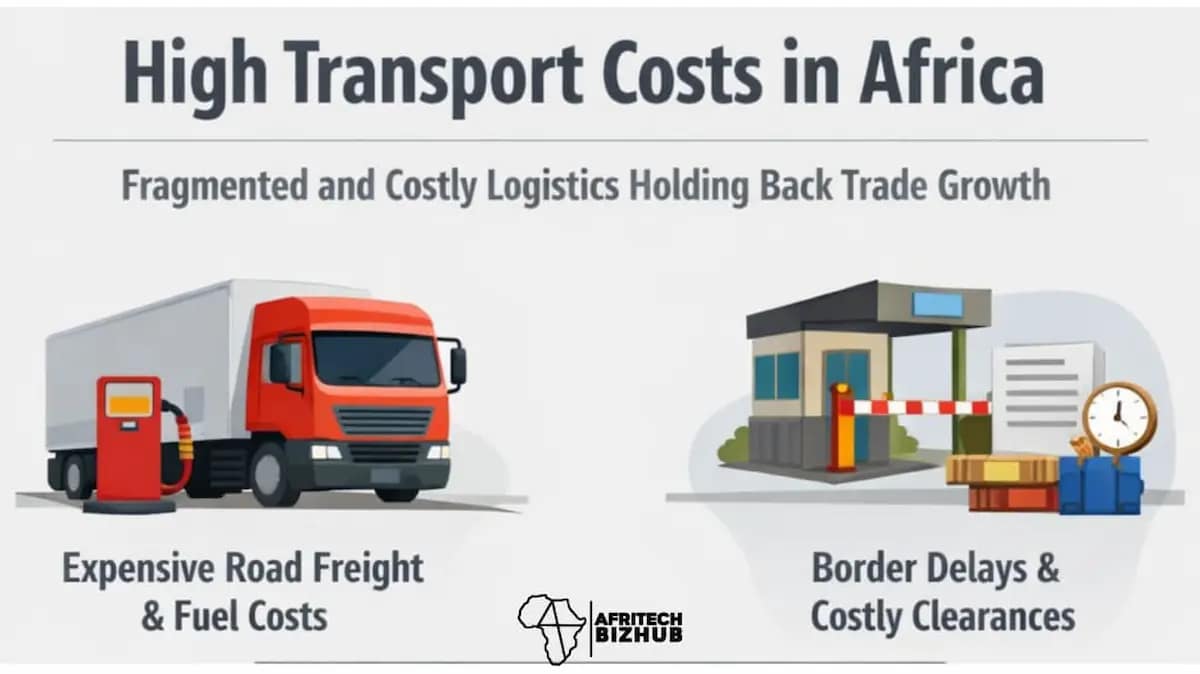
Why Africa’s Trade Boom Is Putting Logistics Systems Under Pressure
Africa’s trade expansion is moving faster than the continent’s logistics systems can handle.
Africa logistics networks are coming under heavier strain as the African Continental Free Trade Area (AfCFTA) pushes cross-border commerce higher and e-commerce platforms accelerate freight movement across major urban markets.
Ports remain congested, rail systems weak, and road freight costs among the highest globally.
Cargo movement is becoming slower and more expensive across major freight corridors linking ports, warehouses, and inland trade hubs.
Border delays continue to disrupt delivery timelines while overstretched transport networks increase costs for businesses already operating in difficult economic conditions.
Africa is pushing aggressively for deeper regional trade integration, but much of the infrastructure moving those goods still operates below the speed modern commerce now demands.
Africa cannot sustain faster regional trade growth while logistics systems remain fragmented, slow, and expensive. Trade demand is accelerating. Infrastructure is not.
Can Africa’s Roads, Ports, and Rail Networks Keep Up With AfCFTA?
Africa’s transport infrastructure is not keeping pace with the speed of regional trade expansion under the African Continental Free Trade Area (AfCFTA).
Freight movement across major trade corridors still depends heavily on expensive road transport while ports face cargo congestion and rail systems remain too limited to handle rising trade volumes efficiently.
Border delays continue to slow cargo movement across regional markets, increasing costs for businesses and weakening supply chains.
Africa logistics networks are carrying bigger trade expectations without the infrastructure capacity required to move goods faster and cheaper across the continent.
Ports are already absorbing heavier cargo volumes while freight corridors linking industrial zones and inland markets remain overstretched.
Road freight still carries most cargo movement across Africa because rail infrastructure remains too limited to absorb rising trade volumes efficiently.
Africa is accelerating regional trade integration while critical logistics infrastructure remains fragmented, costly, and under pressure.
Why High Transport Costs Still Threaten Trade Growth Across Africa
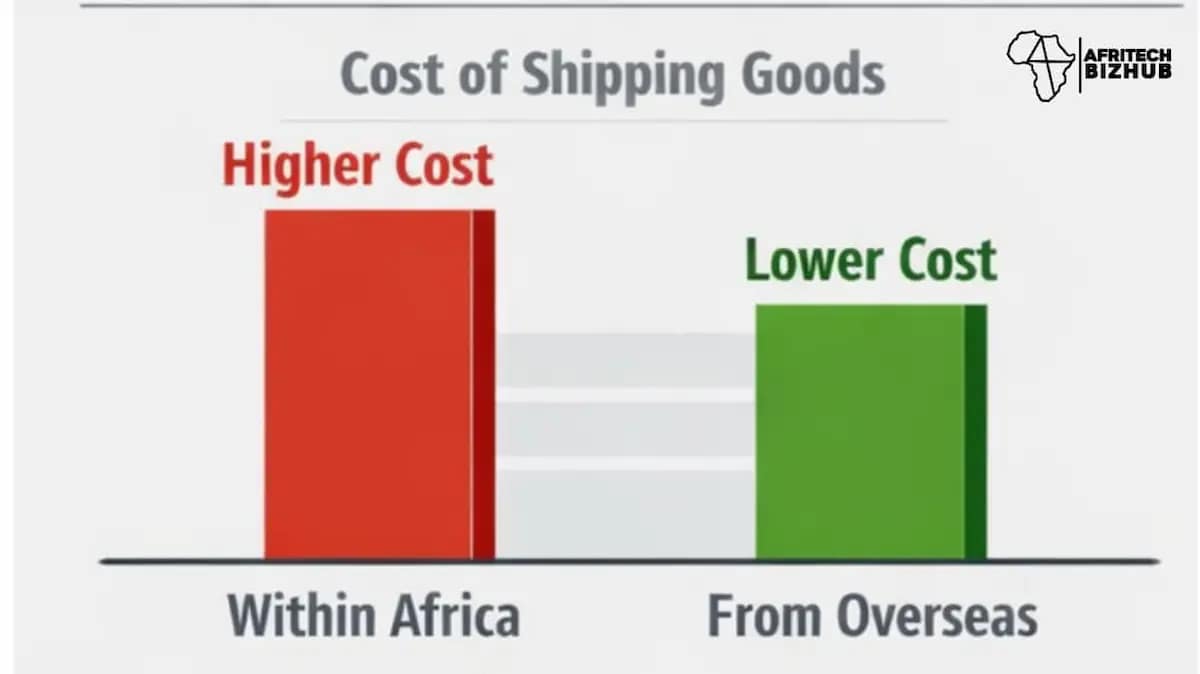
Moving goods across Africa remains one of the most expensive logistics operations in global trade despite rising momentum behind regional commerce and infrastructure investment.
Businesses trading across African markets still face costly road freight, fuel volatility, cargo delays, weak rail connectivity, and lengthy border clearance procedures that continue to increase the cost of doing business across the continent.
In several trade corridors, companies still spend more moving products between African countries than importing goods from overseas.
Africa logistics systems remain too fragmented and expensive to support faster regional trade at scale.
Regional supply chains are absorbing the economic cost of slower and more expensive freight movement across the continent.
Cargo delays continue to disrupt trade flows while inefficient transport systems increase operating costs for businesses moving goods across African markets.
Expensive logistics networks are also weakening the competitiveness of African products at a time when governments are pushing more aggressively for regional trade integration.
Africa’s trade ambitions are expanding aggressively. Logistics costs are still holding them back.
Why Are AfCFTA and E-Commerce Straining Africa Logistics?
AfCFTA expansion and rising e-commerce demand are placing heavier pressure on freight corridors, ports, warehouses, and delivery systems across African markets as cargo volumes rise faster than transport infrastructure can expand.
Logistics operators are under growing pressure to move goods faster across congested urban centers while businesses push for shorter delivery timelines and more reliable regional supply chains.
Port congestion, weak rail systems, overstretched freight corridors, and border delays are slowing cargo movement across major trade routes as Africa’s commercial activity accelerates.
The Africa Finance Corporation (AFC) warned in its 2026 infrastructure assessment that logistics bottlenecks and underdeveloped transport networks could limit the economic gains expected from AfCFTA and industrial expansion.
Africa’s trade economy is expanding faster than its freight systems can handle.
Can Africa Logistics Keep Pace With Rising Trade Demand?
Africa’s trade expansion is moving faster than the continent’s freight systems can handle.
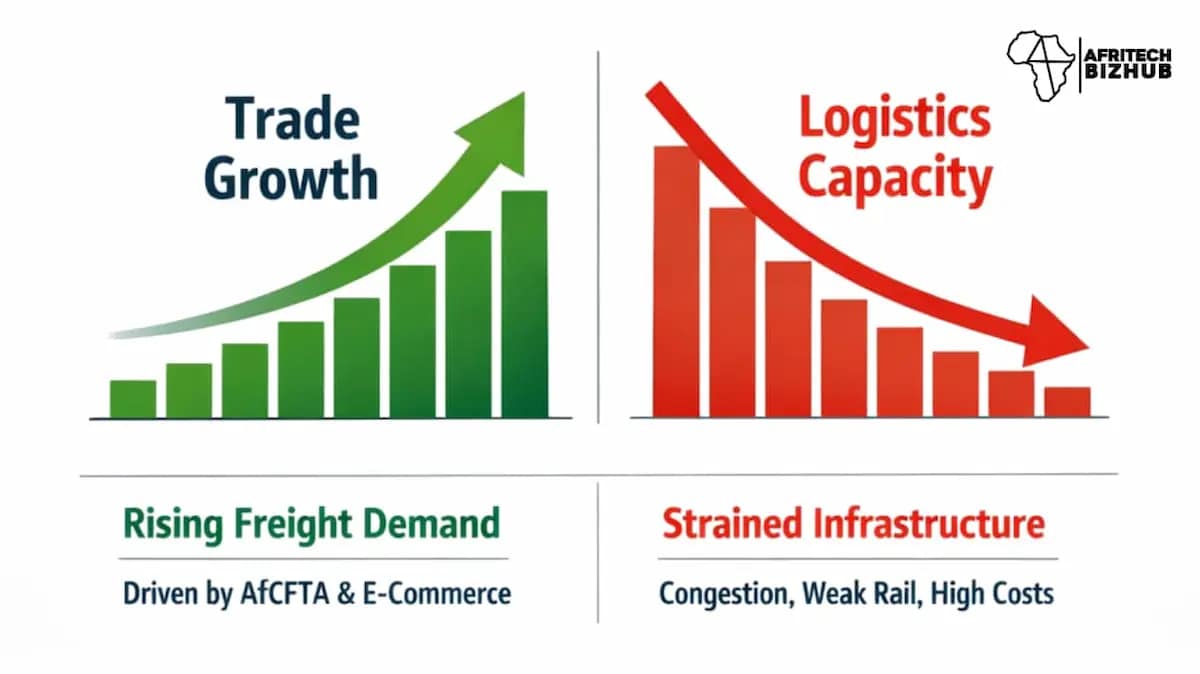
Cargo volumes are rising across major trade corridors as AfCFTA accelerates regional commerce, but ports remain congested, rail capacity limited, and road freight costs persistently high.
Africa logistics networks are now carrying heavier pressure without the infrastructure strength needed to support faster cross-border trade across multiple markets simultaneously.
The gap between trade demand and logistics capacity is becoming harder to ignore as governments push for deeper regional integration and faster commercial activity.
Freight delays, weak transport links, and expensive cargo movement continue slowing trade flows across major African corridors even as e-commerce and industrial expansion accelerate.
Africa’s trade ambitions are moving faster than its logistics modernization.


Recent Comments