

Last updated: February 13, 2026
Why capital never rotated to safety—and what the calm reveals about how markets really price risk
Featured Summary:
- The recent surge in volatility across forex market, crypto, equities, and commodities failed to produce a lasting shift in capital.
- No asset class emerged as a sustained safe haven.
- Price swings were driven by positioning and narrative shock, not structural fundamentals.
- The takeaway: stories moved markets briefly, liquidity ultimately set the direction.
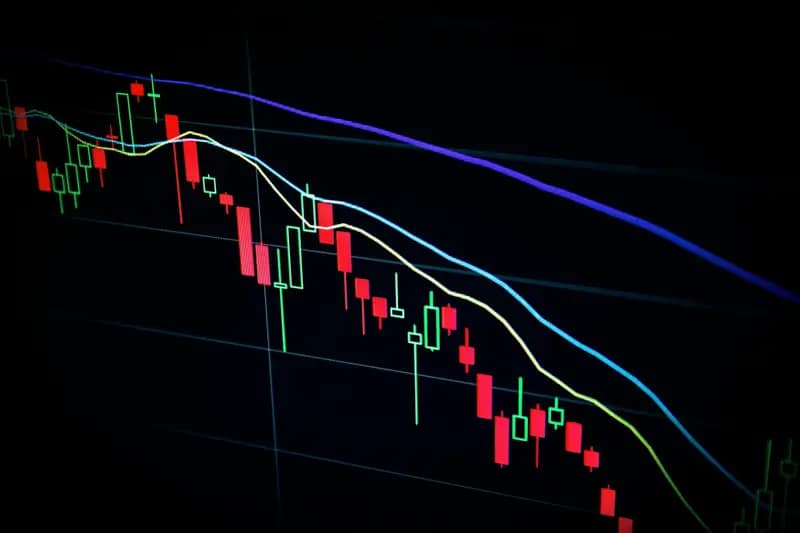
The latest bout of global market volatility drove sharp price swings across the forex market and other major asset classes without producing a durable shift in capital.
Risk-off narratives dominated headlines, but flows into traditional safe havens failed to materialise. Forex pairs, alongside Bitcoin, equities, gold, and silver, retraced as volatility eased, signalling exposure management rather than conviction.
This was not a resolution of fear, but a dissipation of pressure.
Noise peaked. Money didn’t move.
The Core Signal — No Flight, No Shelter
In genuine market stress, capital clusters. This time, it didn’t.
Gold and silver spiked briefly before reversing. Bitcoin edged higher but failed to draw sustained inflows. Major forex pairs slipped back into ranges as volatility faded.
The absence of follow-through confirms the core signal: investors did not treat the risk as systemic. When markets price real danger, capital moves decisively. Here, restraint prevailed.
A safe haven that attracts no capital isn’t a safe haven.
Why Fundamentals Failed to Lead
Market narratives intensified around geopolitics, fiscal threats, and political signals, but they produced no structural follow-through. There was no earnings shock, no liquidity disruption, and no policy break sufficient to reprice risk.
Markets reacted accordingly: prices adjusted to the headlines, then stabilised once the information proved non-consequential. This is a familiar pattern in late-volatility phases, where attention outpaces impact.
In forex market, fundamentals only matter when they force capital to reprice.
What Forex Traders Missed
Forex market absorbed much of the recent volatility and reflected the shift fastest. Major pairs including EURUSD and GBPUSD advanced briefly, then stalled as volatility eased. The pause signalled exposure management rather than a change in directional conviction.
The price action shows that institutions reduced risk without reallocating capital, leaving trend-based trades unsupported.
Forex market rewards clarity, not stories.
The Takeaway — How Markets Are Traded Now
The reset underscores a clear shift in market behaviour. Price action is increasingly shaped by positioning and liquidity, not by narrative momentum. Fundamentals continue to matter, but only when they redirect capital flows rather than sentiment.
For market participants, the implication is structural: price behaviour leads, headlines follow.
Markets don’t move on belief. They move on commitment.
Forex Market Reset — What the Data Confirms
The pullback in volatility confirms what current price action already showed: the noise lacked the force to move capital.
As headlines faded, the forex market and broader asset classes stabilised without triggering meaningful reallocations across currencies, commodities, or risk assets.
Positioning data from comparable volatility episodes shows speculative exposure across major forex pairs tends to remain largely unchanged when risk is being managed rather than redeployed, a pattern consistent with the current reset.
With volatility gauges retreating from recent highs and no evidence of fresh directional positioning, the move reflects mechanical adjustment, not conviction.
This was not the start of a new trend cycle. It was the market returning to assessment mode.
When capital stays still, the story is already over.


Recent Comments