


Last updated: May 17, 2026
Featured Summary:
- Electronic Transfer systems are rapidly reshaping African trade as PAPSS pushes banks and payment networks beyond slow dollar-dependent wire transfer systems.
- African businesses are demanding faster cross-border payments as high transfer costs and fragmented banking systems continue slowing continental trade.
- PAPSS expansion across Nigeria, Ghana, Kenya, and regional payment networks is weakening the dominance of traditional wire transfer infrastructure across Africa.
Africa’s trade payment system is beginning to move beyond slow dollar-dependent wire transfer networks as PAPSS expands local-currency electronic transfer corridors across the continent.
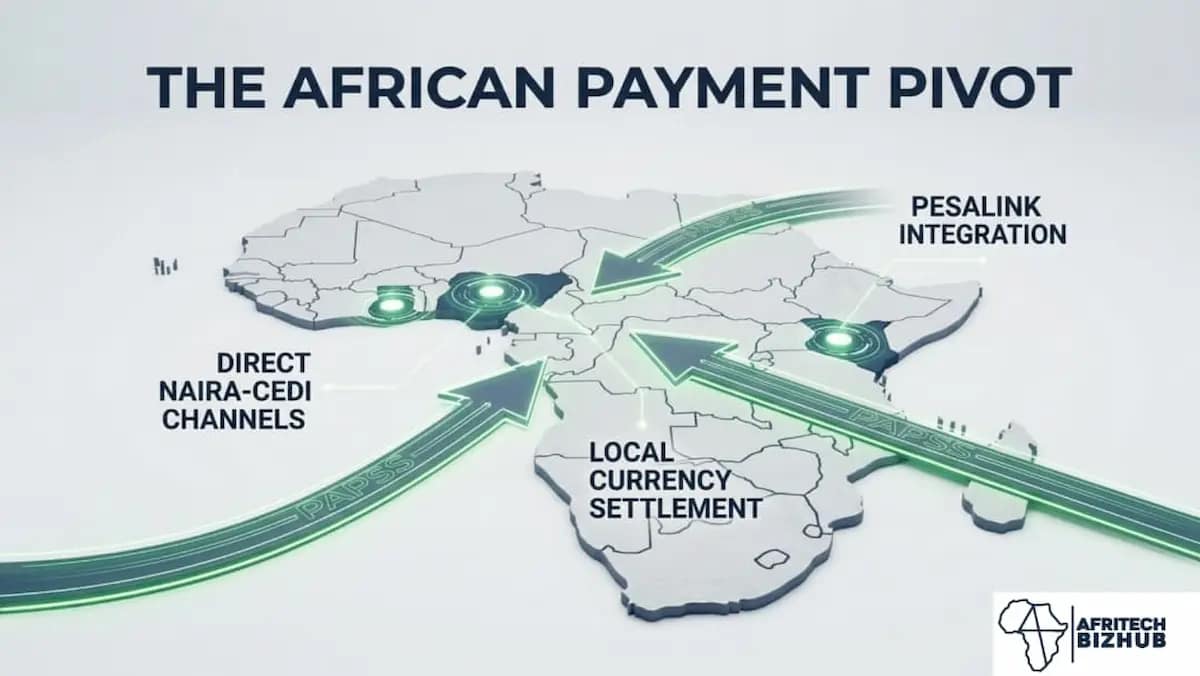
Nigeria-Ghana payment channels and Kenya’s Pesalink integration are accelerating faster cross-border settlement between African banks and payment networks as businesses push for cheaper regional trade transactions.
The shift is becoming operational infrastructure, not policy ambition. Africa’s financial system is finally starting to build the cross-border payment rails intra-African trade has lacked for decades.
Why Must African Banks Adopt PAPSS Electronic Transfer Standard?
African banks are coming under growing pressure to adopt faster Electronic Transfer systems as businesses across the continent demand cheaper and quicker cross-border payments.
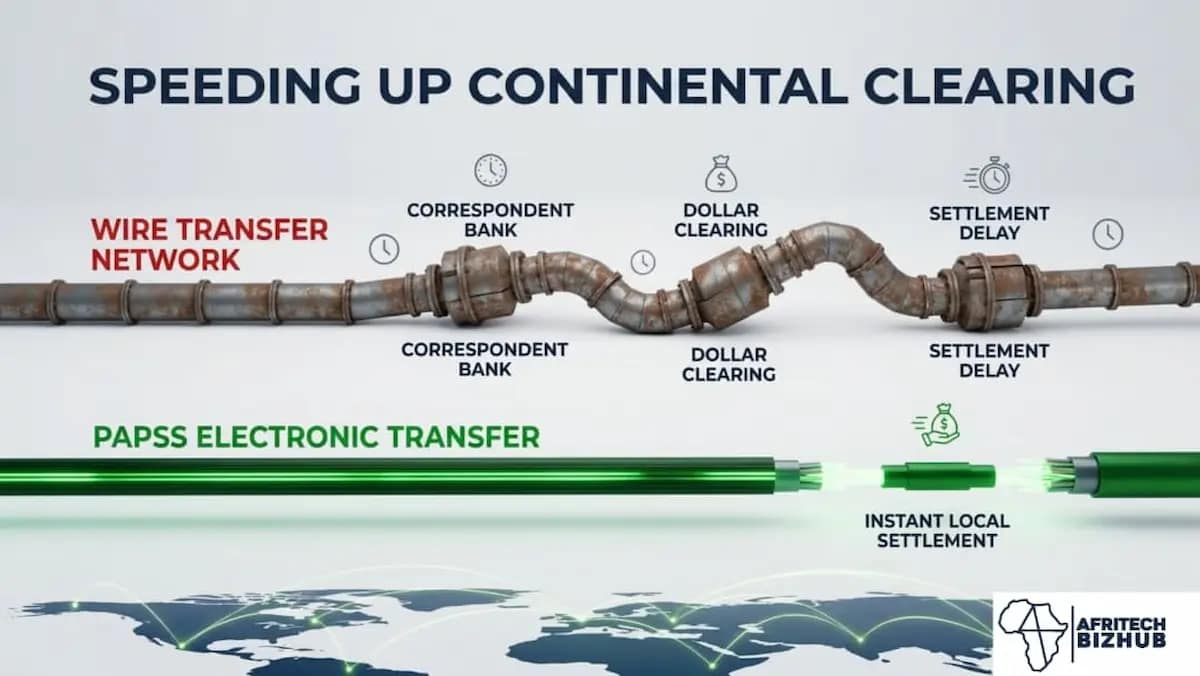
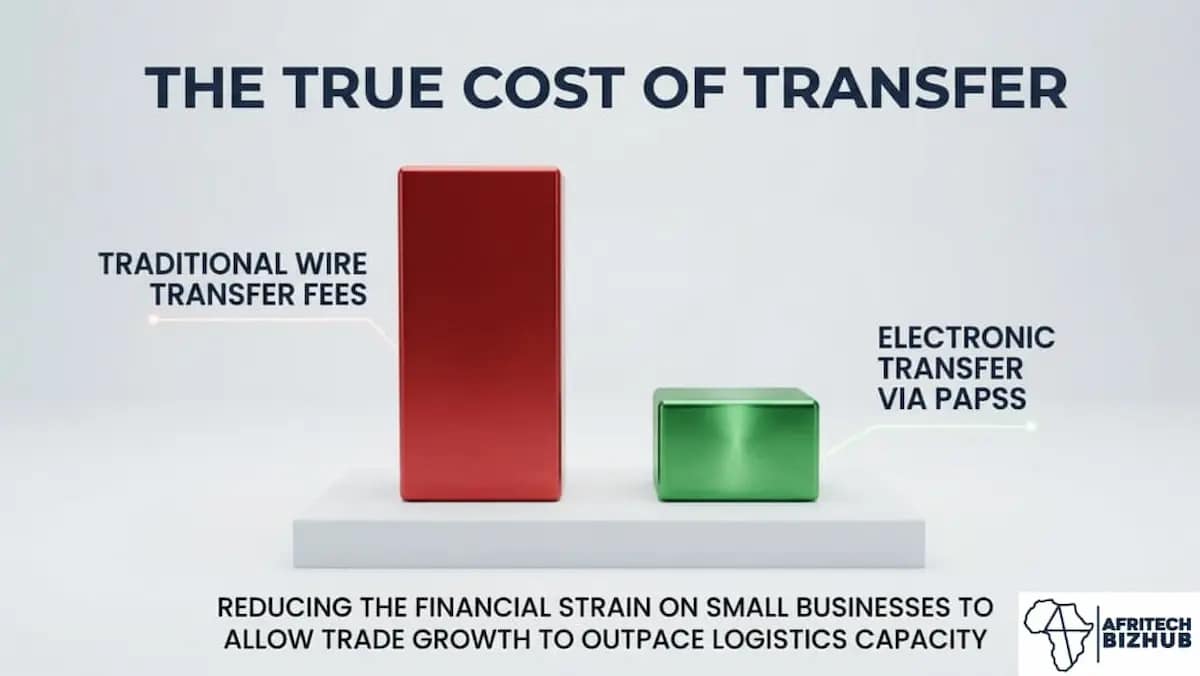
Traditional wire transfer infrastructure continues slowing African trade with high conversion costs, delayed settlement, and heavy dependence on dollar-clearing systems outside the continent.
PAPSS is now expanding local-currency payment corridors across multiple African markets, increasing pressure on banks still relying on older correspondent banking systems.
The shift is becoming a competitive issue, not just a technology upgrade.
Businesses moving money across African markets increasingly want instant settlement, lower transfer costs, and direct local-currency transactions without routing payments through foreign banking networks.
Banks delaying PAPSS integration risk losing transaction flows to fintech firms and regional payment networks already building faster cross-border clearing systems across Africa.
How Does International Money Transfer Secure Instant Continental Clearing?
International Money Transfer across African markets is beginning to bypass the slow correspondent banking structure that has long delayed cross-border trade settlement on the continent.
PAPSS is expanding Electronic Transfer infrastructure that allows participating banks to settle payments directly in local currencies instead of routing transactions through dollar-clearing networks outside Africa.
Intra-African trade has remained slower and more expensive for decades because African payment systems depended heavily on external settlement infrastructure.
PAPSS expansion across Nigeria, Ghana, Kenya, and regional payment networks is accelerating pressure on traditional Wire Transfer systems that still dominate African cross-border settlement.
Businesses trading across African markets increasingly want faster payment confirmation, lower transfer costs, and direct regional clearing without foreign currency conversion delays.
Africa’s payment infrastructure is finally beginning to build the integrated clearing system intra-African trade has lacked for decades.
Is the Conventional Wire Transfer Officially Dead for African SMEs?
Conventional Wire Transfer systems are losing ground across African trade corridors as SMEs push for faster settlement, lower transfer costs, and direct local-currency payments across regional markets.
Traditional correspondent banking structures continue slowing African business transactions with dollar conversion requirements, intermediary banking charges, and settlement delays that make intra-African trade unnecessarily expensive.
PAPSS says participating banks on its network can settle cross-border payments directly in local currencies without routing transactions through foreign correspondent banking systems.
PAPSS expansion across Nigeria, Ghana, Kenya, and regional payment networks is accelerating the shift away from older Wire Transfer infrastructure that has dominated African cross-border settlement for decades.
Businesses trading across African markets increasingly want instant payment confirmation and predictable settlement instead of waiting days for transactions to clear through external banking channels.
Africa’s payment system is beginning to build the regional clearing infrastructure conventional banking systems failed to deliver for years.
Can a Single Wire Transfer Network Finally Unify 54 African Markets?
No single Wire Transfer network can fully unify 54 African markets overnight, but PAPSS is beginning to dismantle one of the continent’s biggest trade barriers: fragmented cross-border payments.
African businesses still face delayed settlement, multiple currency conversions, high intermediary banking charges, and heavy dependence on foreign correspondent banks when moving money between neighboring markets.
That payment structure has slowed intra-African trade for decades while making transactions with Europe and the United States operationally easier than trade within Africa itself.
AfCFTA expansion is now increasing pressure on African banks and payment networks to build a faster continental clearing system around local-currency settlement instead of external dollar-routing infrastructure.
PAPSS integrations across Nigeria, Ghana, Kenya, and regional payment corridors are pushing African financial institutions toward direct cross-border settlement without relying heavily on foreign banking networks outside the continent.
Full continental integration remains uneven, but Africa’s payment system is entering its strongest push yet toward a unified regional clearing infrastructure.


Recent Comments