


Last updated: June 19, 2026
Featured Summary:
- Afreximbank Q1 2026 results show institutional strength and expose domestic financing weakness
- A $42 billion credit book reveals how much industrial financing still depends on one balance sheet
- African savings continue growing while productive deployment remains slow
- Africa’s financing constraint is becoming an allocation problem, not a capital problem
Afreximbank Q1 2026 results delivered numbers that would normally signal financial confidence. Net income rose 25% year-on-year to $268.9 million. Net interest income reached $510 million. Total credit exposure climbed to $42 billion.
The bank also introduced a $10 billion Gulf Crisis Response Programme to absorb external shocks across Africa and CARICOM economies. But the deeper story sits outside the earnings line.
One multilateral institution is increasingly carrying financing pressure that domestic markets, pension systems, and long-term capital pools should be absorbing more aggressively.
Afreximbank’s performance reflects execution. The scale of dependence behind it reflects something else.
Do Afreximbank Q1 2026 Results Reveal Capital Gap?
Strong earnings disguised a harder financing reality. Afreximbank Q1 2026 results show what disciplined capital deployment can achieve when institutions move decisively into trade, infrastructure, liquidity support, and industrial financing.
But the size of the balance sheet tells another story. A $42 billion credit exposure suggests demand for productive finance continues to exceed what domestic systems are supplying.
That matters because development finance institutions were never designed to become permanent substitutes for domestic capital formation.
Their role is to accelerate markets until local finance deepens.
Afreximbank is increasingly doing both jobs at once. The bank is proving that capital can move. Domestic systems are showing that they still hesitate.
What Do Afreximbank Net Income 2026 Signals?
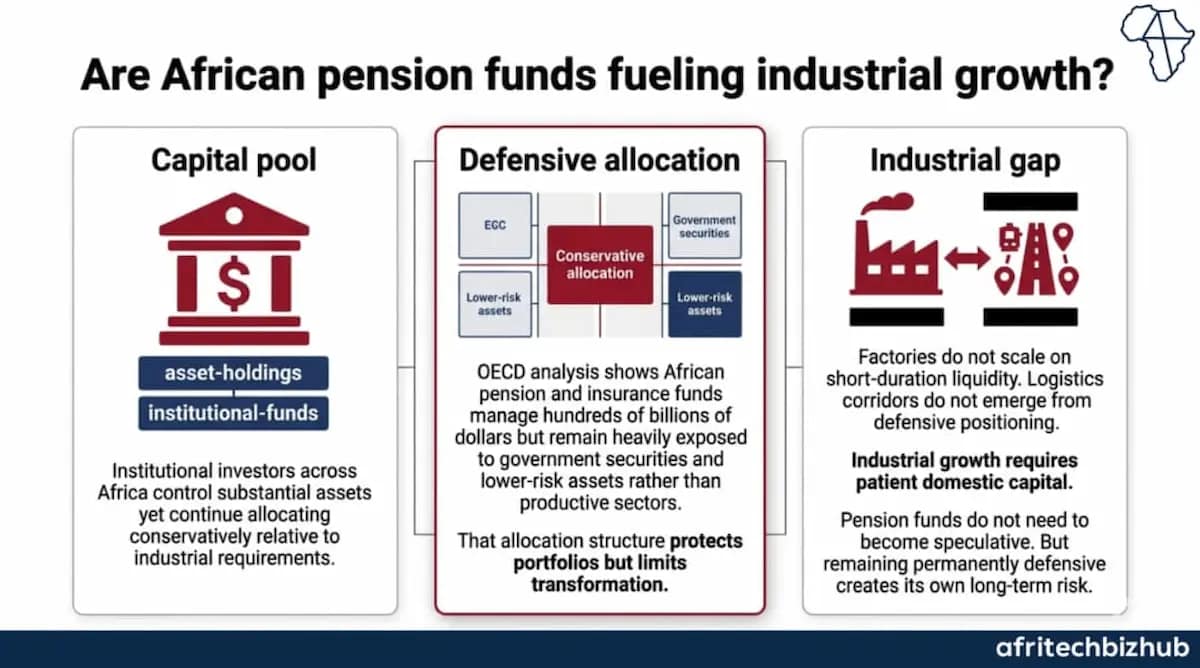
Profitability increased while financing pressure widened. Net income rose to $268.9 million because lending remained active, margins held, and demand for structured finance stayed elevated.
The result strengthens Afreximbank’s position as one of the continent’s most influential financial institutions. It also confirms that demand for long-term capital remains intense.
The launch of the $10 billion Gulf Crisis Response Programme pushes the point further.
Afreximbank is now expected to absorb disruptions linked to trade routes, energy markets, commodity volatility, and liquidity shocks.
When crisis financing repeatedly returns to the same institutions, it becomes difficult to argue that domestic capital markets are functioning at industrial scale.
Why is Africa Domestic Capital Still Paralysed?
Africa is not short of savings. It remains short of deployment.
The continent has accumulated pension assets, insurance capital, sovereign pools, and banking liquidity over time.
Yet industrial sectors continue competing for long-duration finance while financial assets remain concentrated in safer instruments and shorter investment horizons.
That caution became understandable after years of currency pressure, sovereign stress, and market volatility.
But caution became structure. Too much long-term money remains positioned to preserve value rather than create productive capacity.
Afreximbank Q1 2026 results expose that contradiction directly: capital exists, but industrial allocation remains weak.
Are African Pension Funds Fueling Industrial Growth?
Pension capital remains larger than its industrial footprint.
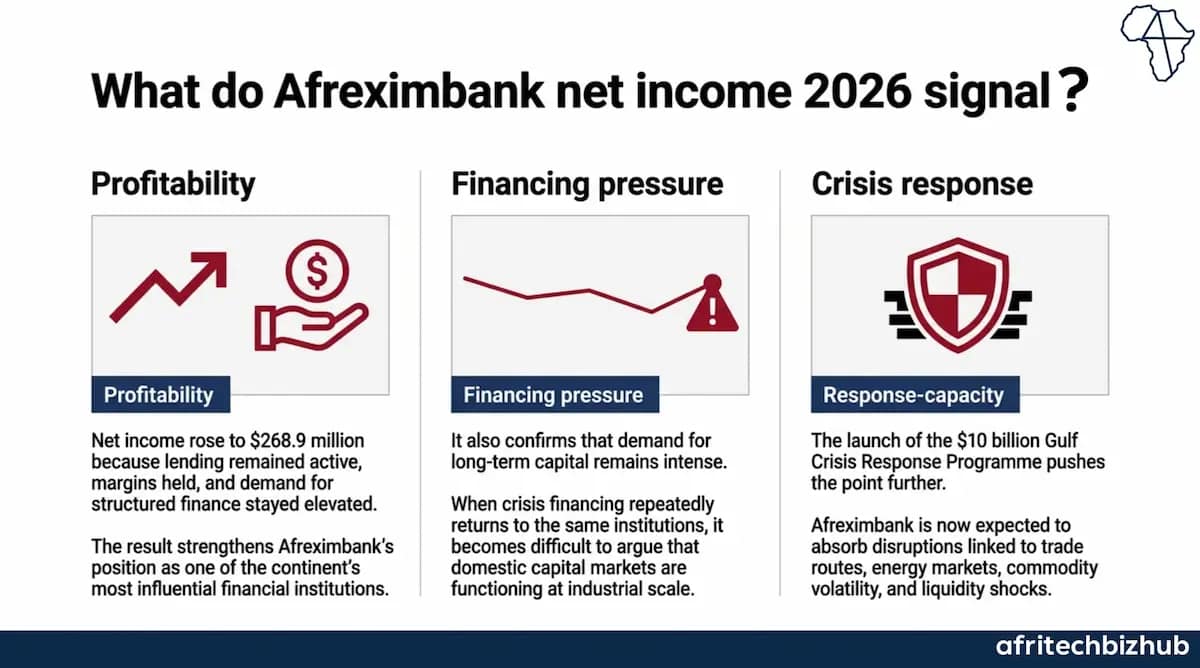
Institutional investors across Africa control substantial assets yet continue allocating conservatively relative to industrial requirements.
OECD analysis shows African pension and insurance funds manage hundreds of billions of dollars but remain heavily exposed to government securities and lower-risk assets rather than productive sectors.
That allocation structure protects portfolios but limits transformation.
Factories do not scale on short-duration liquidity. Logistics corridors do not emerge from defensive positioning. Industrial growth requires patient domestic capital.
Pension funds do not need to become speculative. But remaining permanently defensive creates its own long-term risk.
Is Africa Industrial Finance Falling Behind Expectations?
Industrial finance is losing pace against Africa’s economic ambition.
The continent continues to announce manufacturing strategies, industrial parks, export corridors, and infrastructure targets while productive financing remains concentrated in development institutions and external capital channels.
The mismatch is becoming visible.
Afreximbank Q1 2026 results should therefore be read beyond earnings growth.
The bank demonstrated that African institutions can deploy capital at scale and remain profitable.
The larger question is why more domestic capital still does not move with the same urgency.
Africa’s financing challenge is becoming less about finding money and more about forcing existing money into productive use.


Recent Comments