

Last updated: March 12, 2026
Petroleum products, cocoa and textiles remain key Nigerian exports entering the U.S. market duty-free under AGOA.
Featured Summary:
- Nigeria exports to the United States remain concentrated in petroleum shipments, even as AGOA provides duty-free access for agricultural and manufactured goods.
- Cocoa, sesame, apparel and other non-oil products qualify for duty-free entry into the U.S. market under AGOA trade rules.
- Energy exports still dominate Nigeria–U.S. trade flows, limiting the impact of duty-free access on broader export diversification.
- Future Nigeria exports to the U.S. will depend on whether non-oil sectors scale production under AGOA market access.
Trade between Africa and the United States has expanded under the African Growth and Opportunity Act, creating a duty-free export channel for several commodities entering the American market.
Within that trade flow, Nigeria exports to the United States generate billions annually, led by crude oil while agricultural products such as sesame, cocoa and cashew qualify for tariff-free access.

What Nigeria Exports to the United States
Nigeria exports to the United States have historically been led by crude oil shipments, though far more products qualify for duty-free entry under the African Growth and Opportunity Act.
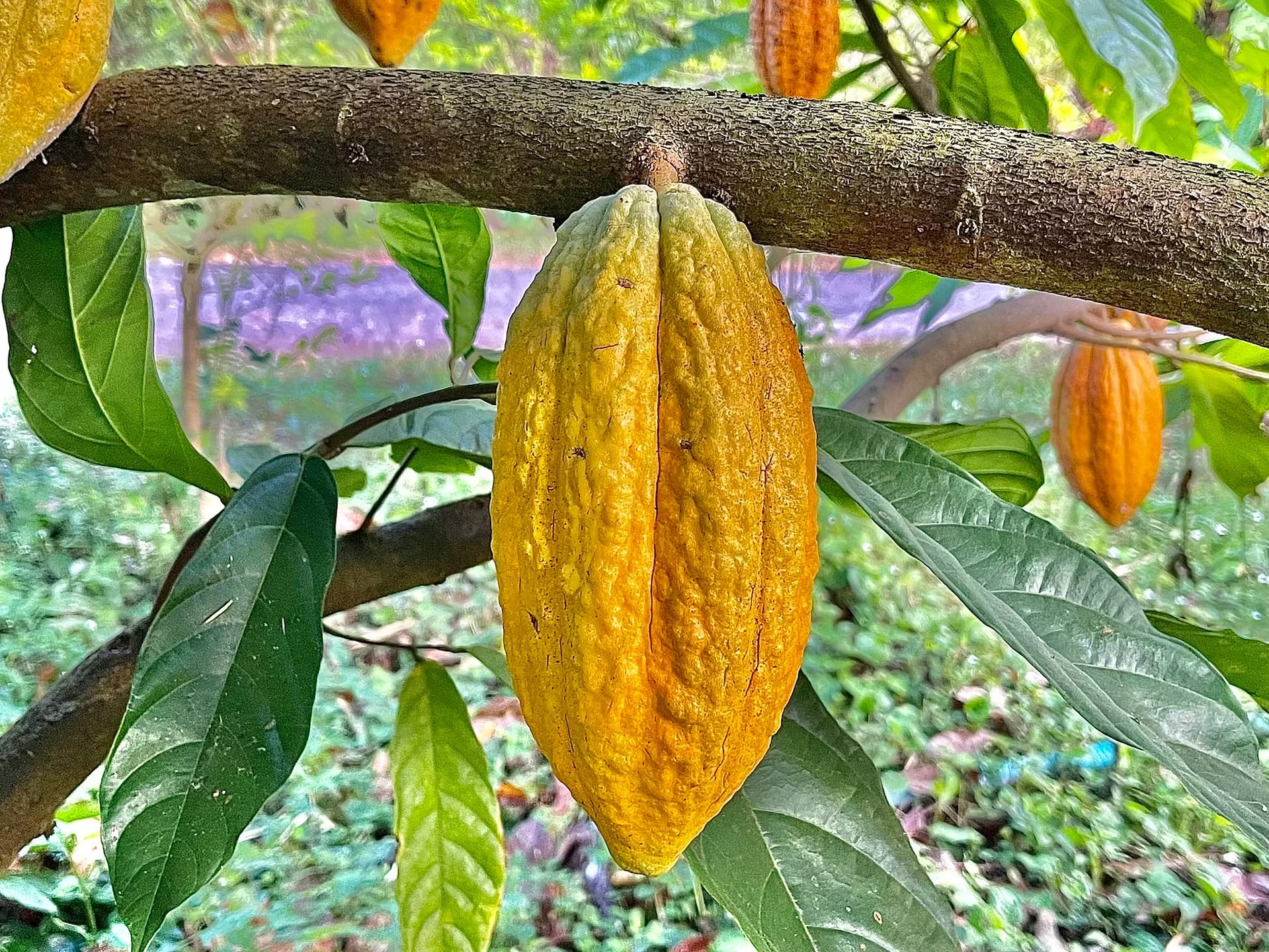
Several Nigerian agricultural commodities already enter the U.S. market without tariffs, including sesame seeds, cocoa, cashew nuts, shea butter, ginger and hibiscus. These products are widely traded globally and qualify for preferential access under AGOA.
Among them, sesame, shea butter and hibiscus stand out as under-scaled exports relative to international demand, positioning these commodities as some of the clearest entry points for Nigerian agricultural exporters seeking access to the U.S. market.
How Much Nigeria Exports to the United States
Trade between Africa and the United States has grown under the African Growth and Opportunity Act framework, which opened the American market to thousands of products from eligible African economies.
Over the past two decades, the program has supported billions of dollars in exports from the continent into the U.S.
Within that trade flow, Nigeria exports several billion dollars in goods to the United States each year, with U.S. data showing shipments reaching roughly $5–6 billion annually, largely driven by crude oil.
Beyond energy trade, Nigeria’s agricultural economy represents a significant portion of domestic output.
Agriculture contributes roughly a quarter of Nigeria’s GDP, highlighting the scale of production capacity that could expand the country’s share of non-oil exports entering the U.S. market.
Nigeria Exports Under AGOA
The African Growth and Opportunity Act provides duty-free access for a wide range of Nigerian goods entering the United States.
Despite that access, Nigeria’s export flows to the U.S. remain heavily concentrated in energy shipments, with agricultural and light manufacturing products accounting for a smaller share of bilateral trade.
Several commodities qualify for duty-free entry under AGOA, including sesame seeds, cocoa, cashew nuts, shea butter and hibiscus. These crops are widely traded in global commodity markets, yet Nigerian export volumes remain modest relative to international demand.
AGOA’s tariff structure places agricultural commodities among the most immediate channels for expanding Nigeria’s non-oil exports to the United States.
Nigerian Exports That Still Face U.S. Tariffs
Several Nigerian exports entering the United States trade under the standard U.S. tariff schedule rather than duty-free access.
These include processed cocoa products, leather goods, footwear, aluminum products and certain processed foods, sectors where Nigerian exporters compete in global consumer markets.
Trade data published by the Office of the United States Trade Representative shows U.S. imports from Nigeria reaching about $5–6 billion annually in recent years, with crude oil and petroleum products accounting for most of the value.
By comparison, only a much smaller portion of Nigeria’s exports enter the U.S. under the African Growth and Opportunity Act preferential framework.
The structure leaves a significant share of Nigeria’s manufactured and processed exports trading with the United States under normal tariff rules.
Nigeria Exports to the United States and Nigeria’s Non-Oil Export Strategy
Trade between Nigeria and the United States is largely driven by energy shipments handled through corporate and government channels.
Yet Nigeria exports to the United States are not limited to oil trade. Agricultural commodities such as sesame, cocoa, cashew, shea butter and hibiscus already enter the U.S. market, many of them qualifying for duty-free access under the African Growth and Opportunity Act.
Nigeria’s agricultural sector remains one of the country’s largest economic bases, with fertile production zones and established commodity supply chains.
Preferential access under AGOA places several of these crops within reach of the U.S. market, positioning agriculture among the most immediate channels through which Nigeria exports to the United States can expand beyond petroleum trade.


Recent Comments