

Featured Summary:
- Daystar Power is expanding industrial solar through Nestlé facilities in Côte d’Ivoire, Ghana, and Senegal.
- The 6.8MW rollout shows how West African factories are reducing grid risk, diesel dependence, and power-cost pressure.
- Solar industrial growth is becoming a competitiveness story, not only a climate story.
- Greenhouse emissions can fall when factories replace generator-heavy operations with hybrid solar systems.
West Africa’s energy transition is moving through factory roofs before it reaches national grids.
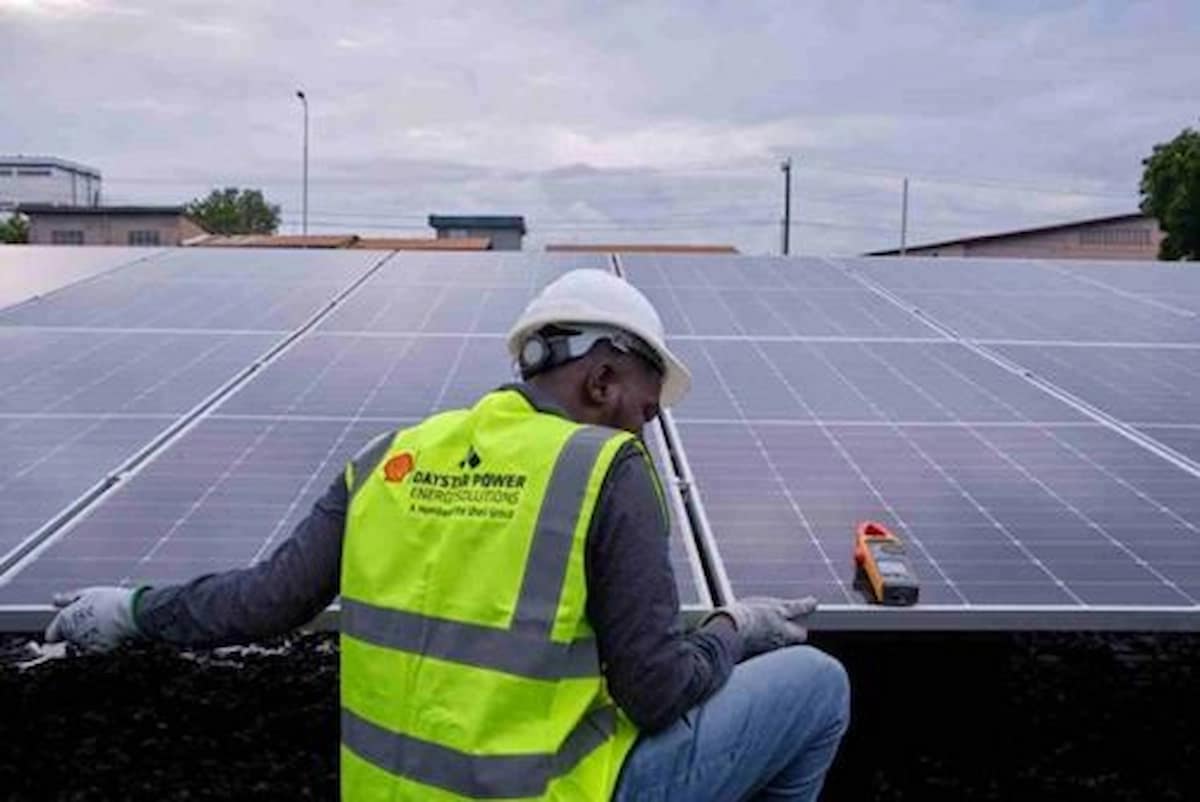
Daystar Power’s 6.884MW solar rollout for Nestlé across Côte d’Ivoire, Ghana, and Senegal shows how manufacturers are solving power risk site by site, instead of waiting for public electricity systems to become reliable.
The contradiction is clear: national grids remain under pressure, but industrial companies are already building cleaner, cheaper, and more predictable energy systems around them.
That is why Daystar Power’s expansion matters beyond one corporate partnership.
It points to a silent energy revolution driven by production needs, cost pressure, and the hard reality that factories cannot pause while power systems catch up.
How is Daystar Power Expanding Solar Reach?
Daystar Power is expanding through the part of the energy market where reliability has immediate economic value.
Factories, warehouses, food-processing plants, and industrial sites do not treat power as a policy debate.
They treat it as a production input that affects output, margins, cold storage, delivery timelines, and customer commitments.
That gives Daystar a clear opening: solar systems built around the operating rhythm of businesses that cannot afford downtime.
The Nestlé rollout gives that model regional weight.
The company’s installations now cover four manufacturing facilities across Côte d’Ivoire, Ghana, and Senegal, turning solar reach into a multi-country industrial platform rather than scattered rooftop adoption.
That matters because West African manufacturers often operate across markets with different grid conditions, regulations, and cost pressures.
Daystar Power is not selling solar as an abstract climate promise.
It is selling predictability to companies that need energy certainty to compete.
What Drives Solar Industrial Growth Across the West?
Solar industrial growth is being driven by the cost of unreliable power.
Across West Africa, manufacturers still face grid instability, diesel exposure, high backup costs, and production risks that weaken competitiveness.
Every outage can disrupt machines, storage, packaging, worker productivity, and supply chains.
Industrial solar reduces part of that pressure by giving companies more control over daytime energy consumption.
The shift is commercial before it is environmental.
Manufacturers are adopting solar because energy costs shape pricing, margins, export readiness, and operational resilience.
Diesel generators may protect production during outages, but they also add fuel costs, maintenance costs, noise, pollution, and emissions exposure.
Solar industrial systems give businesses a cleaner route to cost control.
That is why the Daystar-Nestlé partnership signals more than sustainability branding.
It shows industrial companies treating power reform as a private competitiveness strategy.
Can Renewable Energy in Africa Power Manufacturing on a Large Scale?
Renewable energy Africa becomes more credible when it is designed around industrial demand rather than presented as a stand-alone fix.
Factories need steady power across production cycles, weather changes, shift schedules, and peak load periods.
Solar can carry a larger role when it is combined with storage, grid supply, and backup systems that protect manufacturing from interruption.
The point is not that solar replaces every source overnight.
The point is that hybrid systems can reduce cost, diesel use, and grid dependence where energy demand is predictable.
Manufacturing gives solar a practical advantage.
Industrial users often know their consumption patterns, operating hours, machine loads, and cost thresholds, which makes it easier to design systems around real energy needs.
If more companies follow that model, renewable energy Africa can move from small-scale visibility into the core of industrial operations.
The next phase of the market will not be decided only by installed capacity.
It will be decided by whether solar can make factories more reliable, more competitive, and less exposed to power shocks.
Are Greenhouse Emissions Falling in West Africa?
Greenhouse emissions will fall fastest where cleaner power displaces diesel use at sites with steady energy demand.
West African factories have relied on generators because unreliable grids leave them little choice, but that dependence carries a cost in fuel, maintenance, pollution, and emissions.
Industrial solar does not remove every source of emissions, but it reduces the daytime load that often pushes businesses toward generator-heavy operations.
That makes commercial and industrial solar one of the most practical routes for lowering emissions inside the manufacturing economy.
The International Energy Agency’s World Energy Investment 2025 report says solar PV is now the least-cost source of power in many African countries, while private-sector clean energy investment in Africa rose from around US$17 billion in 2019 to almost US$40 billion in 2024.
Daystar Power’s Nestlé rollout shows how that investment shift looks at factory level: 6.884MW of installed capacity across four manufacturing sites in Côte d’Ivoire, Ghana, and Senegal.
The emissions story is not theoretical.
It begins when high-demand industrial sites shift more of their operations away from diesel and toward solar-backed power.
Why is Daystar Power Winning Nestlé Contracts?
Daystar Power is winning Nestlé contracts because major manufacturers need energy partners that can deliver across countries, not only install panels at isolated sites.
A food and beverage company cannot treat power reliability as an experiment when production, storage, quality control, safety standards, and distribution depend on consistent electricity.
Daystar’s value sits in its ability to design, install, operate, and manage solar systems for commercial and industrial clients across different West African markets.
The wider lesson is sharper. Africa’s energy revolution may not arrive first through dramatic national announcements.
It may arrive through factories quietly reducing diesel use, cutting power costs, improving uptime, and building cleaner production systems one site at a time.
Daystar Power sits at the intersection of reliability, sustainability, industrial growth, and cost discipline.
If more manufacturers follow this route, solar industrial systems could become one of the most practical ways to strengthen West African production while lowering greenhouse emissions over time.


Recent Comments