

Last updated: December 12, 2025
How COMESA’s Local-Currency Payments Platform Is Set to Transform Trade Across Africa
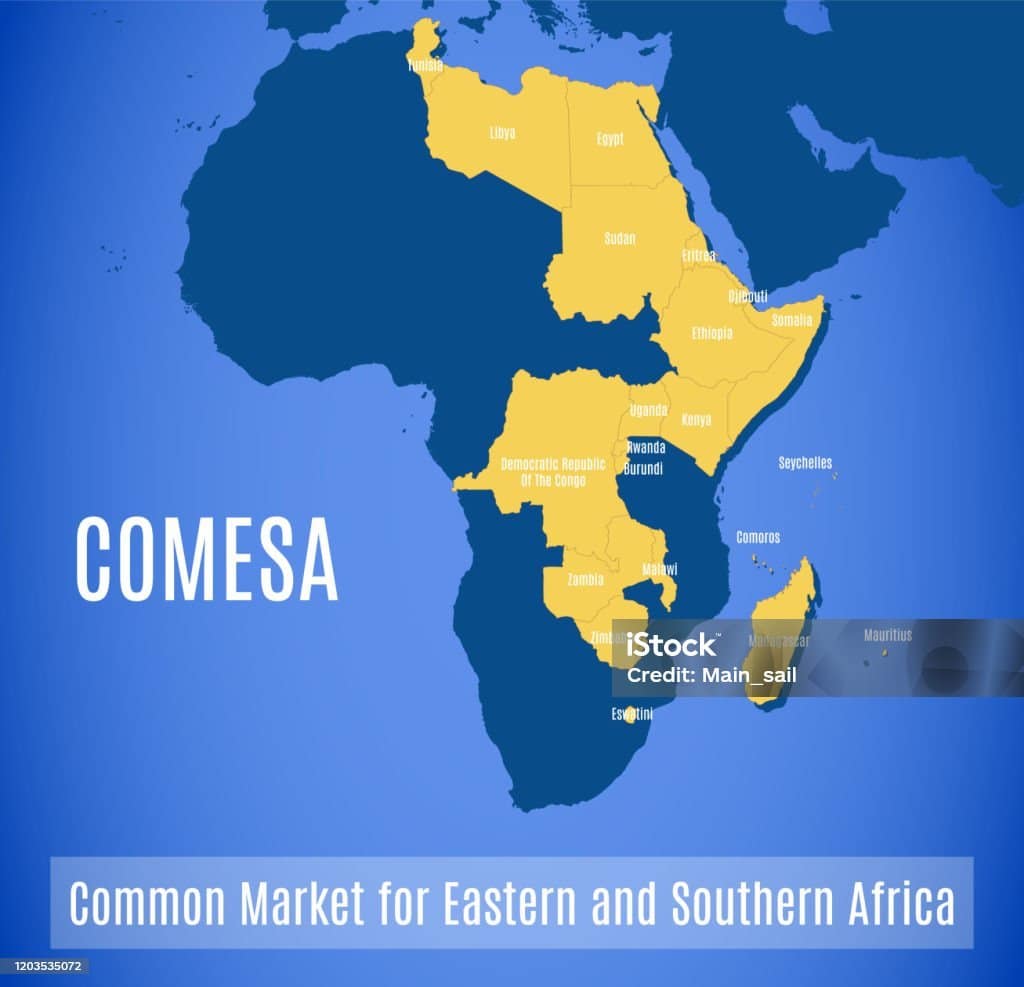
In 2025, the Common Market for Eastern and Southern Africa (COMESA) launched a groundbreaking Local-Currency Payments Platform, a digital system allowing traders to settle cross-border transactions in national currencies rather than the U.S. dollar. The move, hailed by African policymakers and global analysts, aims to tackle one of Africa’s biggest trade bottlenecks: high currency-conversion costs and dollar shortages. By enabling direct currency swaps among the 21-member bloc, the initiative could save African businesses millions in transaction fees and reduce reliance on volatile foreign exchange markets. As the platform gains traction, experts say it may not only reshape intra-African commerce but also position the continent as a leader in regional payment integration.
The Vision Behind COMESA’s Local-Currency Payments Platform
At its core, COMESA’s Local-Currency Payments Platform seeks to strengthen regional economic integration, a goal that has eluded many African blocs despite decades of trade agreements.
According to COMESA Secretary-General Chileshe Kapwepwe, the platform “marks a decisive step toward financial sovereignty for African markets.”
The initiative allows central banks within member states to connect their real-time gross settlement systems (RTGS) through a shared digital hub. This means that a Kenyan exporter selling goods to Zambia can now receive payment directly in Kenyan shillings, while the buyer pays in kwacha, all cleared within hours.
The system is built on the Pan-African Payment and Settlement System (PAPSS) framework, co-developed with Afreximbank, ensuring interoperability with other African regional blocs.
Reducing Dollar Dependency and Boosting Trade Liquidity
A 2025 African Development Bank (AfDB) report estimates that more than 70 percent of intra-African trade has historically been settled in foreign currencies, primarily the U.S. dollar. This dependence exposes African economies to exchange-rate volatility, dollar scarcity, and high conversion fees, issues that cripple small and medium-sized enterprises (SMEs).
The new COMESA’s Local-Currency Payments system directly addresses these concerns. By enabling transactions in domestic currencies, it reduces demand for hard currency reserves and helps stabilize regional exchange rates.
In an interview with Reuters Africa, Dr. Patrick Njoroge, former Central Bank of Kenya governor, noted:
“Reducing dollar reliance is not just about convenience; it’s about resilience. COMESA’s platform ensures liquidity stays within Africa, fuelling growth where it matters most.”
For many nations, this could also mean fewer trade delays, more predictable pricing, and stronger investor confidence.
Strengthening SME Competitiveness and Financial Inclusion
Small businesses stand to gain the most from COMESA’s Local-Currency Payments Platform. SMEs often struggle with cross-border payments because of limited access to correspondent banks or high intermediary costs.
With direct currency settlement, transaction costs could drop by 3–5 percent, according to Afreximbank’s 2025 projections. For an SME exporting $500,000 worth of goods annually, that’s a potential saving of up to $25,000, capital that can be reinvested in operations or technology upgrades.
Namibia’s Trade Minister Lucia Iipumbu told African Business in March 2025 that the system “levels the playing field for small exporters who were previously priced out of regional markets by banking inefficiencies.”
Additionally, the platform promotes financial inclusion by encouraging local fintech firms to build payment gateways and merchant tools connected to the system, expanding access beyond traditional banks.
Case Studies: Early Adopters Leading the Shift
By mid-2025, Kenya, Zambia, Uganda, and Mauritius were among the first to pilot the system.
In Kenya, Equity Bank and KCB Group reported a combined 30 percent increase in cross-border trade volumes after integrating COMESA’s platform with their digital banking apps. Transactions that previously required three to five days now clear within 24 hours.
Meanwhile, Zambia’s central bank revealed that exporters saved an estimated $12 million in forex fees within the first six months of adoption.
Mauritius, a key financial hub in the region, has leveraged the system to attract offshore investors interested in Africa’s growing e-commerce sector. Ramesh Seebaluck, CEO of the Mauritius Africa FinTech Hub, observed that “settling payments in local currencies removes a layer of friction for global investors looking to tap African opportunities.”
Regional Integration and the Path Ahead
The success of COMESA’s Local-Currency Payments Platform could inspire broader adoption across Africa’s regional blocs, including ECOWAS and SADC. The African Continental Free Trade Area (AfCFTA) Secretariat has already expressed interest in harmonizing similar mechanisms to ensure seamless inter-bloc transactions.
However, challenges remain. Currency volatility, cybersecurity risks, and uneven regulatory readiness across member states could slow down full-scale implementation.
According to Afreximbank President Benedict Oramah, “the long-term impact depends on policy alignment, countries must commit to harmonizing payment standards, capital controls, and anti-money-laundering rules.”
Despite these hurdles, the momentum is clear. The World Bank forecasts that if fully implemented, regional payment integration could increase intra-African trade by 20 percent and boost GDP growth by $40 billion annually by 2030.
Recent Data and 2025 Developments
- COMESA’s platform processed over $1.3 billion in its first quarter of 2025, according to Afreximbank data.
- Transaction settlement times have dropped from 48 hours to under 6 hours on average.
- Cross-border SME participation in regional trade within COMESA rose by 18 percent between 2024 and 2025.
- 20 percent reduction in average forex-related costs reported by pilot nations.
Conclusion
The launch of COMESA’s Local-Currency Payments Platform is more than a technical upgrade, it’s a symbol of Africa’s financial maturity and growing independence from external currencies. By improving liquidity, empowering SMEs, and fostering investor trust, COMESA is setting a model for regional collaboration in the digital-payments era.
As other blocs take note, this initiative may serve as a foundation for a unified African financial ecosystem. To stay updated on Africa’s evolving business, fintech, and trade landscape, follow Afritech Biz Hub, your trusted source for global insights on Africa’s economic transformation.


Recent Comments